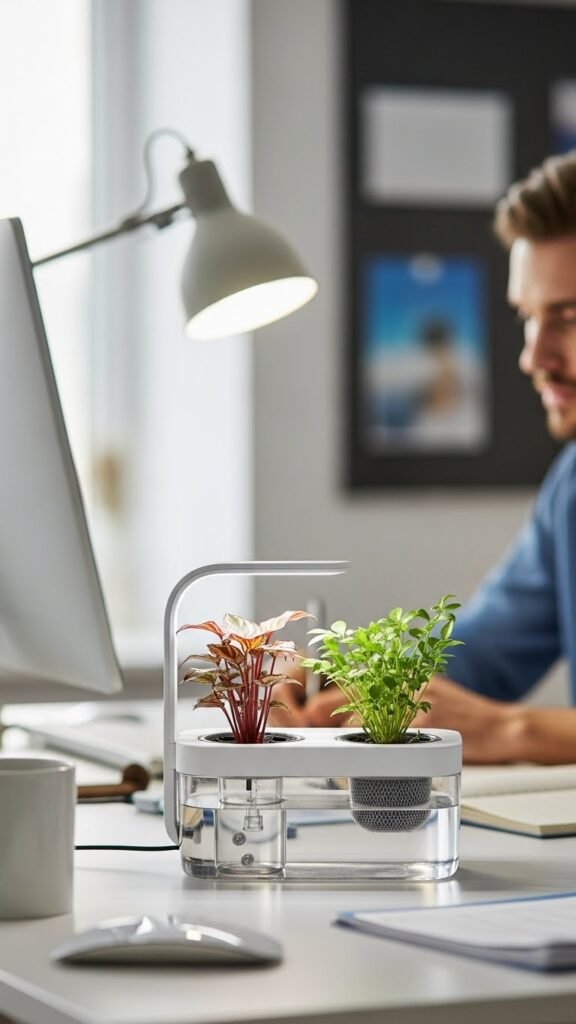
You’ll find easy, low-maintenance ways to keep plants hydrated without daily fuss, from simple bottle-wick pots to clever twin-chamber buckets and decorative glass wicking vases. Each design explains the reservoir, fill method and how to size wicks or holes for your plants, so you can pick what fits your space and travel plans. Keep scrolling to match a project to your skill level and watering needs — the right build might surprise you.
Upcycled Plastic Tub Reservoir Planter
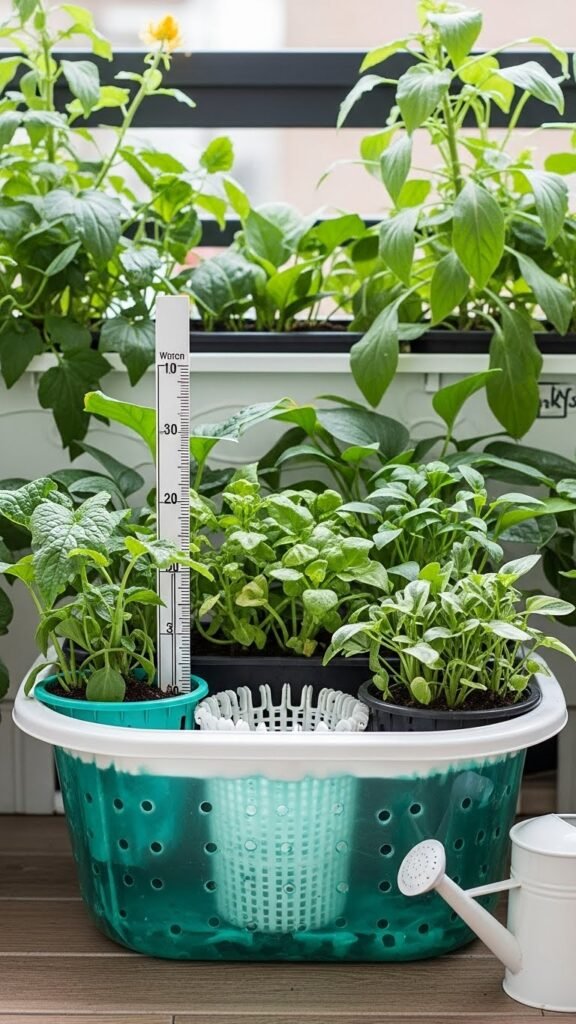
If you’re looking for a simple, low-cost self-watering solution, an upcycled plastic tub reservoir planter is a great place to start.
You’ll cut drainage holes, add a wicking basket, and customize for upcycled aesthetics that suit your space. Fill and monitor water levels regularly; reservoir maintenance is minimal but essential.
This setup frees you from daily watering while keeping plants healthy.
PVC Fill-Tube Herb Box
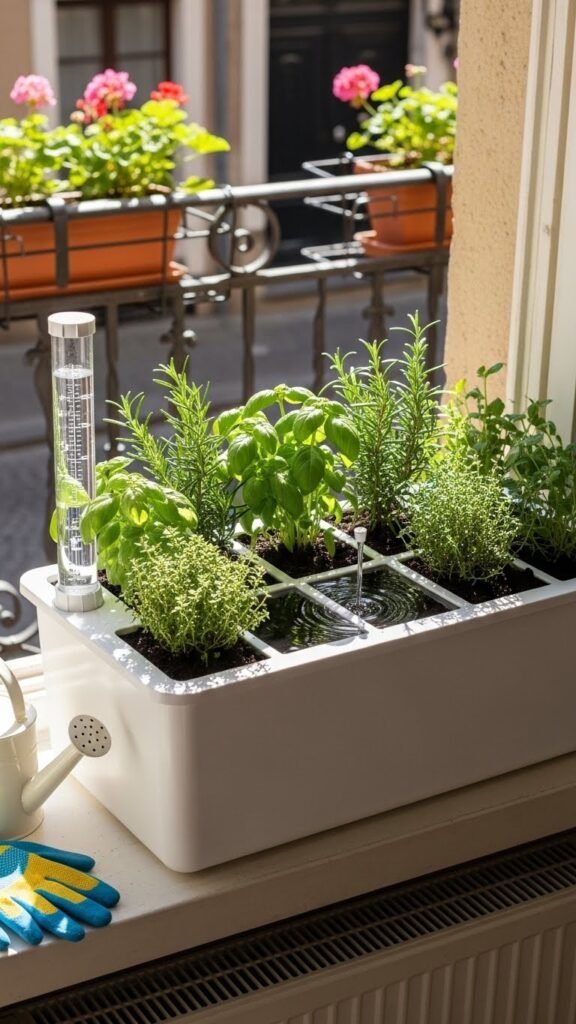
Build a PVC fill-tube herb box to give your herbs a tidy, low-effort watering system that fits a windowsill or balcony. You’ll cut a small reservoir, insert a PVC fill tube for easy top-up, and add wicking soil or fabric. Plant herbs above the reservoir, seal edges, and enjoy reliable moisture. It’s compact, low-maintenance, and lets you garden on your terms.
Solo Cup Double-Wick System
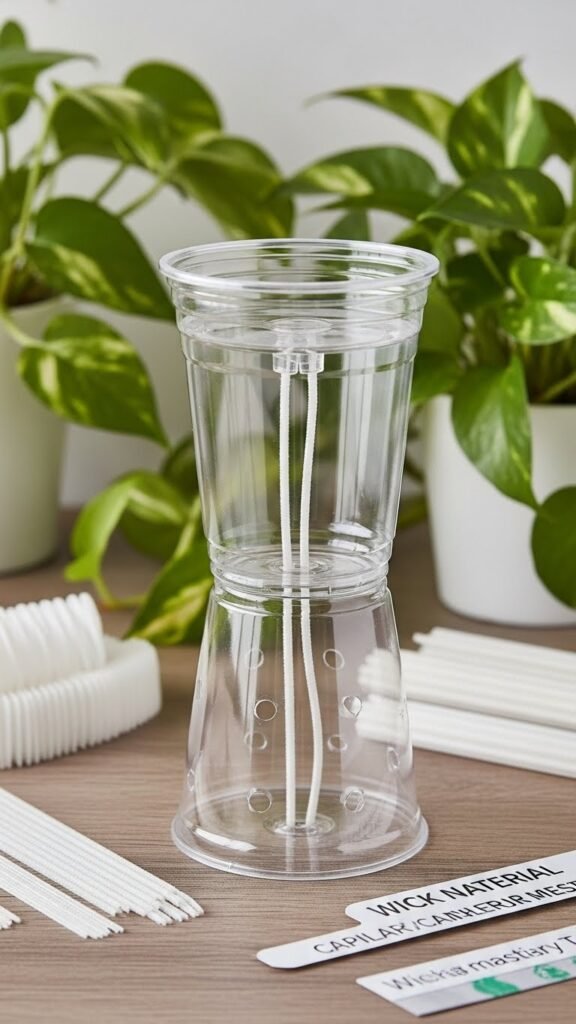
Try a simple double-wick setup using two solo cups to give thirsty plants more reliable, tunable moisture. You’ll cut holes, nest one cup as a reservoir, and run two wicks through the base. Do capillary testing with different wick materials to dial flow rate. It’s cheap, repairable, and lets you control watering frequency so your plants stay happy while you roam.
Elevated Hardware-Cloth False Bottom Planter
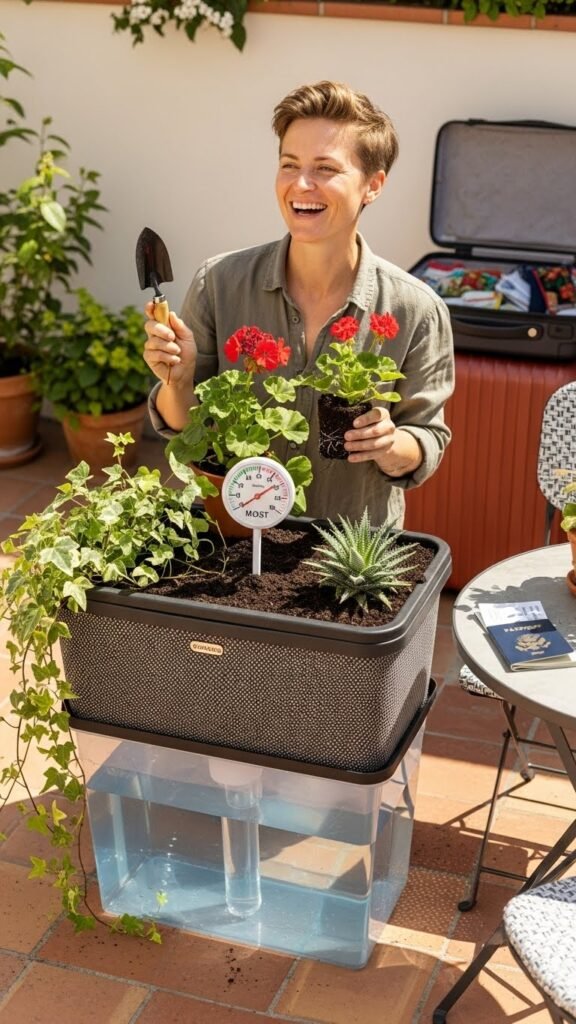
Elevate your potting mix above standing water by installing a hardware-cloth false bottom—an inexpensive, durable way to improve drainage and prevent root rot in larger containers.
You’ll cut and fit wire mesh to create a raised drain platform, leaving a water reservoir below. Check levels with a moisture gauge, adjust reservoir depth, and enjoy a low-maintenance system that frees you to travel and experiment confidently.
Inverted Mason Jar Drip Planter

If you want a compact, low-cost self-watering solution for small pots or indoor herbs, an inverted Mason jar drip planter makes a great starter project: flip a clean jar, fit a small wick or perforated cap, and let gravity feed water slowly into the soil below.
You’ll master mason jar inversion and simple drip rate calibration, adjusting wick thickness to control flow and freedom.
Decorative Glass Globe Wicking Vase
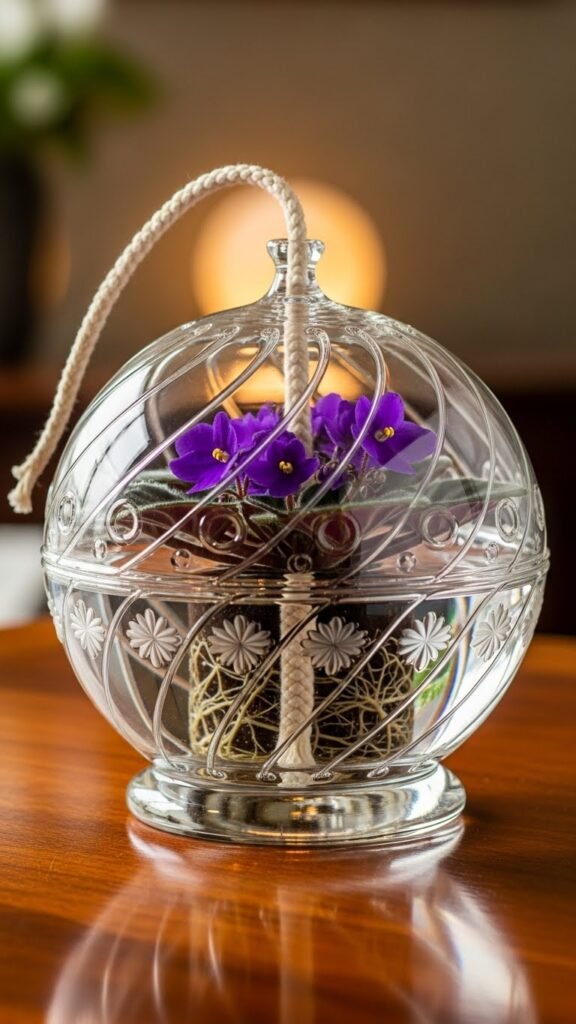
A decorative glass globe wicking vase gives you a stylish, self-watering display that’s perfect for single-stem plants or small cuttings; its suspended reservoir and fabric wick quietly deliver just the right amount of moisture to the root zone.
You’ll enjoy glass aesthetics and freedom to travel while the wick handles capillary maintenance. Fill reservoir, trim wick ends, and check water weekly.
Twin-Wall Pipe Vegetable Bucket
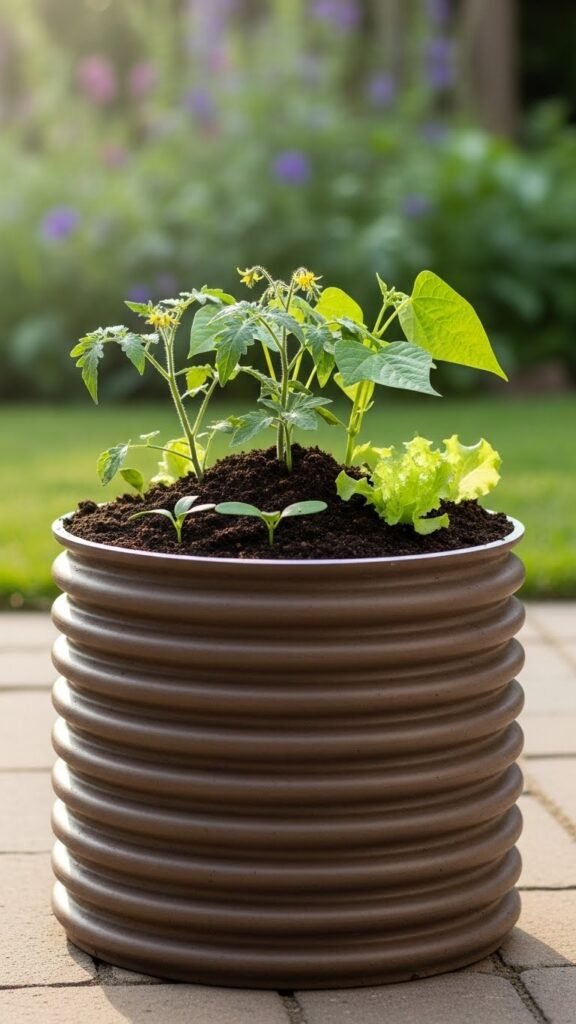
Moving from a delicate glass globe to something rugged and highly productive, the twin-wall pipe vegetable bucket gives you compact, vertical growing with built-in self-watering.
You’ll assemble a dual chamber—reservoir below, soil above—and insert a capillary wick to draw moisture steadily.
It saves water, frees you from daily watering, and fits small spaces, so you can grow vegetables with confident, low-maintenance freedom.
Copper Pipe Micro-Irrigation Planter

Tap into precision watering with a copper pipe micro-irrigation planter that gives you durable, controllable moisture delivery for compact garden beds and containers.
You’ll cut custom emitters, route lines to root zones, and tune flow dynamics for even distribution.
Monitor copper corrosion, pause watering to flush salts, and enjoy a low-profile system that frees you from daily watering while keeping plants thriving.
Layered Rocks and Fabric Reservoir Bowl
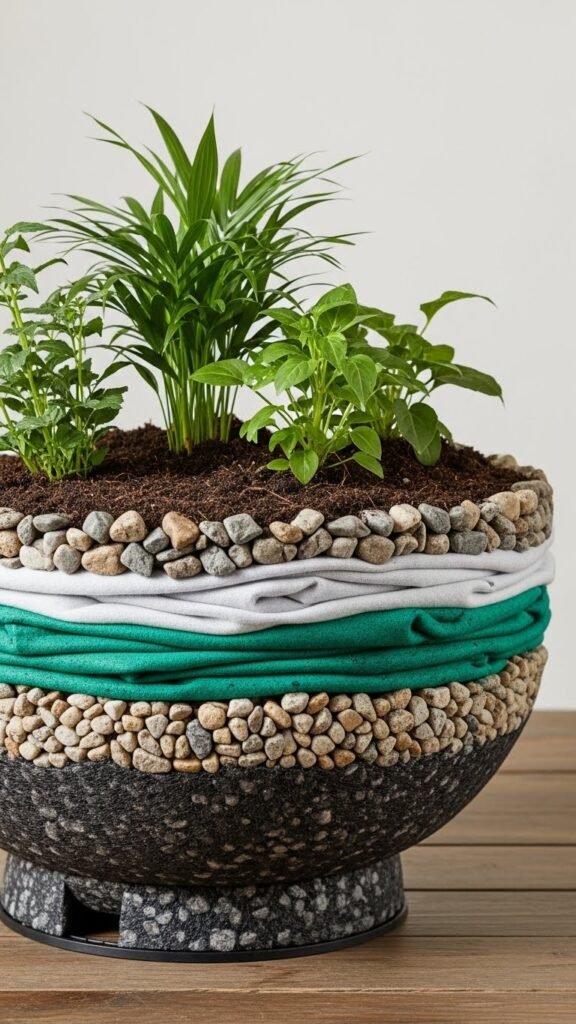
Starting with a sturdy base, you’ll build a layered rocks and fabric reservoir bowl that stores water below the root zone while keeping soil aerated above. Layer coarse stones as a rock filter, add folded breathable fabric reservoir to separate moisture, then top with soil and plants. You’ll control watering, reduce maintenance, and free yourself to enjoy thriving, low-fuss greenery.
Cozy Coco-Liner Indoor Self-Waterer
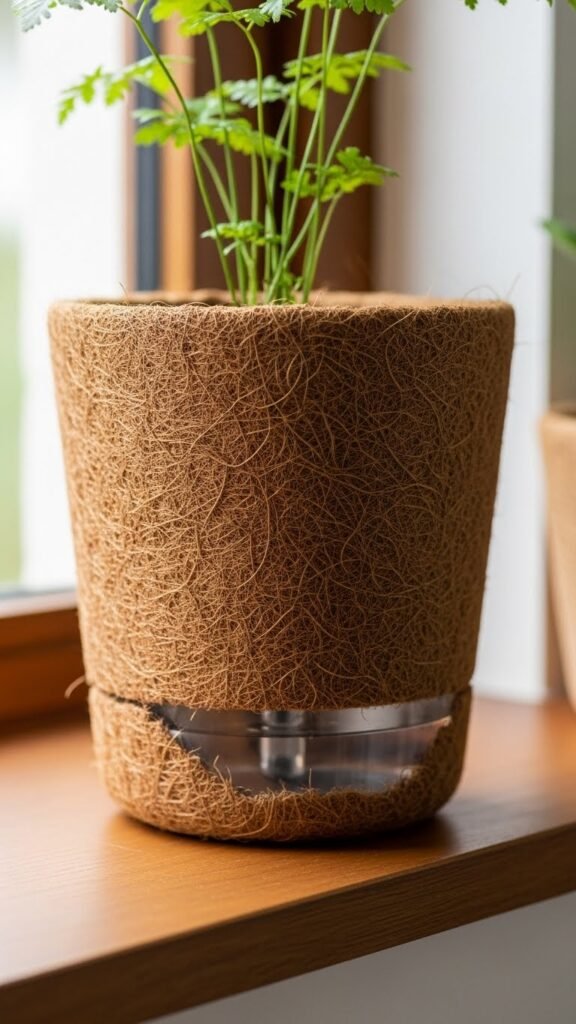
Think of a coco-liner indoor self-waterer as a soft, breathable reservoir that makes indoor plant care almost effortless: you tuck a coconut-fiber liner into a decorative pot, fold it to create a moisture-holding chamber beneath the root zone, fill the top with airy potting mix, and the liner wicks water up as the soil dries.
You’ll enjoy coconut care tips, a simple liner replacement schedule, and hands-off freedom.
5-Gallon Bucket Wick Planter
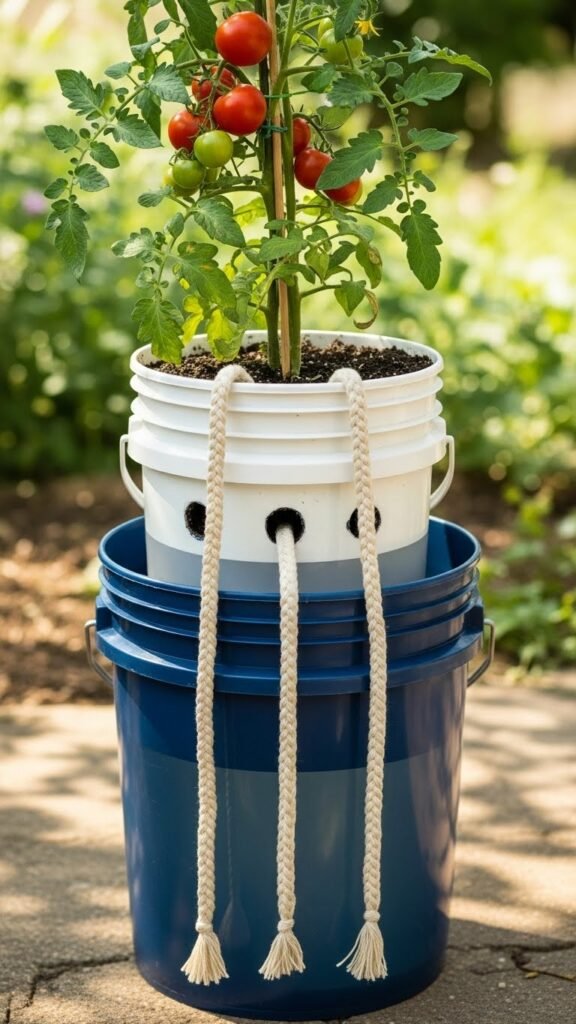
Grab a simple 1–5 gallon bucket and turn it into a reliable wick planter that keeps small vegetables, herbs, or houseplants watered for days.
You’ll drill drainage and a fill port, add soil and a reservoir, then thread wicked cotton as your bucket wicking system.
It’s rugged, portable, and low-maintenance — perfect if you want gardening freedom without daily watering chores.
Saucer-Elevated Pot Reservoir Design
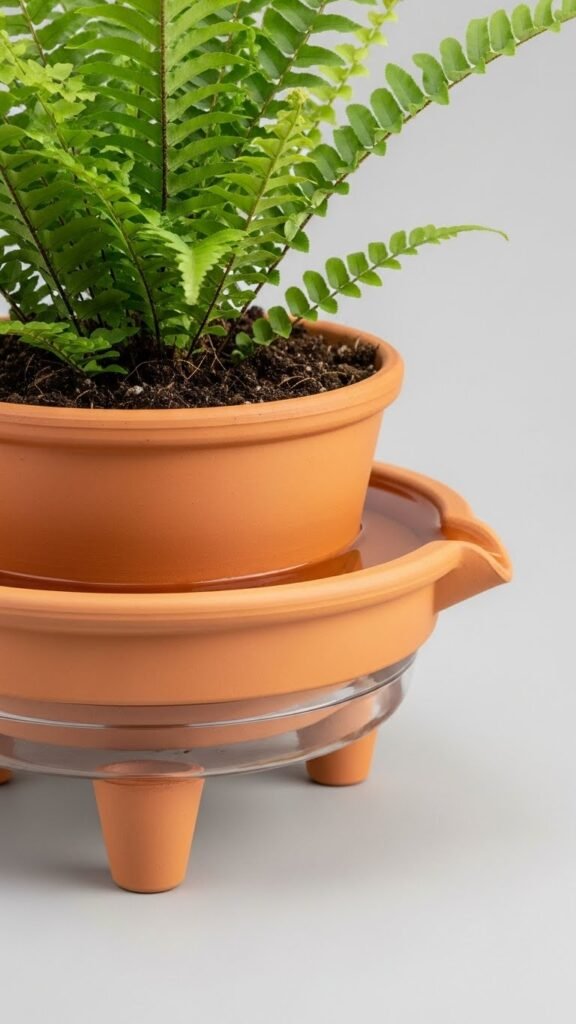
If you liked the simplicity of the 5‑gallon wick bucket, the saucer‑elevated pot reservoir gives you the same self‑watering benefits for standard nursery pots without heavy modification.
You set a saucer reservoir under a pot, raise the pot slightly for pot elevation, and keep water available via capillary action.
It’s low‑effort, reusable, and lets you travel freely without daily watering.
Perforated Pot Submerged Wick System
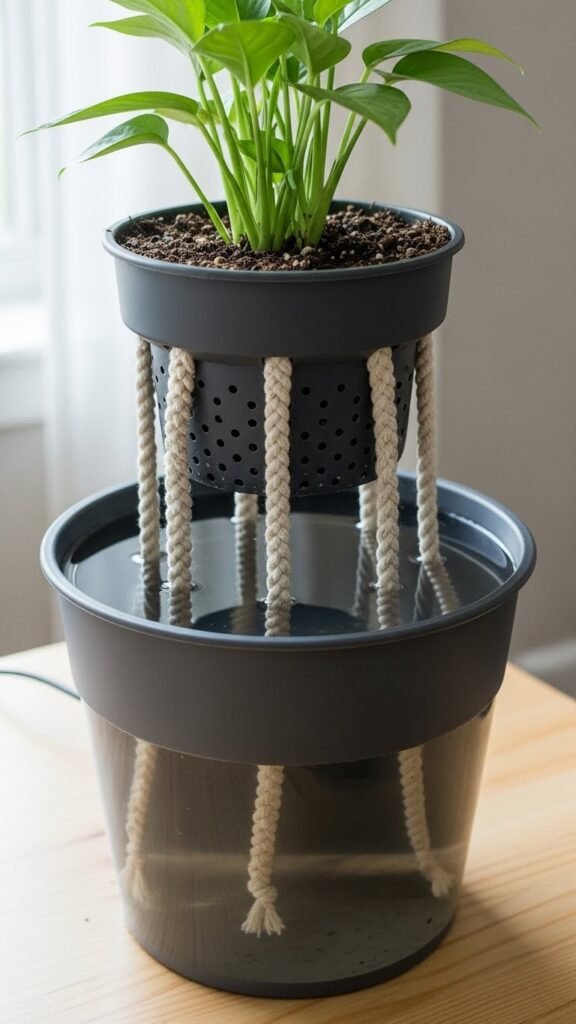
For a simple, low‑maintenance upgrade to standard nursery pots, try a perforated pot submerged wick system: you drill or buy a pot with drainage holes above the waterline, suspend it inside a larger reservoir, and run wicks from the reservoir into the pot so moisture is drawn up into the root zone.
You’ll use capillary matting or cotton wicks, preserve root aeration, and water less.
Hanging Bottle Self-Watering Garden
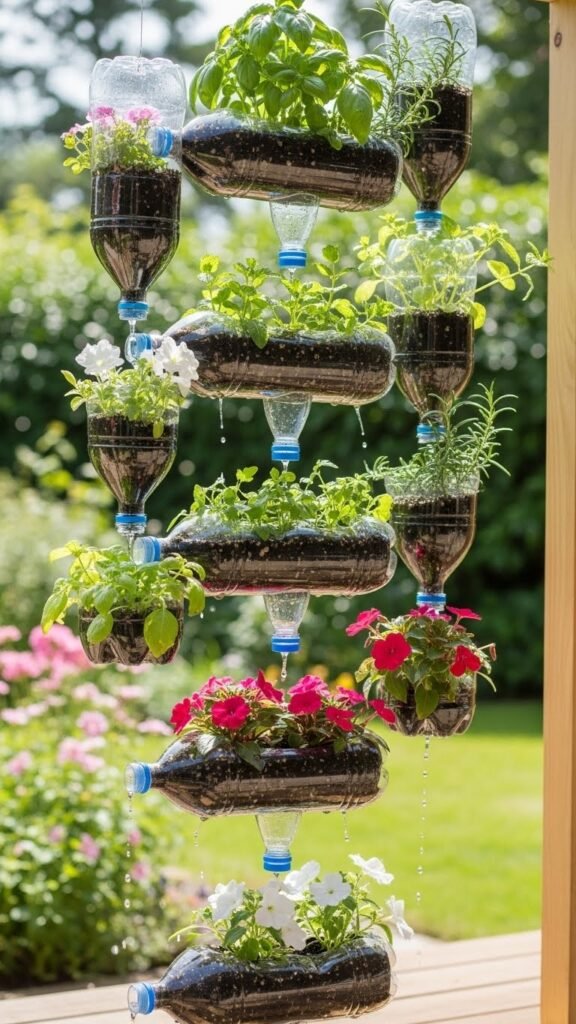
Moving from a submerged-wick setup, you can take self-watering vertical with a hanging bottle garden that saves space and keeps water near roots. You’ll hang recycled bottles, drill small holes for slow drip irrigation, and feed plants via gravity-fed vertical irrigation lines. It’s modular, portable, and lets you control moisture simply—perfect if you want low-maintenance, liberated gardening.
Kitten-Litter Drainage Reservoir Planter
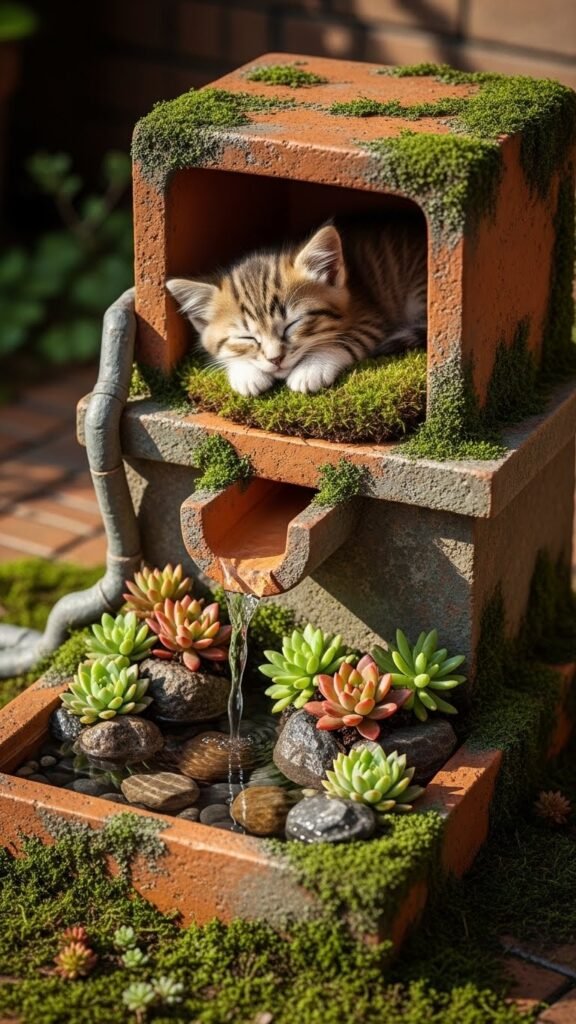
Think of a kitten-litter drainage reservoir planter as a cheap, effective way to give roots constant access to moisture without waterlogging the soil. You’ll fill a bottom reservoir with inert, sandy litter, add a sand layer to prevent clogging, and top with potting mix. It’s low-maintenance, offers odor control when kept dry at the base, and frees you from daily watering.
Landscape-Fabric Lined Window Box
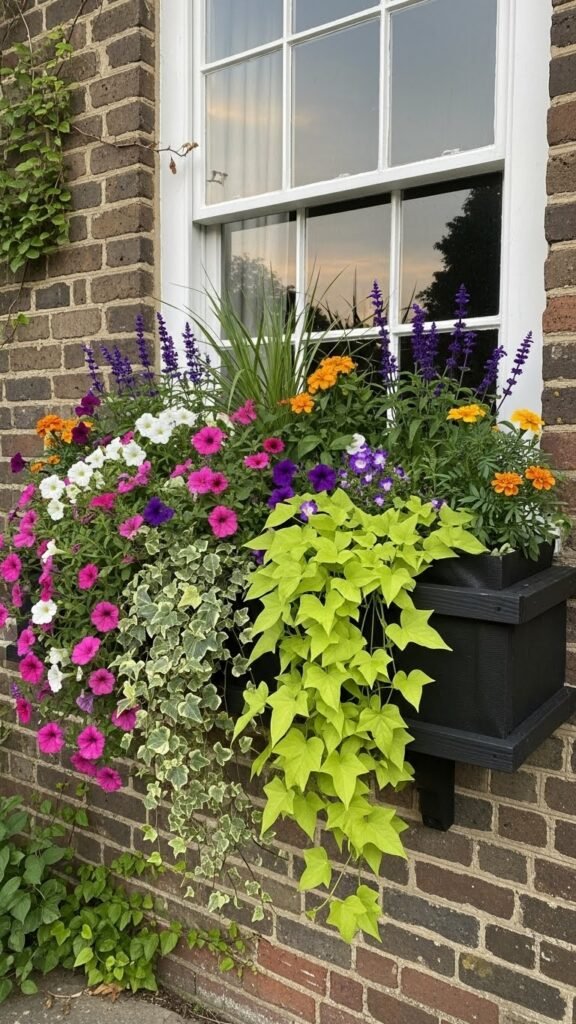
Multi-Pot Shared Reservoir Tray
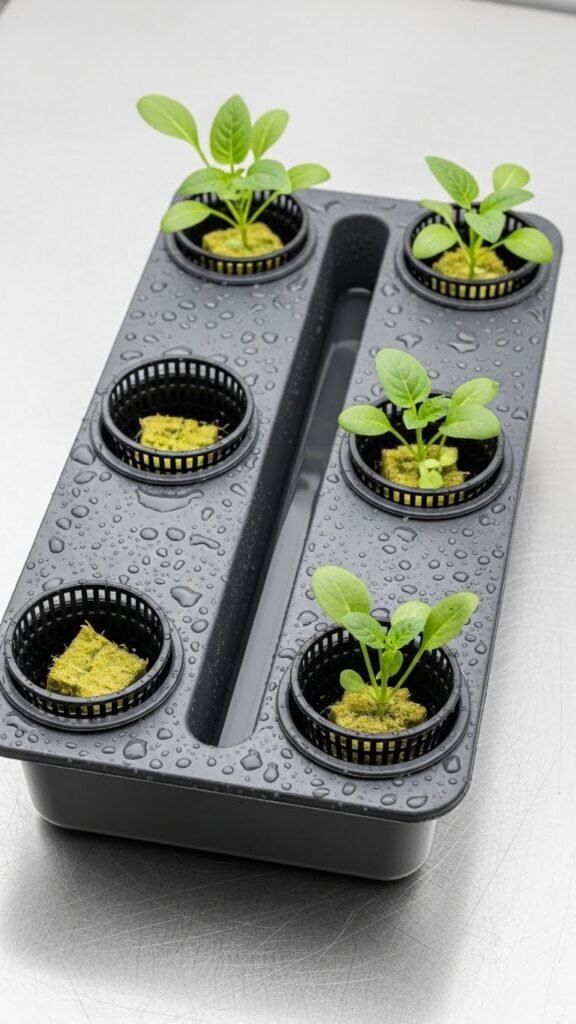
Set up a multi-pot shared reservoir tray to keep several containers evenly watered with far less fuss: you place pots on a shallow tray that holds a few inches of water, capillary matting or wicking strips draw moisture up into each pot, and overflow/drain holes prevent saturation.
You’ll free time, reduce watering chores, and manage runoff with a shared overflow channel for tidy, low-maintenance beds.
Recycled Bottle Tower Wicking Planter

Stacking up discarded plastic bottles into a vertical wicking planter turns waste into a space-saving, self-watering garden you can build with minimal tools.
You’ll drill drainage, thread wicks between stacked pots, and create capillary irrigation that feeds roots below.
Vertical propagation saves ground space and gives you control over watering frequency.
Assemble, refill reservoirs, and enjoy low-maintenance freedom for herbs and greens.
Pebble-Supported Raised Reservoir Planter
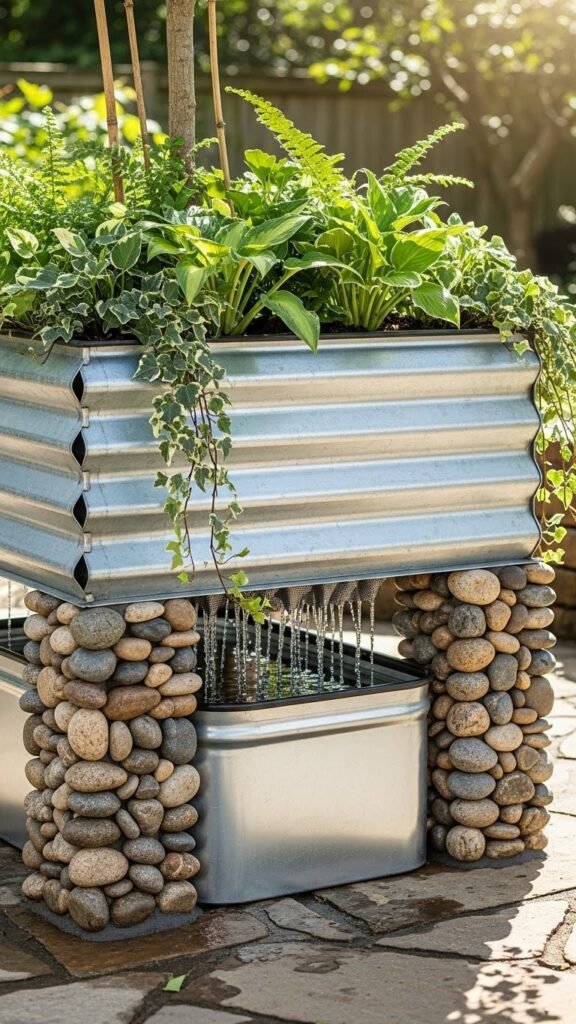
Create a raised reservoir planter by building a stable pebble layer beneath the soil that keeps water held away from roots while wicking moisture upward as needed.
You’ll set reservoir depth to suit plant size, promote capillary action through a porous medium, and add a simple fill tube.
It’s efficient, low-maintenance, and gives you control—freedom to water less and grow more confidently.
Split-Container Two-Chamber System
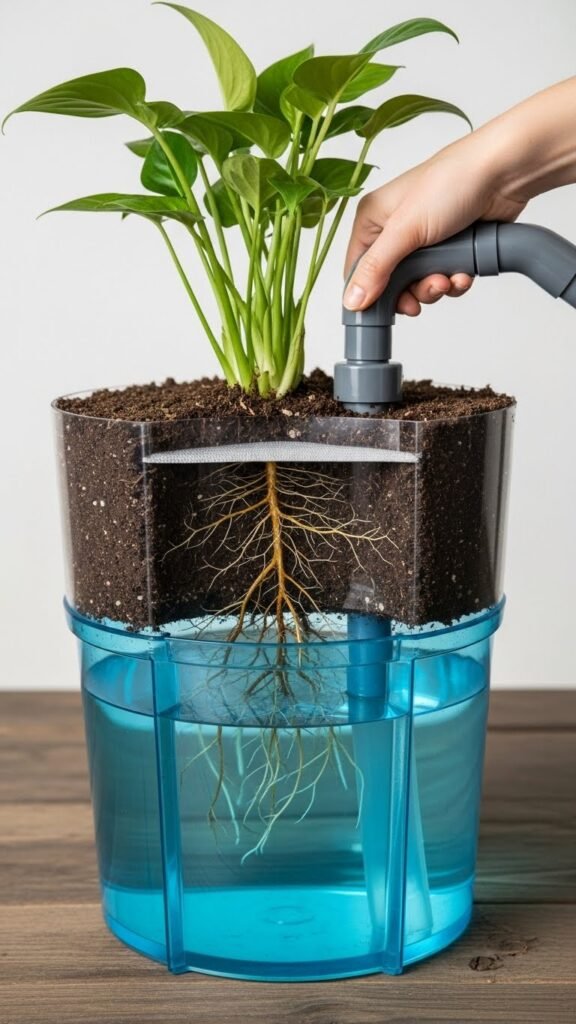
When you need precise control over watering and root environments, a split-container two-chamber system gives you that flexibility by separating a lower water reservoir from an upper soil chamber while still allowing roots to access moisture through a wicking interface.
You’ll install a capillary membrane between chambers and a root barrier above it, so roots reach water without overgrowing the reservoir, keeping maintenance minimal.
Plant Pot With Overflow Safety Hole
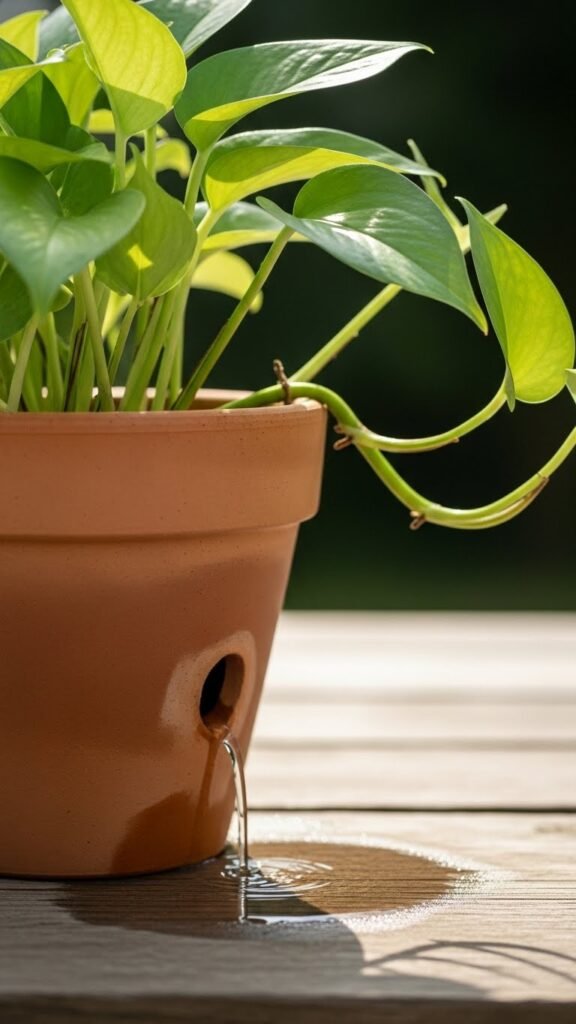
Because overwatering can quietly damage roots, adding an overflow safety hole to your plant pot gives you a reliable fail-safe that prevents the reservoir from rising above a safe level. You’ll install it low on the inner wall as an overflow safeguard, routing excess water away from soil.
This simple safety overflow keeps roots healthy, saves plants, and frees you to travel without constant worry.