
You can turn junk into useful garden gear without spending much cash, and you’ll cut waste while boosting productivity. Start with tin cans, plastic bottles, pallets and old boots, then move to smart composting, water-saving containers and vertical herb towers. These practical, low-cost fixes work whether you’ve got a balcony or a backyard, and they’ll change how you think about materials—here’s how to get started.
Reused Tin Can Planters
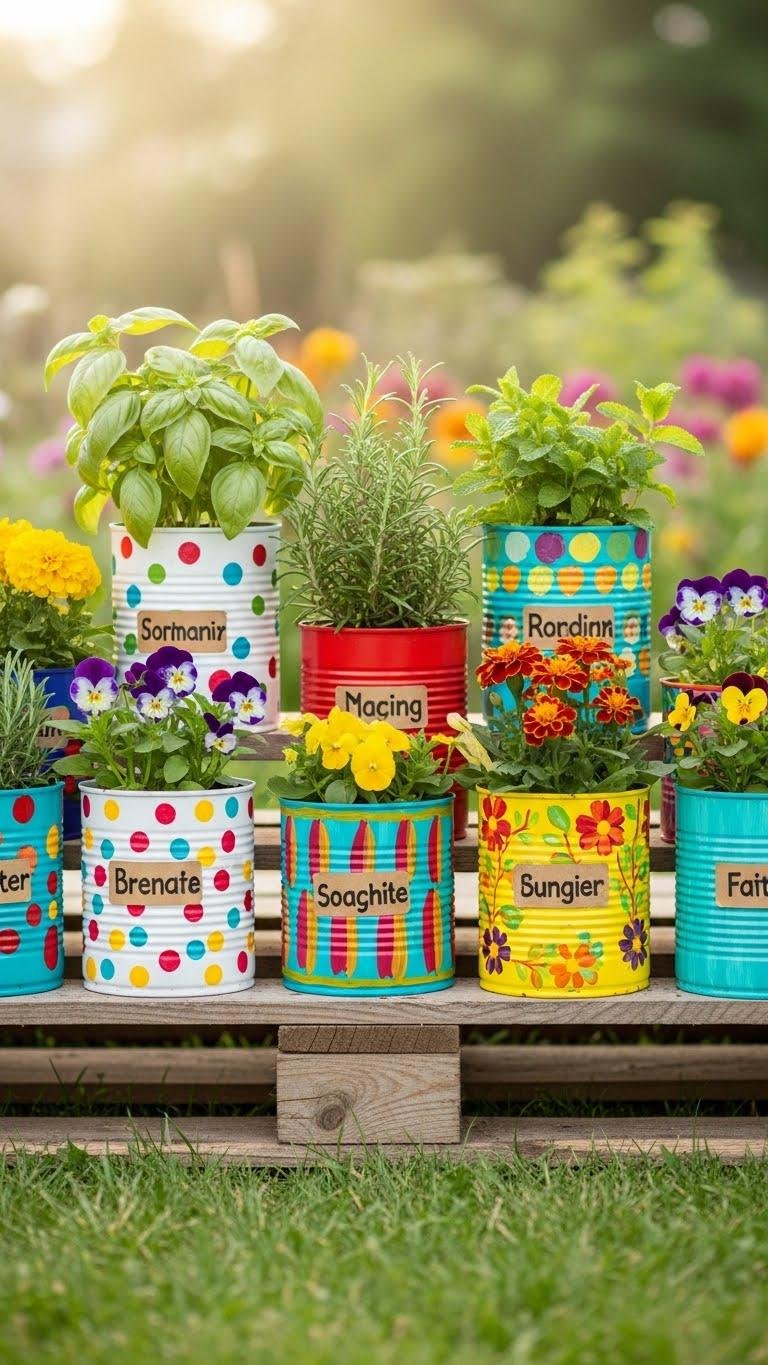
Gather up old tin cans and turn them into sturdy, low-cost planters that cut waste and add charm to your garden.
You’ll punch drainage holes, fill with free soil, and plant herbs or flowers.
Paint cans, attach rustic labels, and arrange them on a pallet or windowsill for a DIY vertical feel.
It’s sustainable, affordable, and grants you gardening independence.
Plastic Bottle Vertical Herb Tower
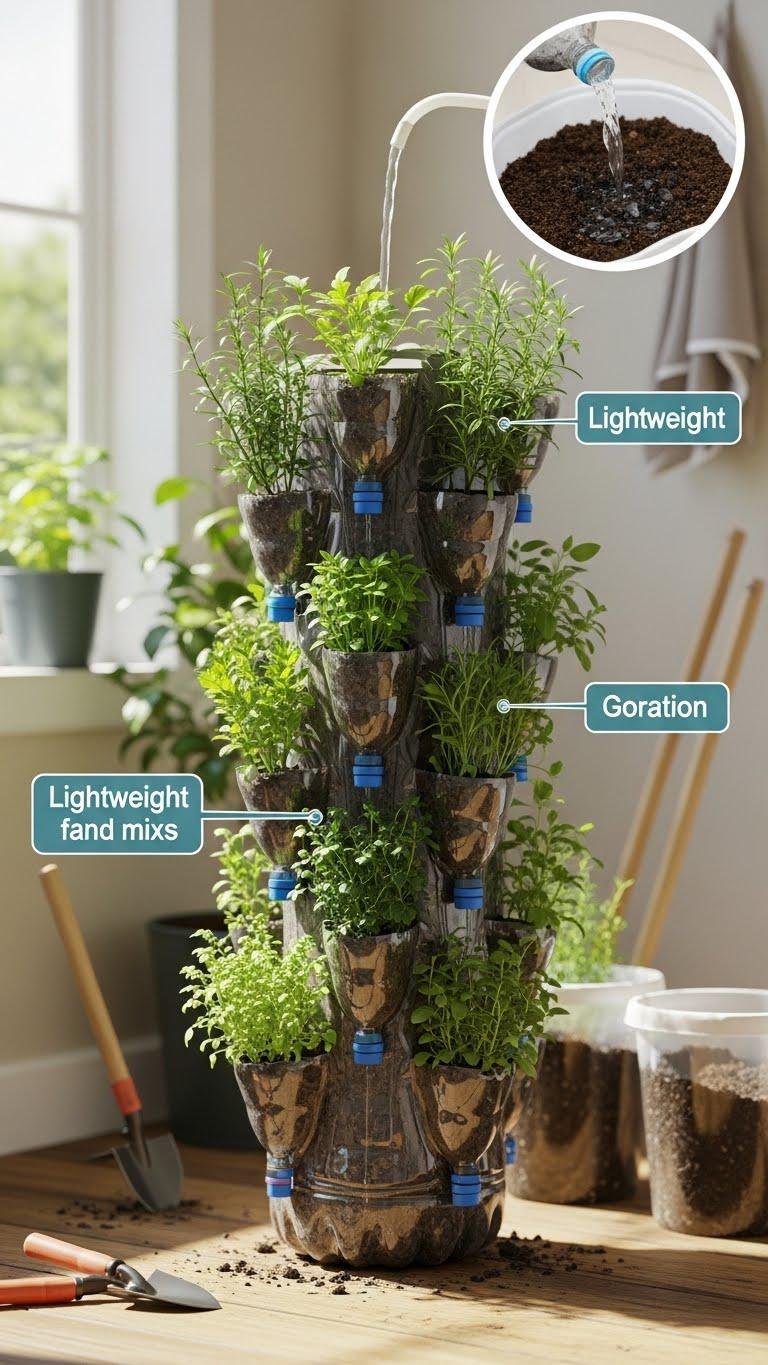
Using a stack of recycled plastic bottles, you can build a compact vertical herb tower that saves space, cuts waste, and keeps fresh greens within arm’s reach; it’s easy to assemble with a few tools and basic materials.
You’ll create a DIY tower with staggered pockets, simple Bottle irrigation via gravity, and lightweight soil mixes so you can grow herbs anywhere and stay self-reliant.
Newspaper Seedling Pots
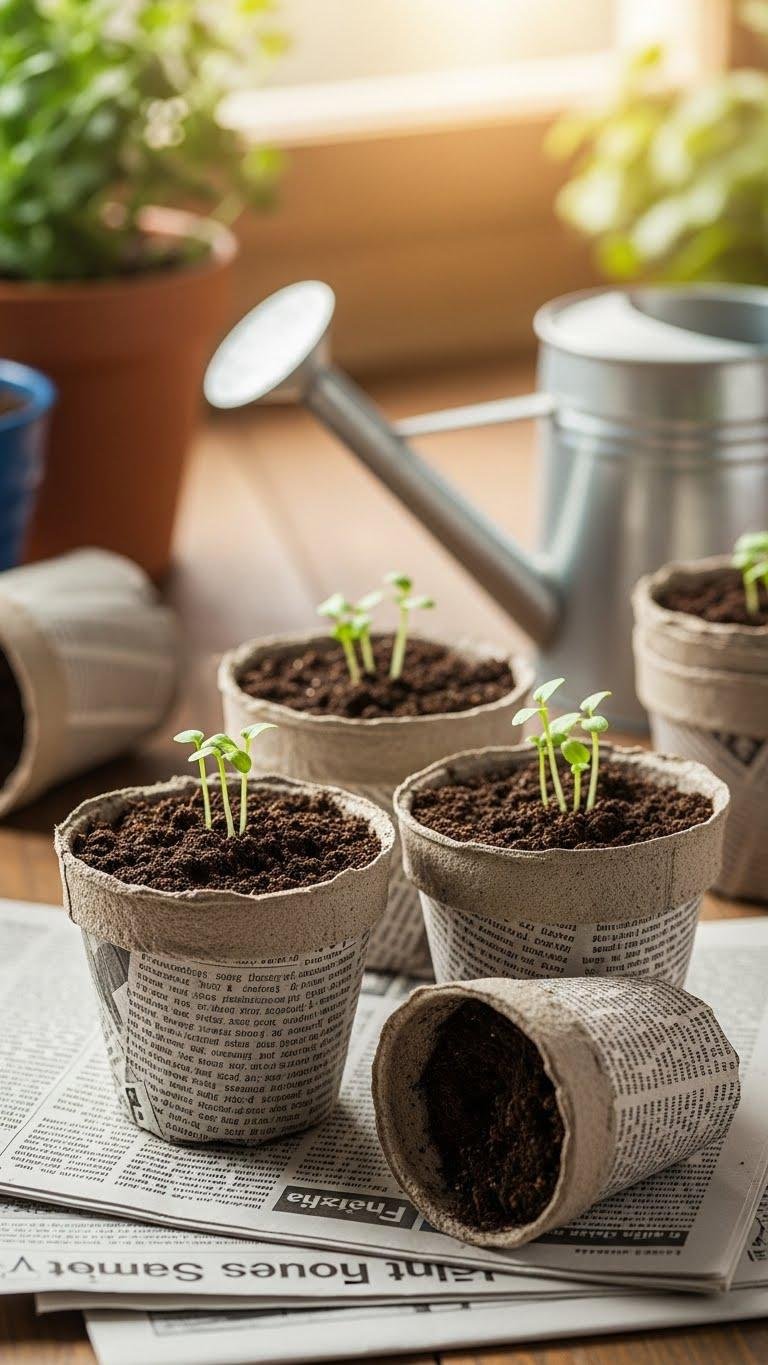
Often you’ll find that old newspapers make perfect seedling pots: they’re cheap, biodegradable, and let you start seeds indoors without buying plastic trays.
You’ll roll pages into small biodegradable pots for seed starting, add soil, and sow.
Use ink safe pages, keep moist, and follow simple germination tips.
When roots form, transplant whole pot into soil and free your seedlings.
Cardboard Seed Raiser Trays
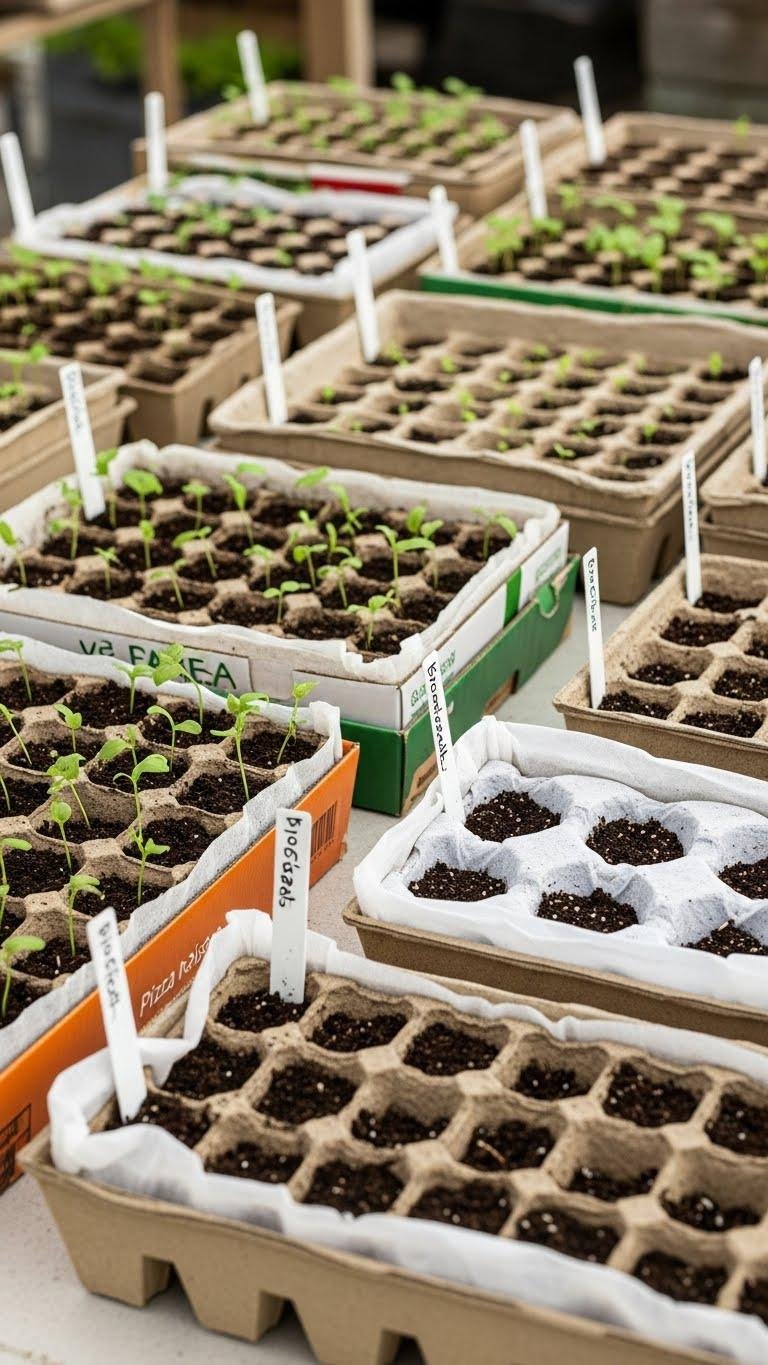
Made from discarded cereal boxes, pizza cartons, or shipping tubes, cardboard seed raiser trays give you a sturdy, biodegradable way to start lots of seedlings without buying plastic flats.
You’ll cut, fold, and line trays for drainage, use moisture wicking fabric or paper, and mark rows with biodegradable labels.
They’re cheap, compact, and let you grow freely with minimal waste.
Old Boot Container Garden
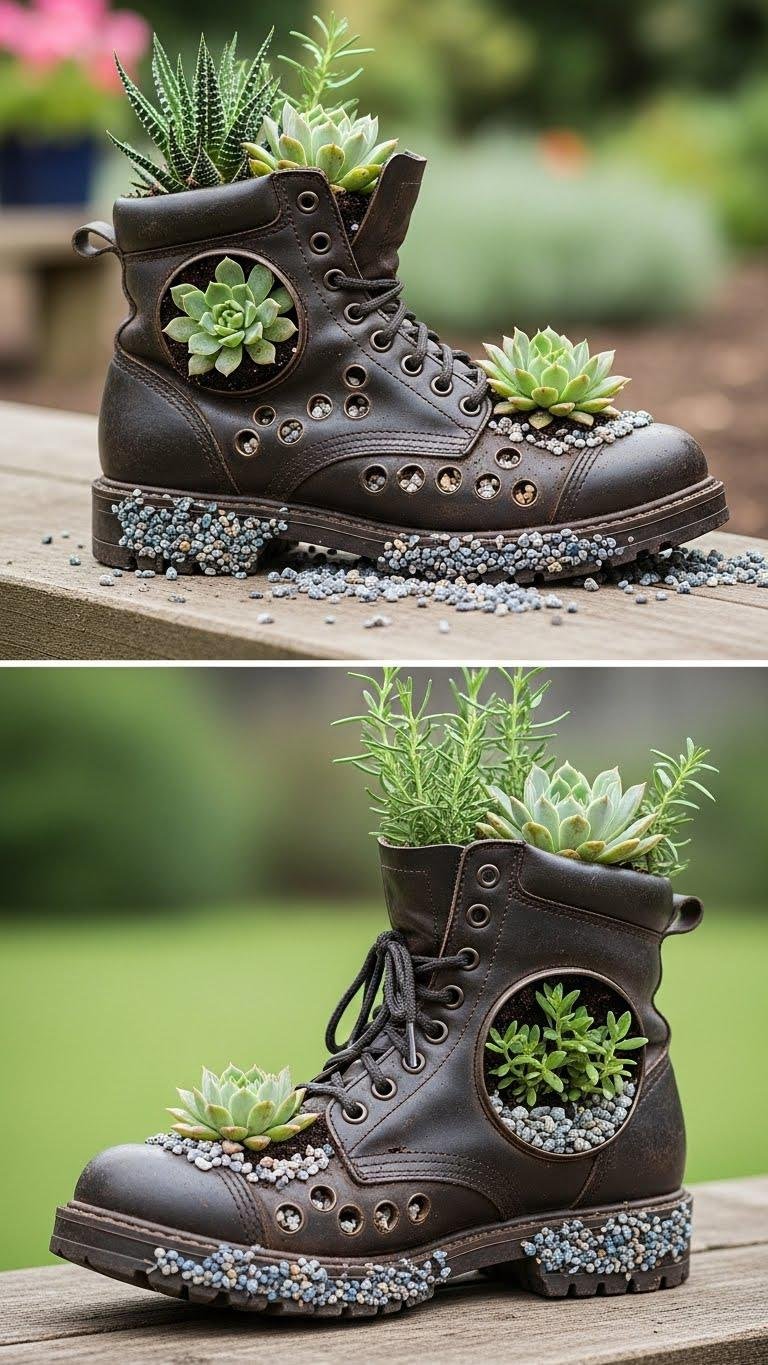
You can turn an old boot into a charming, space-saving planter that keeps footwear out of the landfill and adds personality to your garden.
You’ll drill drainage, add gravel and soil, then plant succulents or herbs for minimal upkeep.
Worn sole planters suit rugged styles; a laced boot terrarium works for tiny, humid micro-gardens.
It’s sustainable, creative, and gives you freedom to personalize.
Repurposed Ice Cream Tub Herb Beds
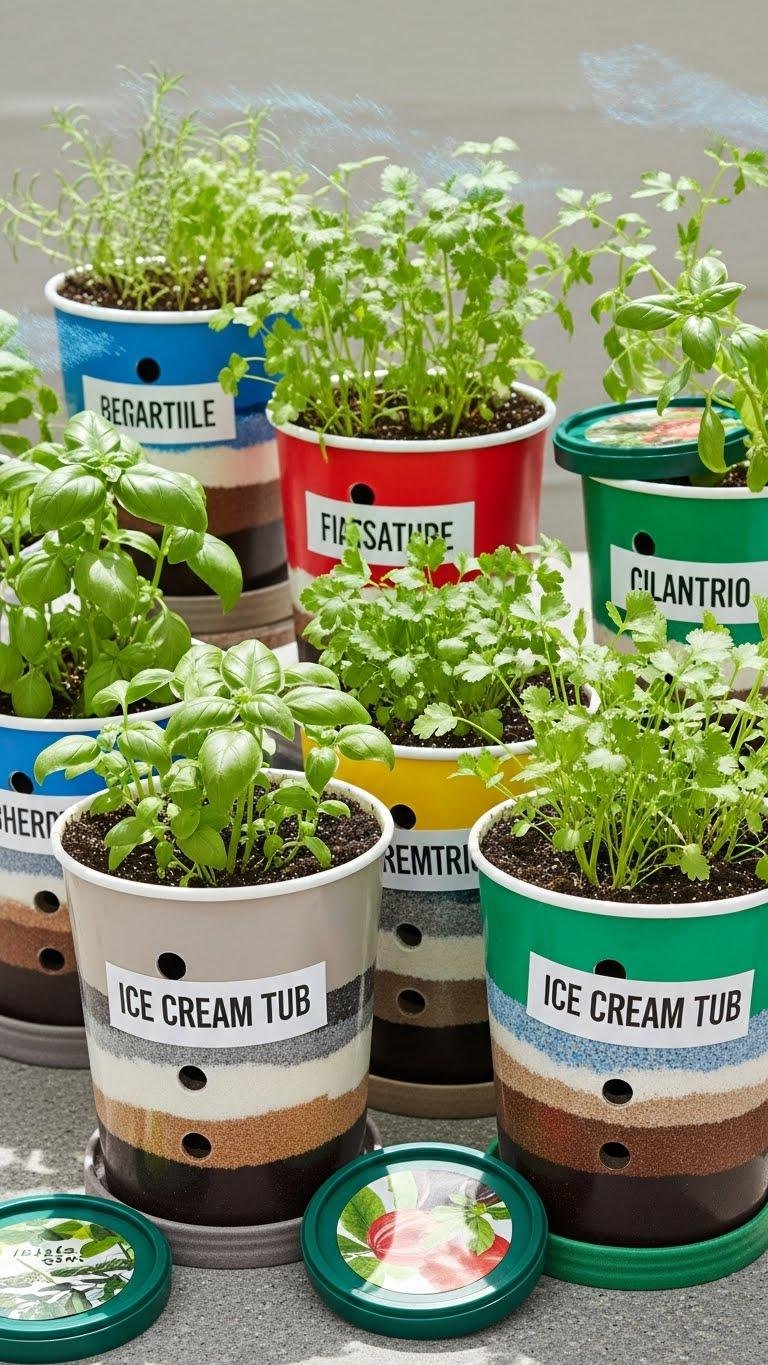
Turn old ice cream tubs into neat, space-saving herb beds that cut waste and keep fresh seasonings at your fingertips. You’ll punch drainage holes, reuse licked lids as labels, and stack soil with layered drainage—gravel, sand, compost—to save water and weight. Place tubs where sun and wind suit your herbs, water sparingly, and enjoy portable, low-cost freedom from store-bought greens.
Shallow Fruit Box Salad Planters
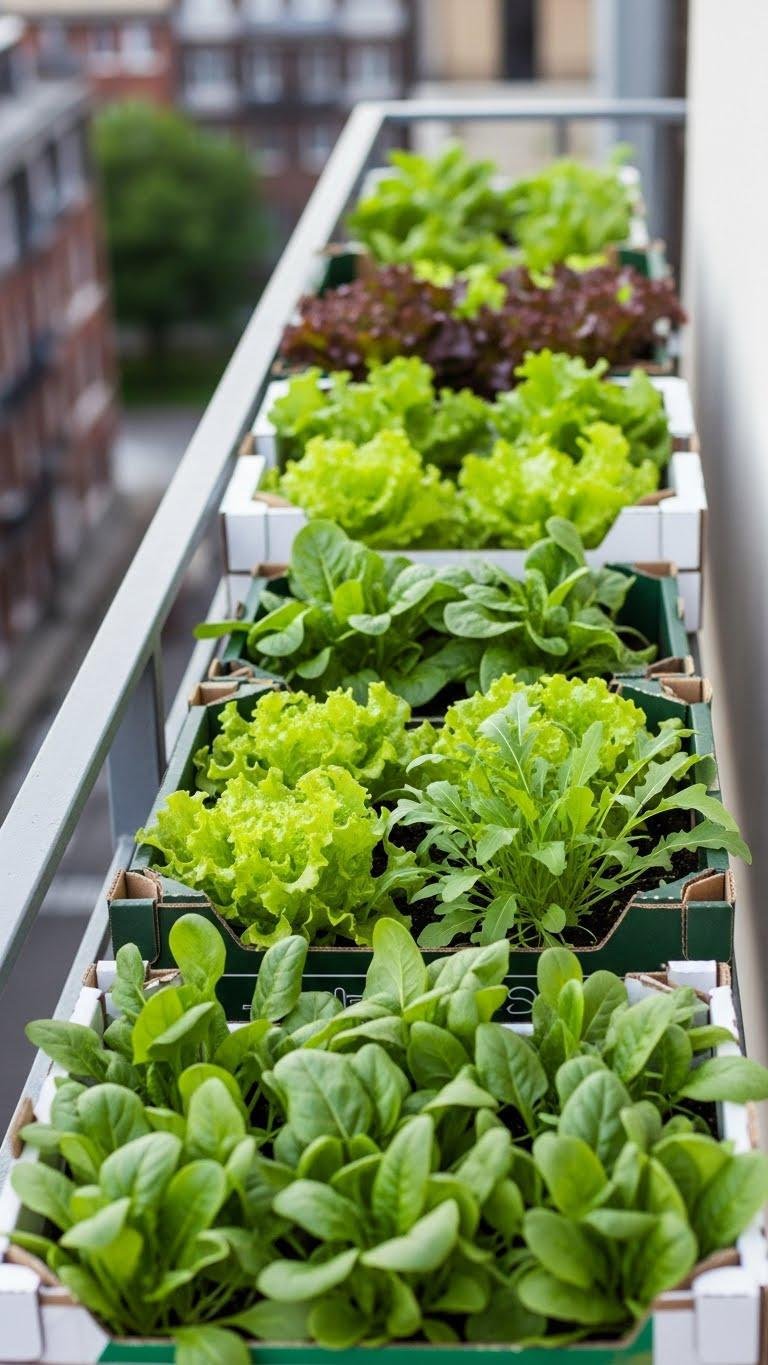
If you liked the compact convenience of ice cream tub herb beds, shallow fruit box salad planters give you another low-waste option for fresh greens—using discarded produce boxes to grow lettuce, arugula, and baby spinach in a slim, space-saving profile.
You’ll cut waste, arrange shallow orchards of salad in balconies or patios, and create fruit microbeds that free you from store dependence with tidy, mobile, inexpensive beds.
Milk Carton Cut-Out Growers
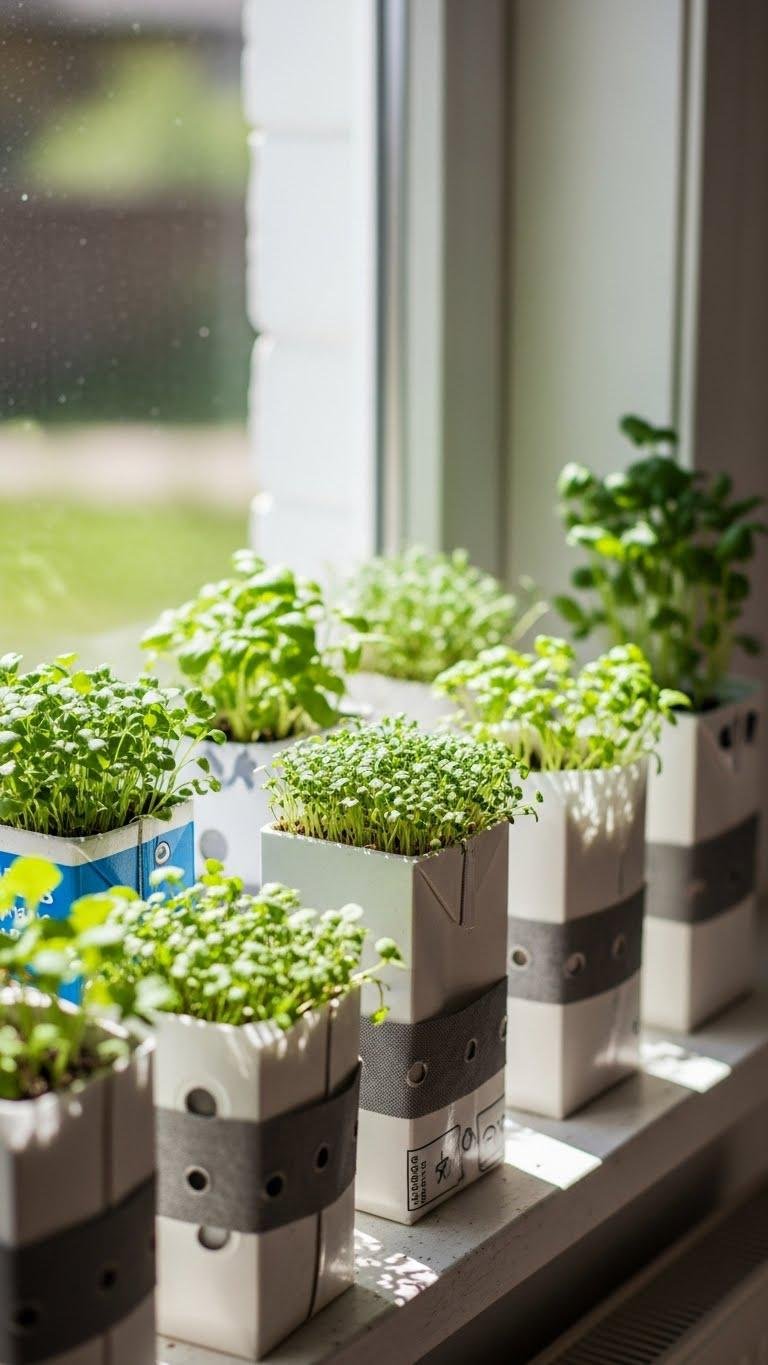
Cut up a clean milk carton and you’ve got an instant, inexpensive planter that’s perfect for seedlings, herbs, or microgreens.
You’ll make cutout growers by trimming sides for easy access, punching drainage holes, and fitting biodegradable liners to simplify transplanting.
Place several on a sunny windowsill, water lightly, and enjoy self-reliance: low-cost, eco-conscious gardening that saves money and reduces waste.
Upcycled Wooden Pallet Vertical Bed
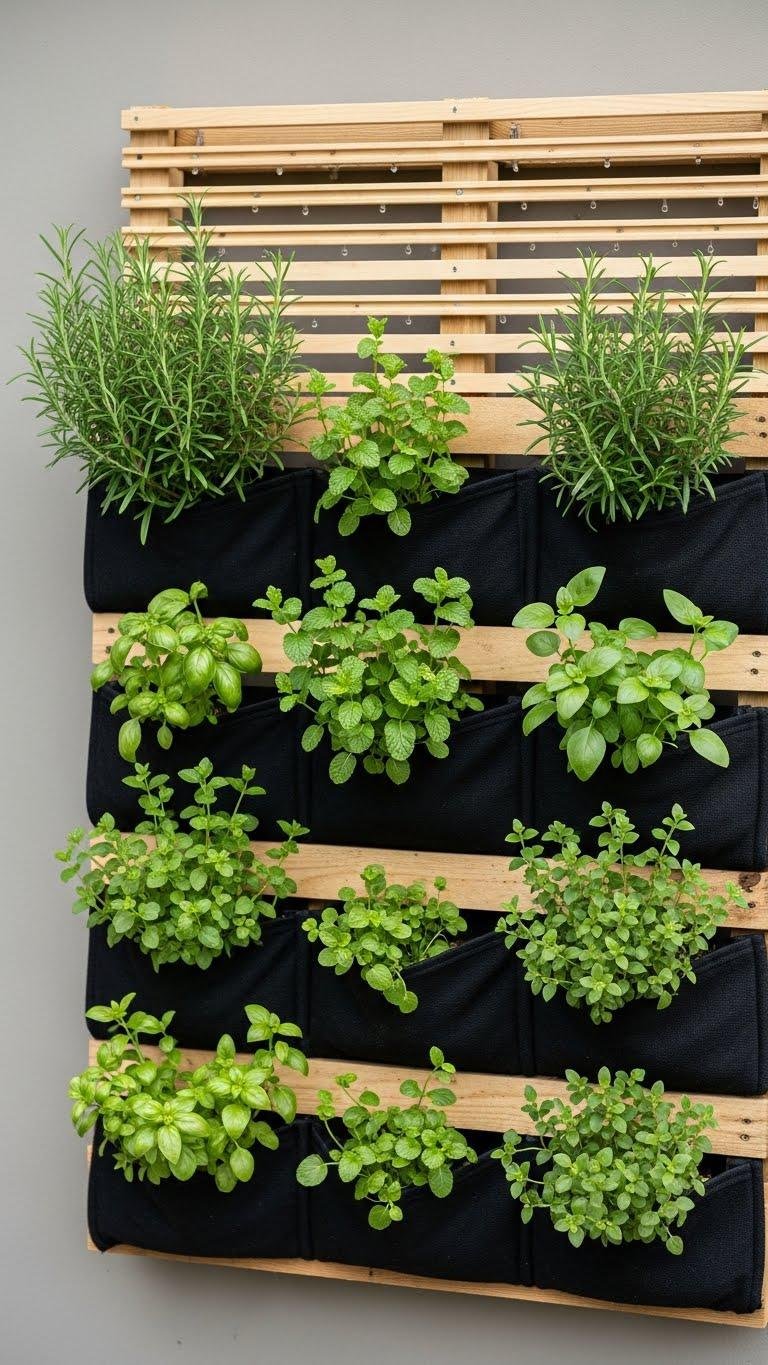
A pallet-turned-planter lets you create a compact vertical bed that saves space and reuses materials you might otherwise toss. Mount the pallet upright, line pockets with breathable fabric, and fill with soil for pallet herbs like rosemary and mint.
Install simple slatted irrigation to direct water downwards. You’ll gain a low-cost, mobile green wall that’s practical, freeing, and sustainable.
Used Bricks Raised Garden Bed
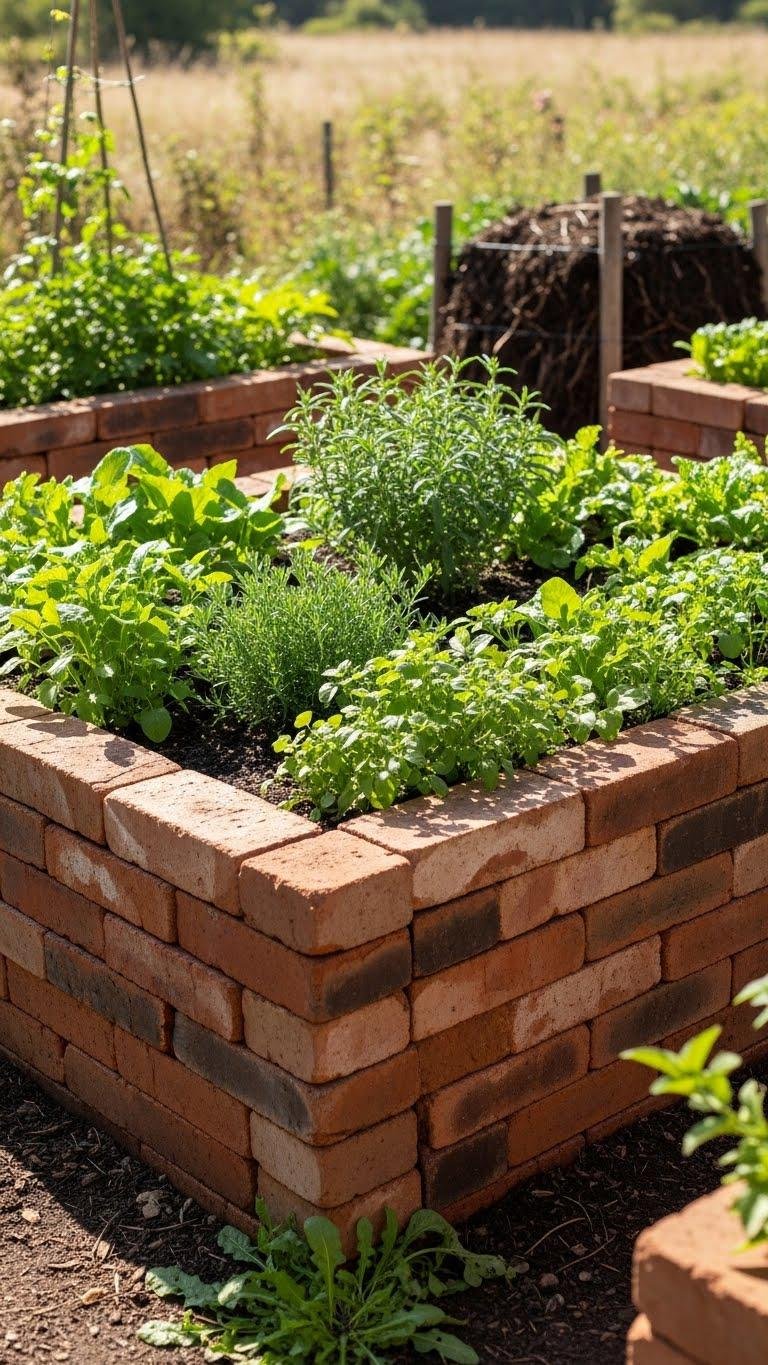
Gather used bricks and you’ll have the bones for a sturdy, low-cost raised bed that diverts waste from landfills and gives your plants better drainage and soil warmth.
You’ll lay salvaged paver pieces in a stacked stretcher pattern, leveling as you go.
Fill with reclaimed compost and soil, plant hardy herbs or veggies, and enjoy a durable, freedom-friendly garden that cost you little but gives plenty.
Salvaged Fencepost Raised Planter
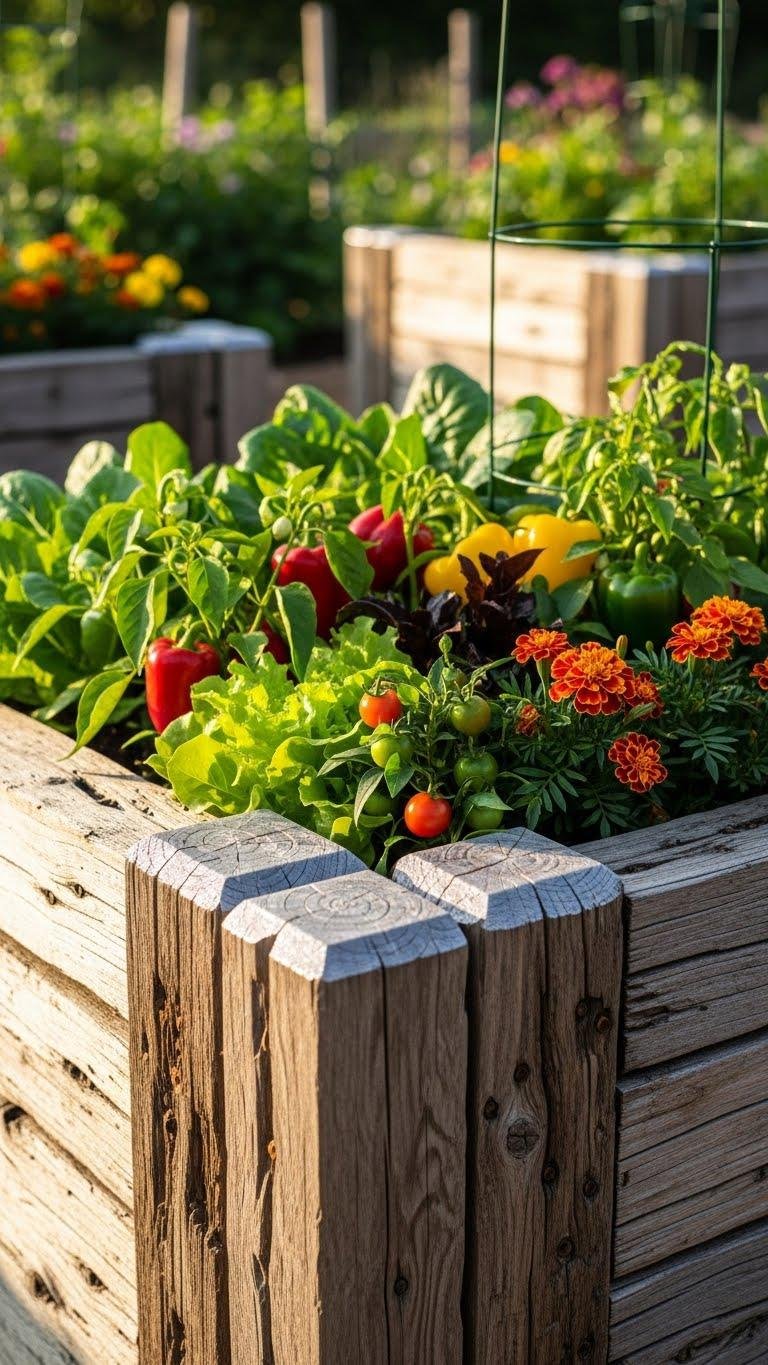
Salvaged fenceposts make rugged, character-rich sides for a raised planter that’s as durable as it’s sustainable, and you can build one without buying new lumber.
You’ll cut posts to size, stack and secure them, line the interior with a root barrier, and coat exposed ends with weatherproof sealant.
It’s a bold, low-cost project that frees you to grow with grit and purpose.
Repurposed Kiddie Pool Pond
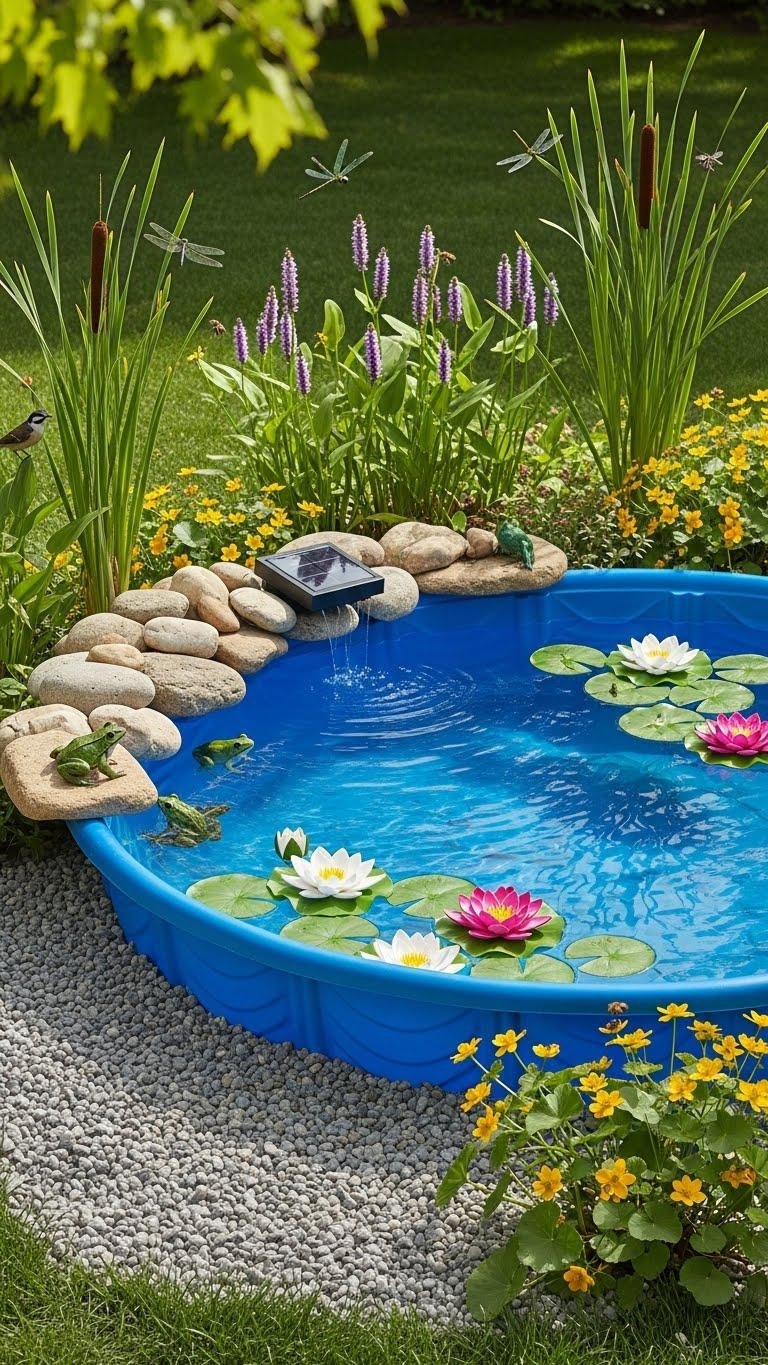
If you’ve got leftover materials from that fencepost planter, don’t let a sturdy kiddie pool sit idle—turn it into a backyard pond that’s cheap, low-maintenance, and wildlife-friendly.
You can craft a self-sustaining kiddie pool ecosystem with gravel, native marginal plants, and a small solar pump.
Add floatable waterlilies, rocks for frogs, and enjoy a liberated, low-cost oasis.
Old Drawer Succulent Display
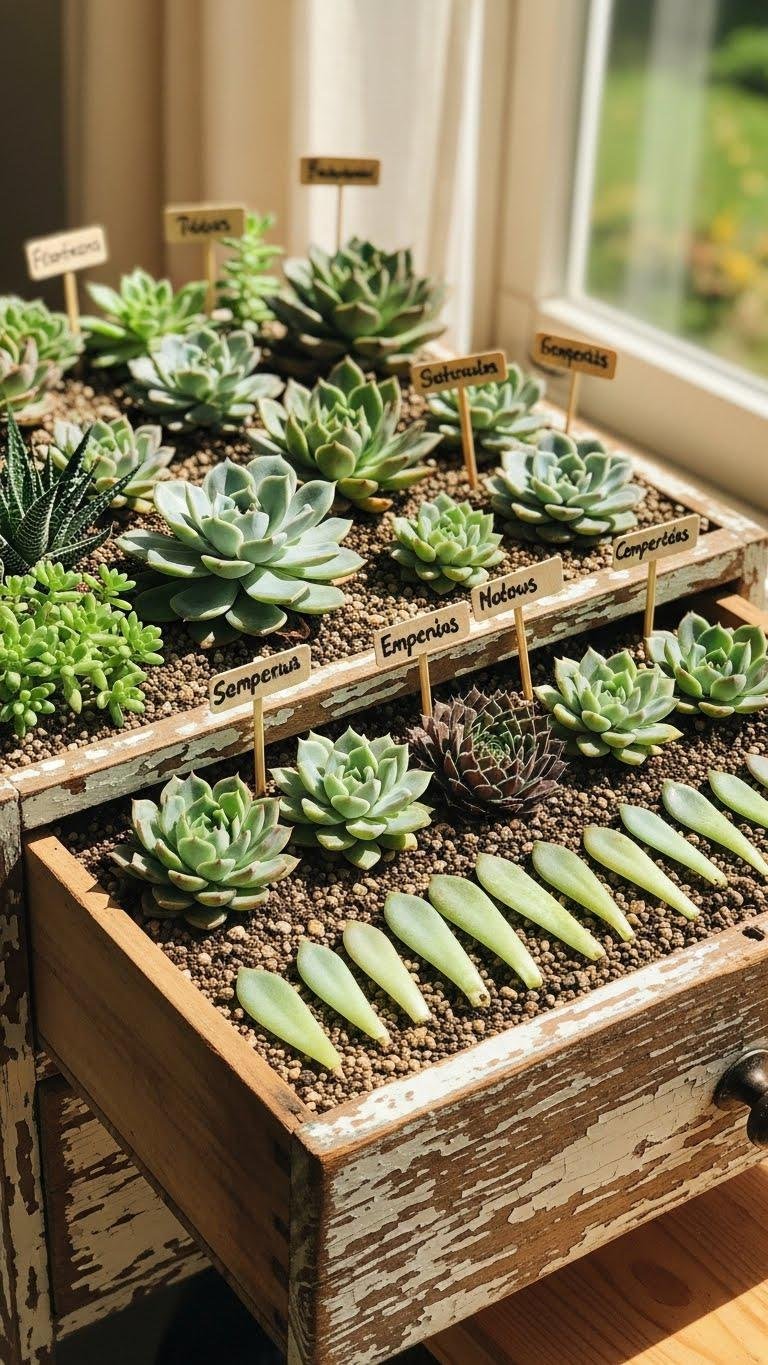
Pull an old drawer out of storage and turn it into a low-water, high-style succulent display that uses what you already have. Line it, add drainage, fill with gritty mix, and arrange harvested leaves for succulent propagation.
Create a mini drawer terrarium by grouping varieties and labeling them. You’ll save cash, cut waste, and enjoy a portable, freedom-friendly green nook.
Colander Hanging Herb Strainers
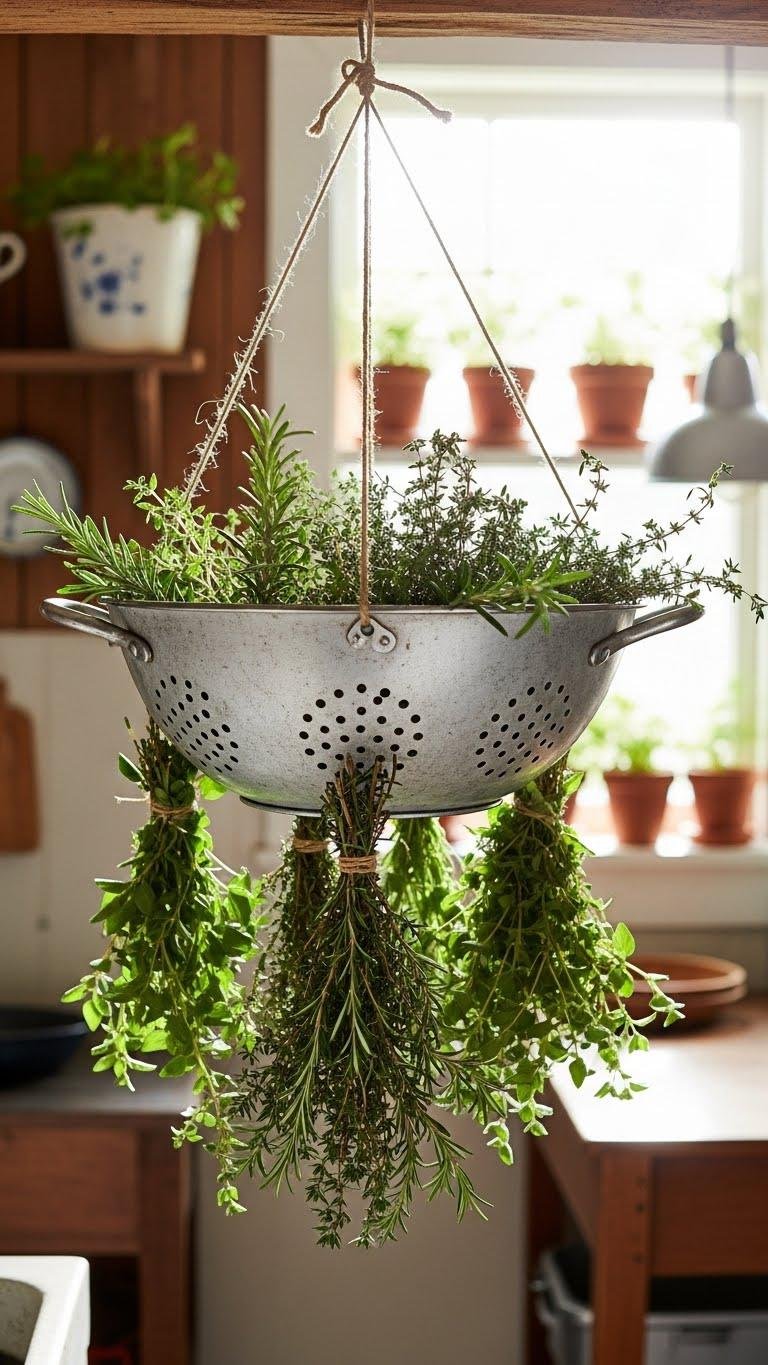
You can carry that same upcycling spirit from the drawer succulents into the kitchen by turning an old colander into a hanging herb strainer. You’ll drill drainage holes, add coco coir, and hang the hanging colander near sunlight.
It saves money, reduces waste, and keeps fresh herbs handy. You’ll prune and rotate plants for vigor, enjoying simple, liberated gardening.
Canvas Bag Potato Growers
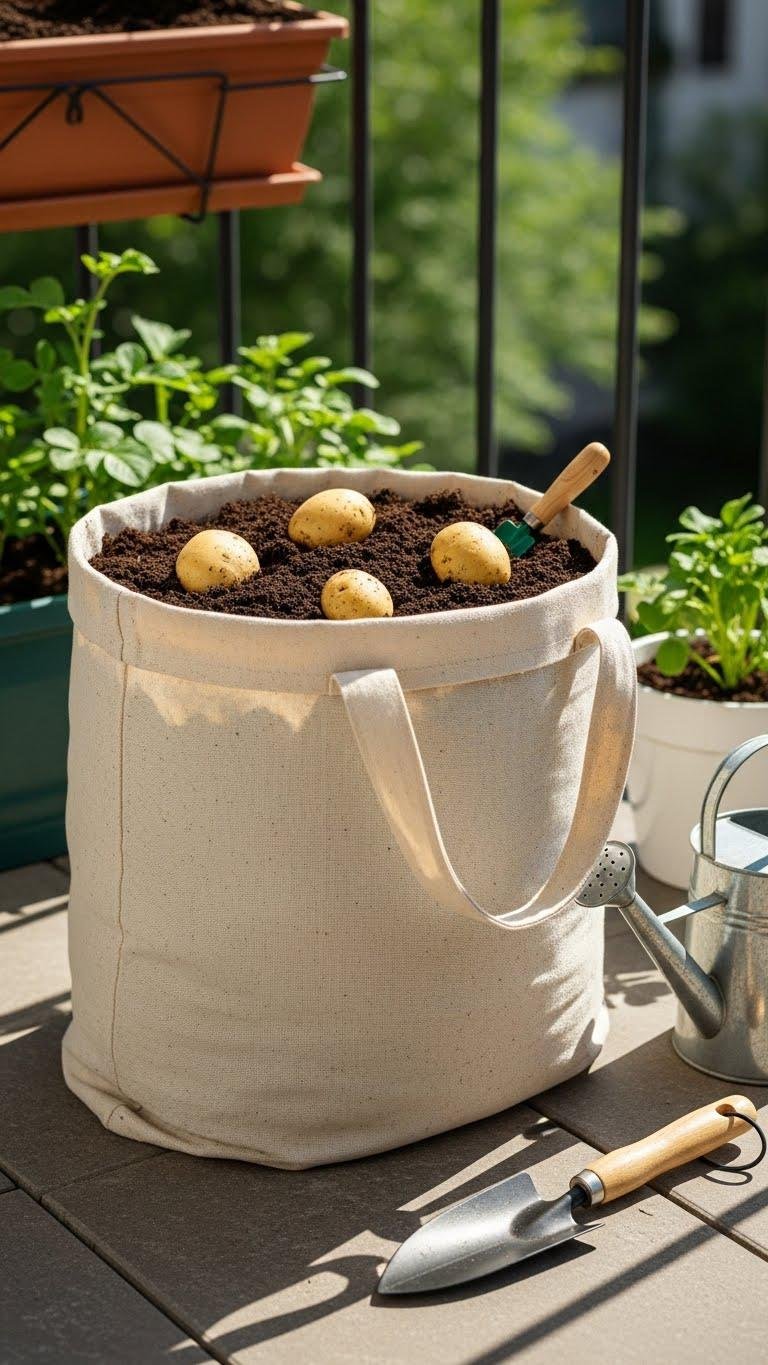
Turn an old canvas tote into a compact potato grower that saves space, money, and landfill waste. You’ll add drainage, fill with soil, and plant seed potatoes to enjoy harvests on balconies or patios.
These portable planters support compact gardening and let you move crops for sun, shade, or storage. Reuse, experiment, and reclaim freedom while growing hearty spuds affordably.
Funky Tin and Bottle Decorative Planters
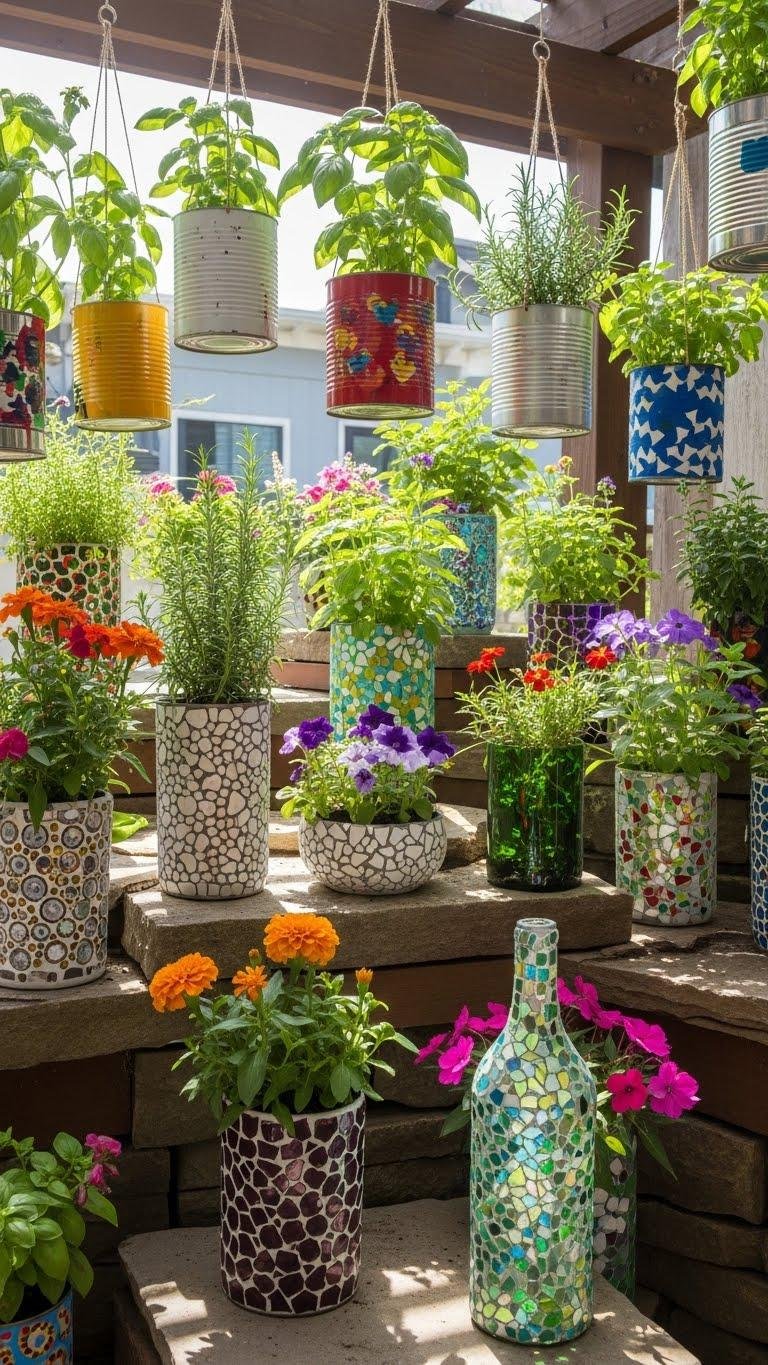
Give old tins and bottles a new lease on life by turning them into funky, low-cost planters that brighten patios and cut waste.
You’ll upcycle painted cans into herb pots, punch drainage, and hang them for portable greenery.
Transform glass with mosaic bottles techniques for color and sun play.
These simple, budget-friendly projects free you from store-bought constraints while trimming landfill impact.
Recycled Mulch From Yard Waste
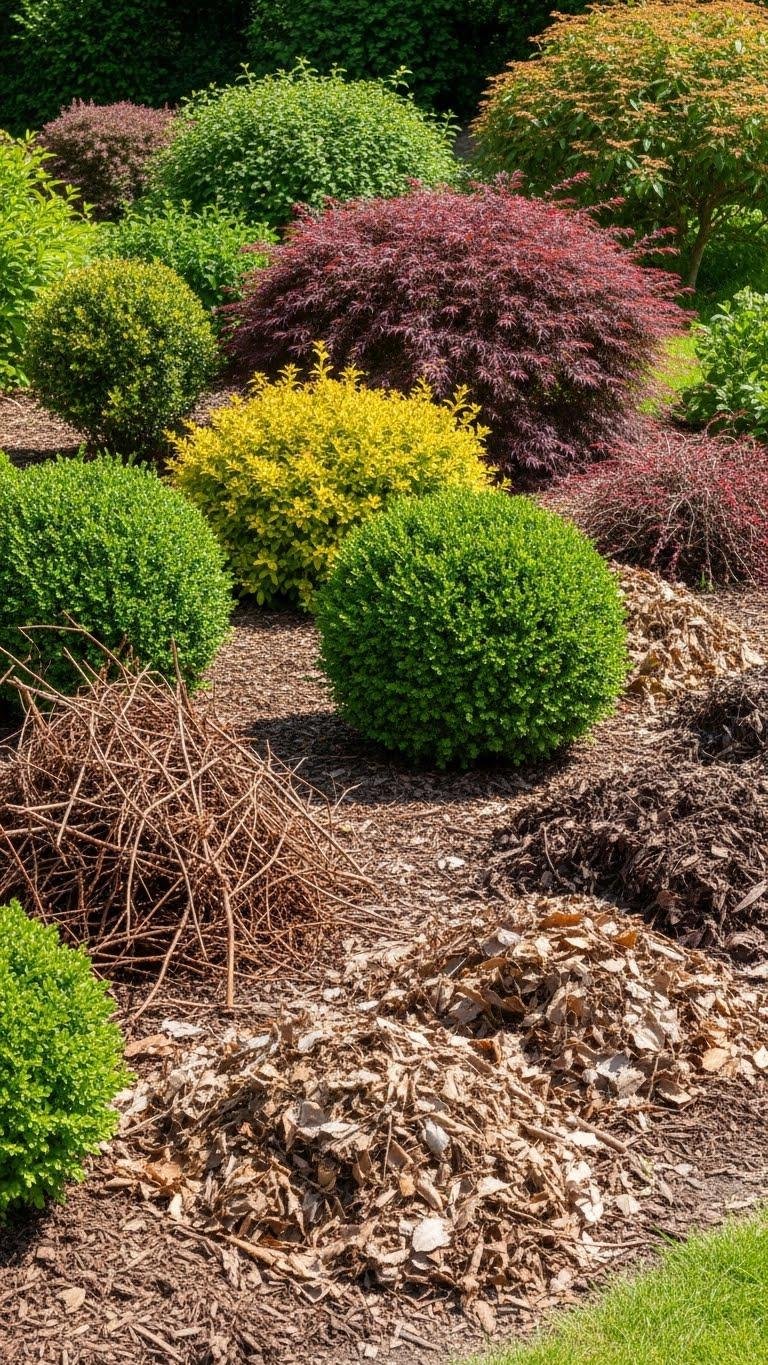
Composting yard trimmings into coarse mulch keeps nutrients on your property and cuts disposal trips to the curb. You can shred branches into twig chiplets mulch and pile leaves to produce composted leafmold, then let them age.
Spread around shrubs to retain moisture, suppress weeds, and reduce watering. You’ll save money, reclaim waste, and gain low-maintenance, resilient garden freedom.
Homemade Compost From Kitchen Scraps
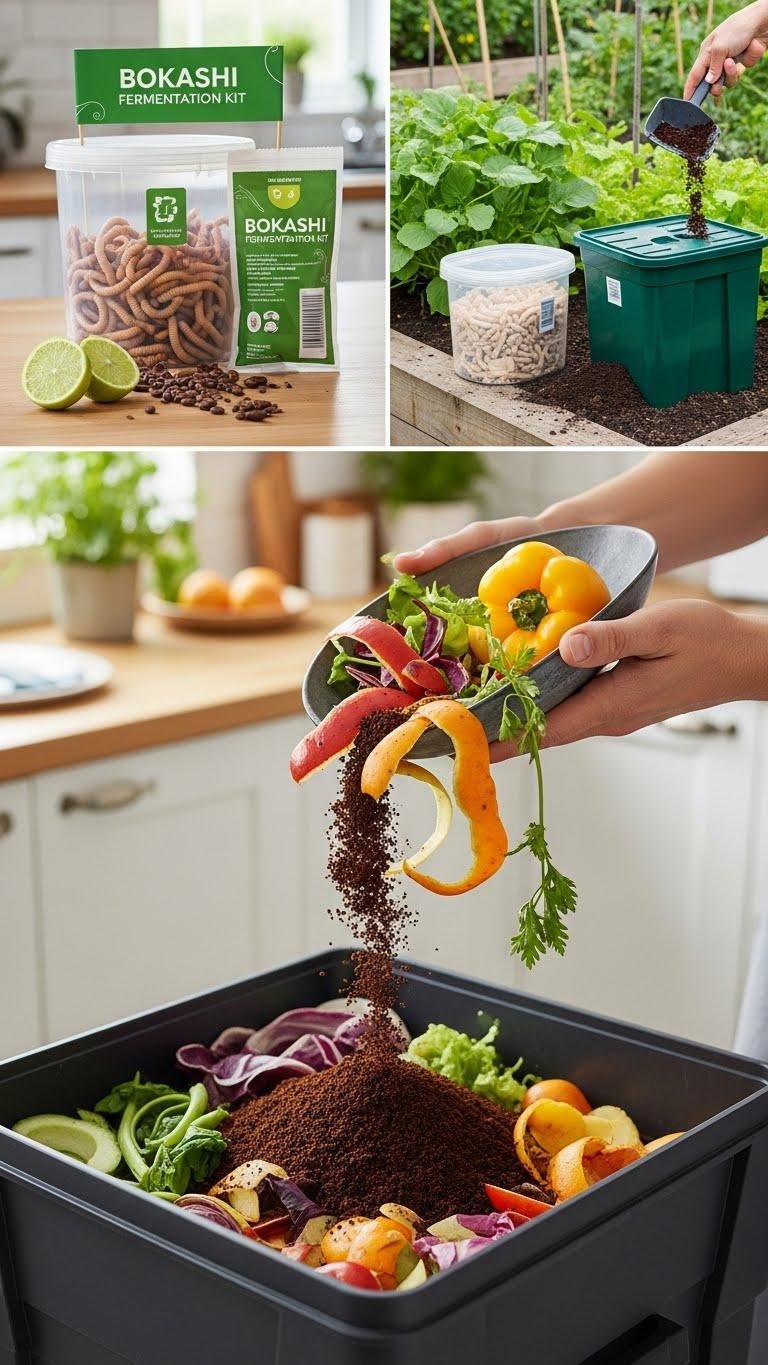
Saving kitchen scraps for homemade compost is one of the simplest ways you can close the loop on household waste and feed your garden.
You’ll sort peels and coffee grounds, choose a worm bin for fast breakdown or try kitchen Bokashi to ferment scraps.
Turn, monitor moisture, and add finished compost to beds.
It’s low-cost, empowering, and cuts waste.
Rainwater Barrel From Old Receptacles
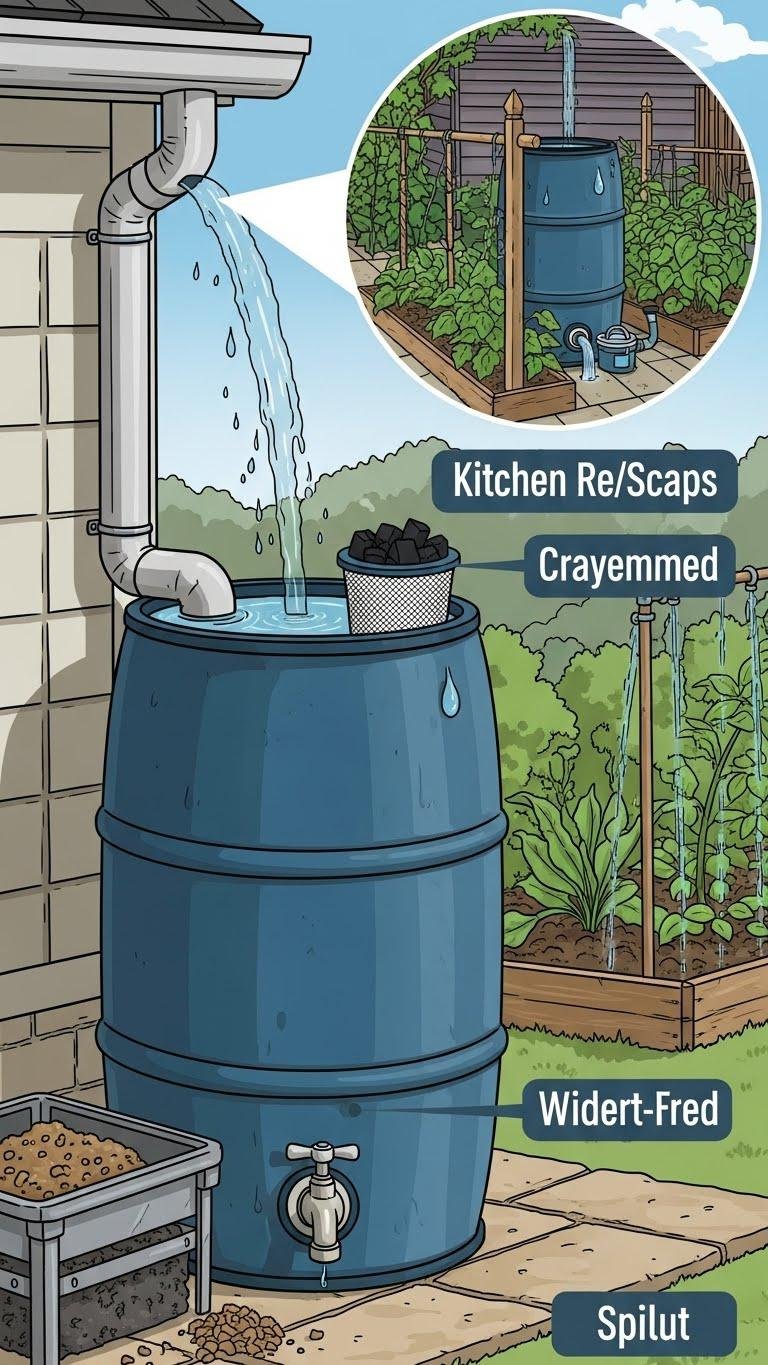
After you’ve been collecting kitchen scraps for compost, you’ll find that capturing rainwater from gutters is another smart way to reuse household resources and cut your water bill.
Convert old receptacles into a rainwater barrel with simple spigot fittings, add barrel filtration using mesh and charcoal, and think about barrel placement for gravity-fed irrigation.
You’ll save money and gain independence.
Newspaper-Lined Pot Moisture Retention
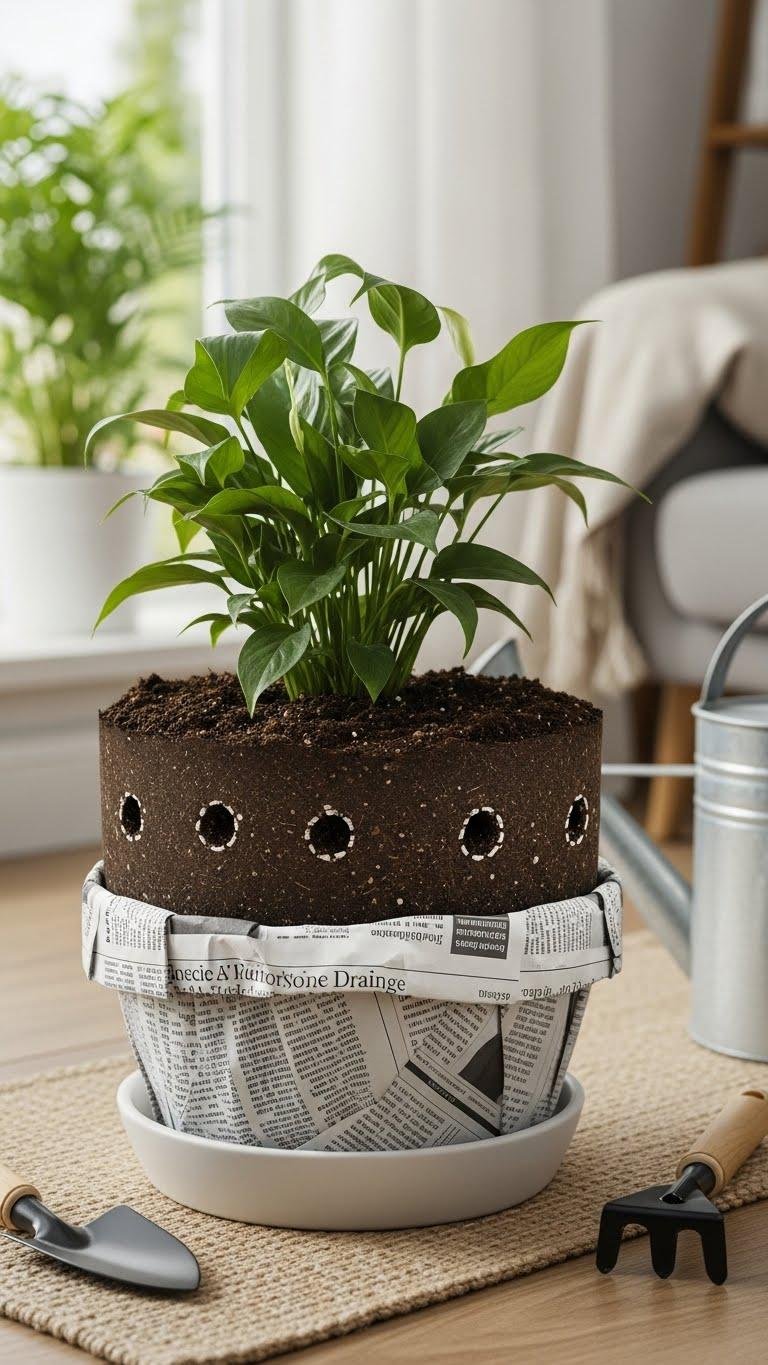
Often you’ll find that lining pots with crumpled newspaper gives plants a simple, low-cost way to retain moisture while improving drainage; just place a few sheets at the bottom before adding soil to slow evaporation, reduce potting mix loss through drainage holes, and create a breathable barrier that breaks down over time.
You can use newspaper mulch as a lightweight moisture barrier, saving water and resources while keeping control.
Cardboard Sheet Weed Barrier
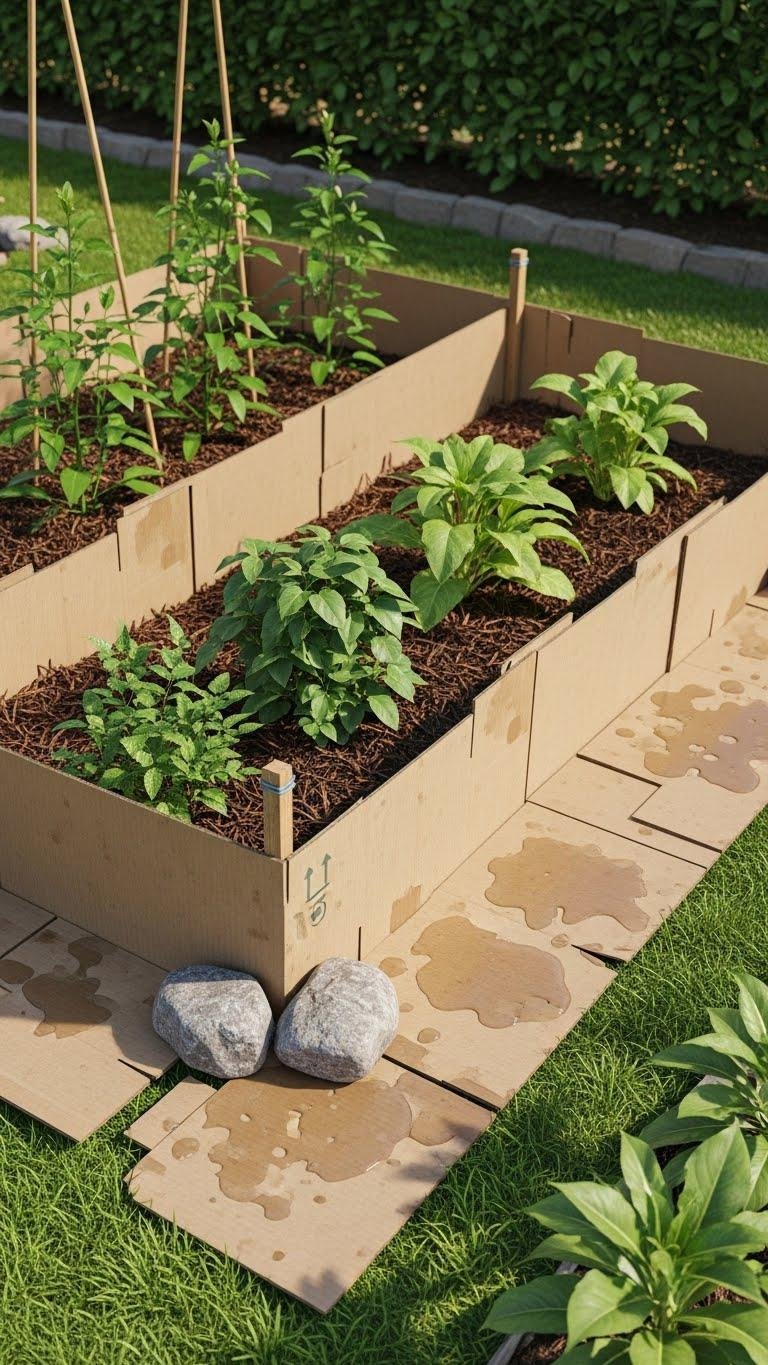
Paragraphs
Reused Pots for Plant and Habitat
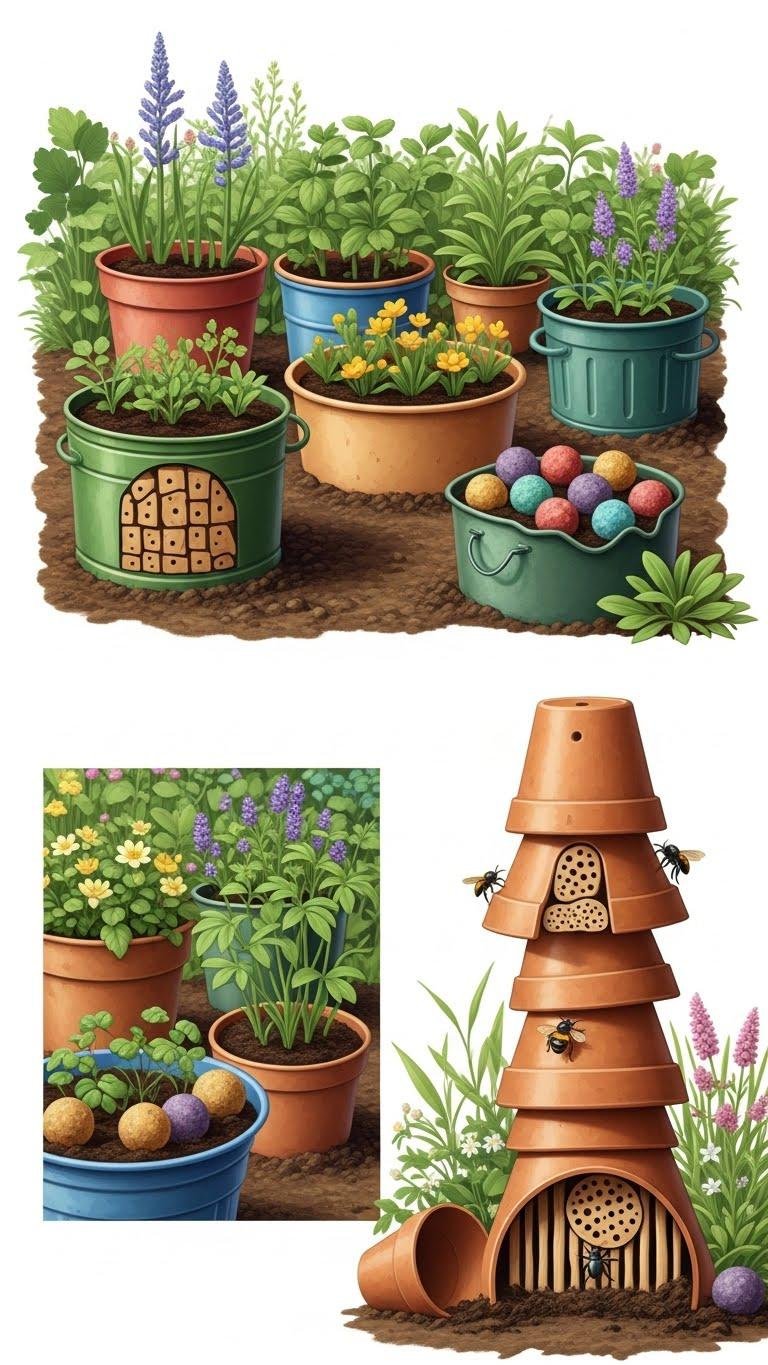
Now that you’ve cleared weeds and smothered beds with cardboard, you can repurpose old containers to give plants and wildlife a second life.
Turn mismatched pots into mini herb beds, soak and refill for seedbomb crafting, or stack sturdy vessels to form habitat hotels for solitary bees and beetles.
You’ll save money, reduce waste, and create a freer, self-reliant garden.
Garage Sale Treasures as Garden Décor
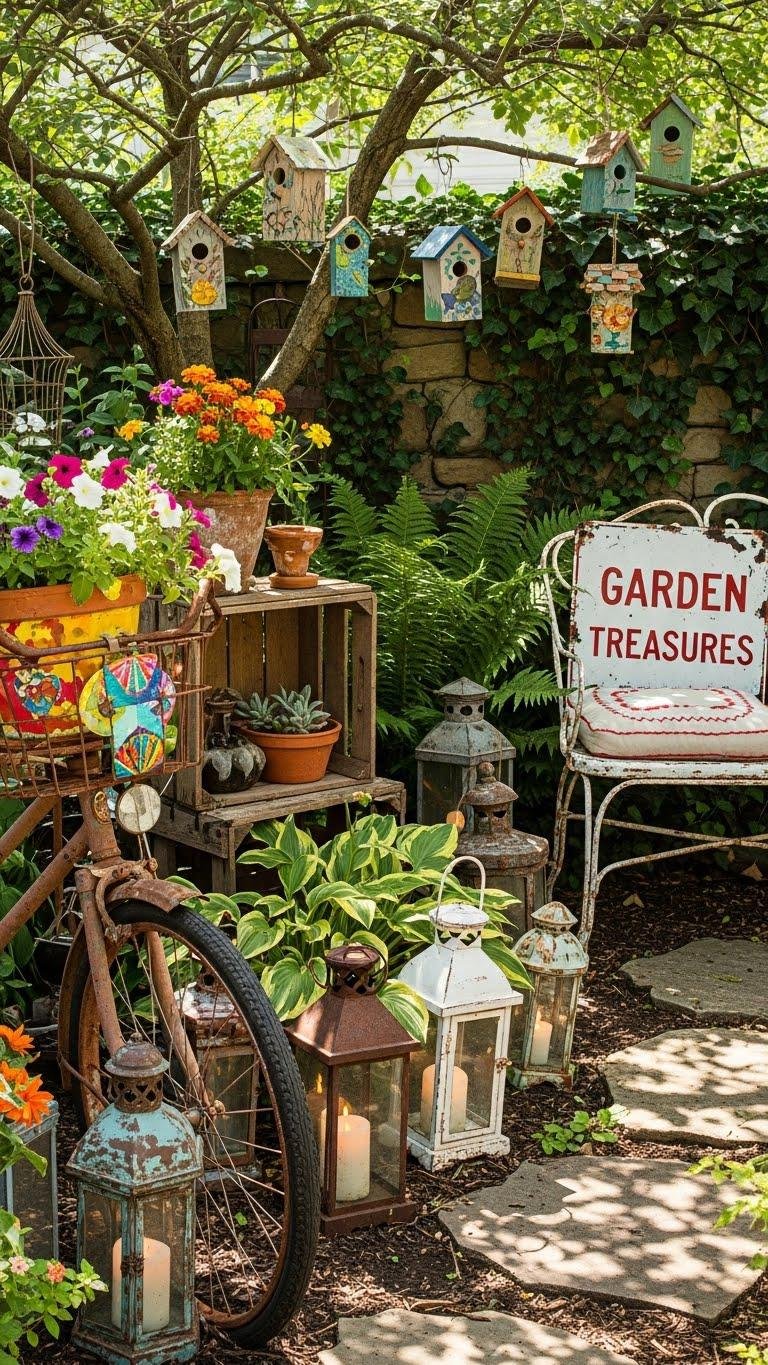
Hit up garage sales with a clear plan and you’ll find charming, affordable pieces that make your garden sing without costing the Earth.
You’ll scout for vintage signage to add character, repurpose a rusty bicycle as a planter, and grab mismatched metal, lanterns, or crates.
You’ll rescue, clean, and install items that free your style, cut waste, and save money while personalizing outdoor space.
Freecycle and Marketplace Material Sourcing
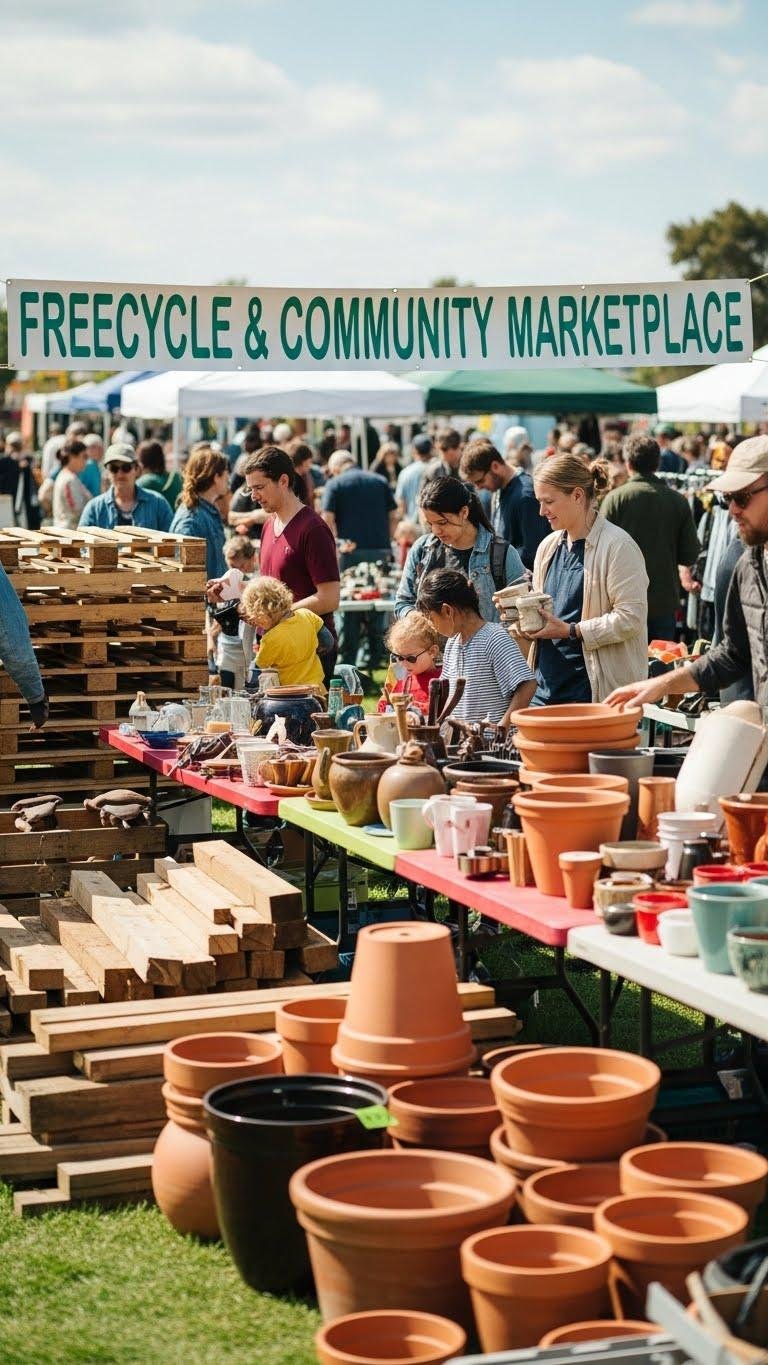
After scoring garage-sale finds, broaden your hunt to Freecycle, community marketplaces, and local buy-nothing groups where folks give away or sell materials for next to nothing.
You’ll scout community swaps for pallets, pots, and lumber, trade skills, and practice salvage etiquette: ask before taking, clean items, and offer thanks.
This keeps costs low, reduces waste, and frees you to create boldly.
Vertical Garden Using Reclaimed Supports
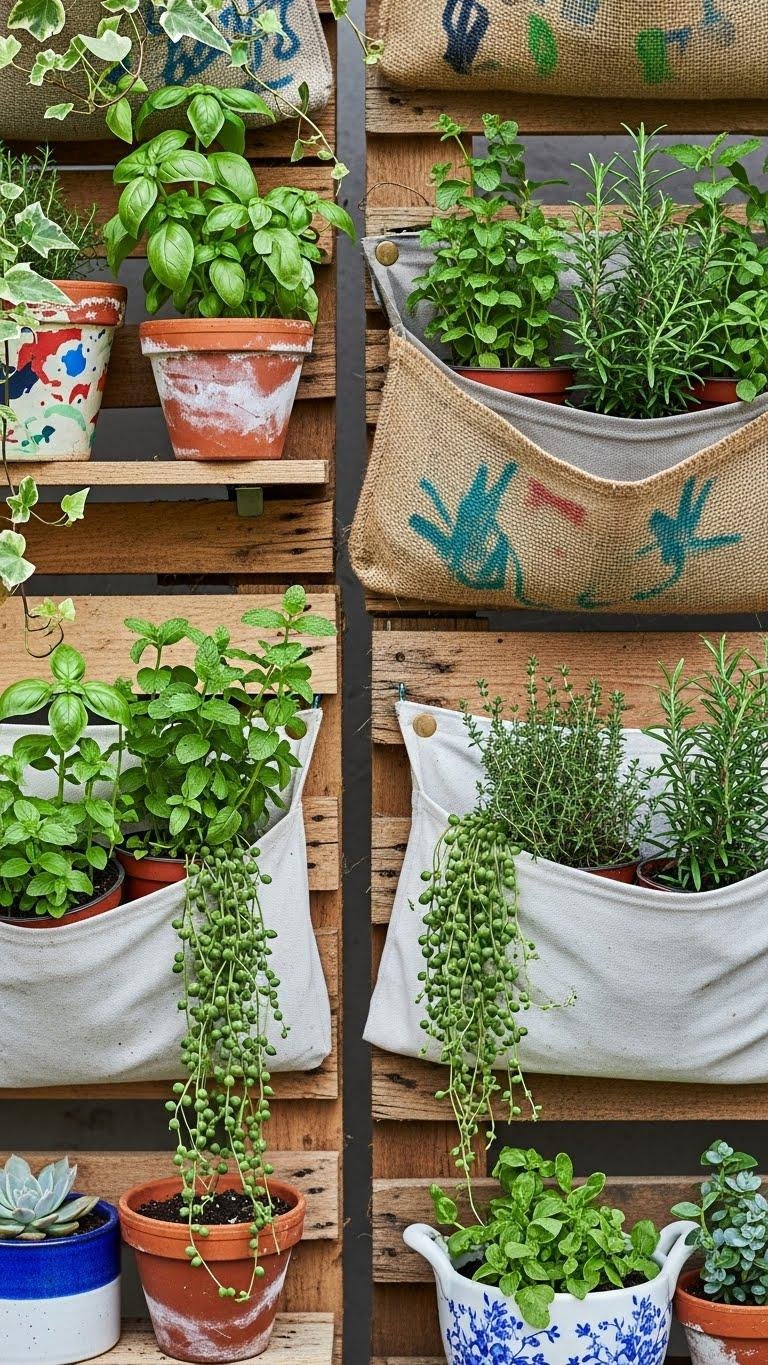
Think vertically and reuse what you already have: reclaimed supports like pallets, old ladders, broken shelving, and salvaged fencing give you ready-made structure for a compact, low-cost garden.
You can convert a reclaimed trellis into climbing space, mount gutter gardens for herbs, and secure pots or fabric pockets.
Work with found materials, save money, reduce waste, and reclaim your outdoor freedom.
Reused Materials for Bird Bath Features
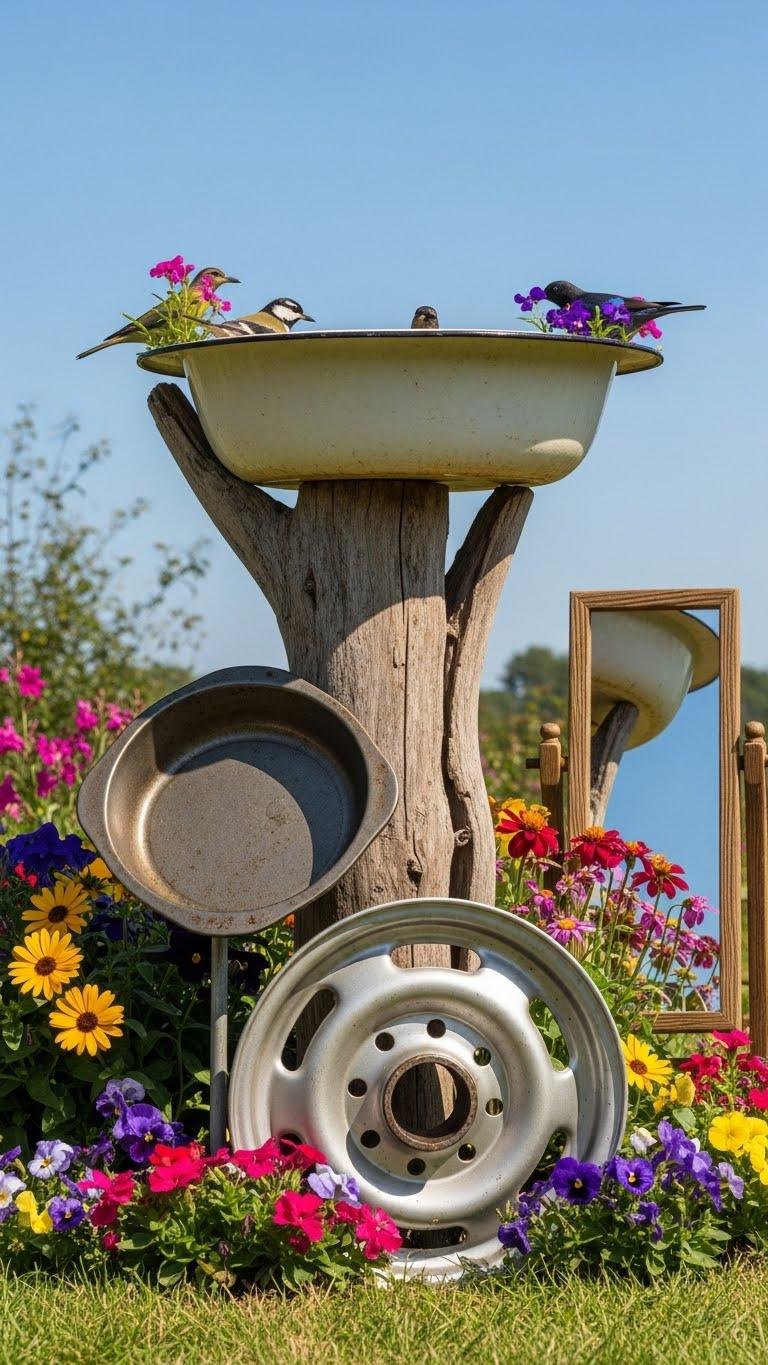
Create a bird bath from what you already have by repurposing old basins, saucers, wheel hubs, or a shallow baking pan to give birds a safe, attractive water source. You can mount a shallow bowl on a driftwood pedestal for natural charm or secure it to an upcycled mirrorstand for height. Seal edges, level it, and change water regularly to keep it clean and welcoming.
Repurposed Containers for Water-Saving Irrigation
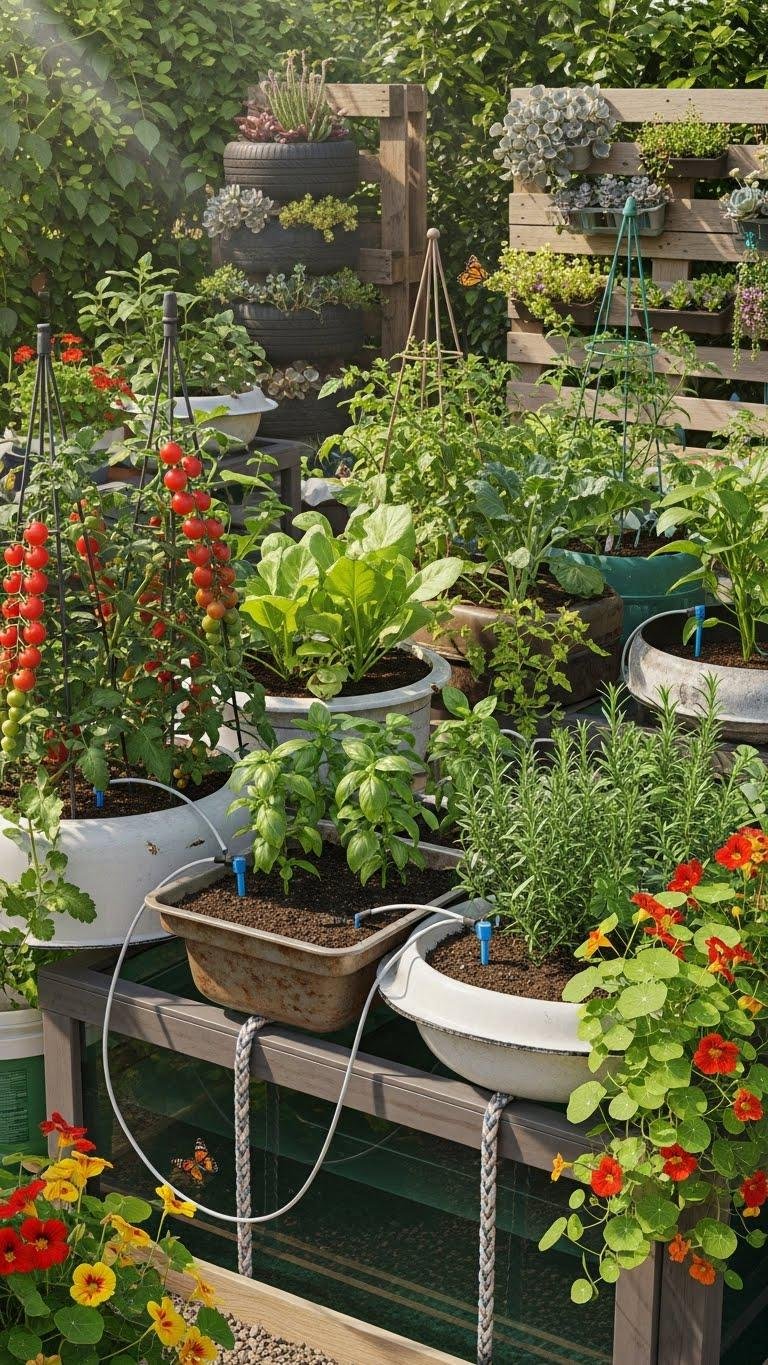
While a repurposed basin or baking pan makes a great bird bath, you can use similar containers to cut garden water use and keep plants thriving.
Turn tins or tubs into self-watering beds with capillary wicks feeding pots from reservoir layers.
Fit inexpensive drip emitters for targeted watering.
You’ll save water, money, and time while staying independent and creative in your garden.