
You can speed up plant growth with smart raised bed choices that warm, drain, and feed soil faster. Use shallow, narrow beds, high-organic mixes, focused fertility pockets, and clear low tunnels to jump-start planting, then control moisture with drip irrigation and mulch. Add barriers for pests, rotate crops, and monitor soil temp so you plant at the right time — and there are 24 specific ideas that make this practical and repeatable.
Warm-Up Your Soil With Raised Beds
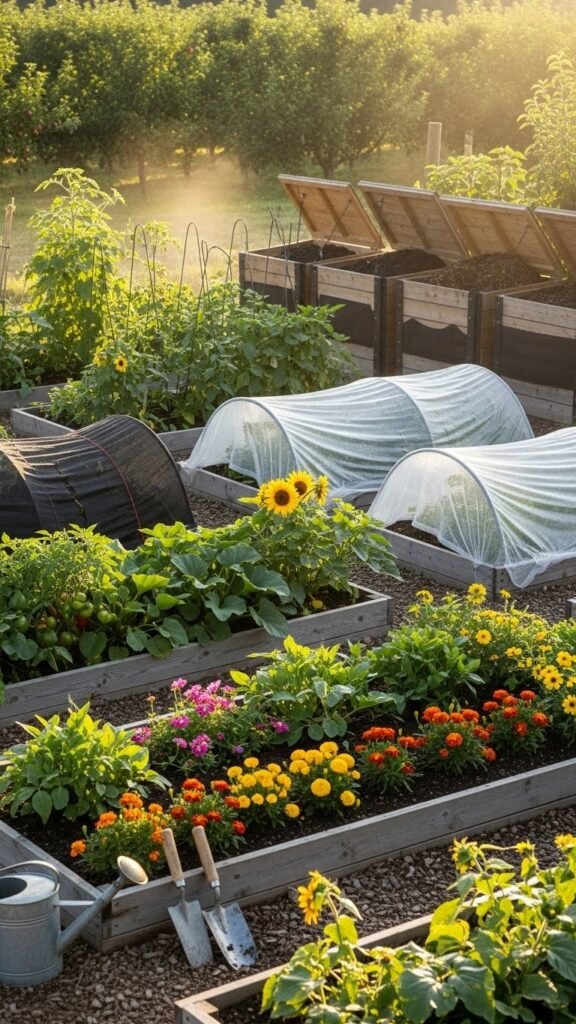
If you want to get an earlier, longer growing season, raised beds are one of the simplest tools you can use: they warm faster and drain better than in-ground beds, letting you plant sooner and avoid soggy root problems.
You’ll speed warming with soil solarization and thoughtful bed insulation, choose dark covers, and manage compost to free yourself from delays and maximize productive, independent growing.
Use High-Organic-Content Soil Mixes
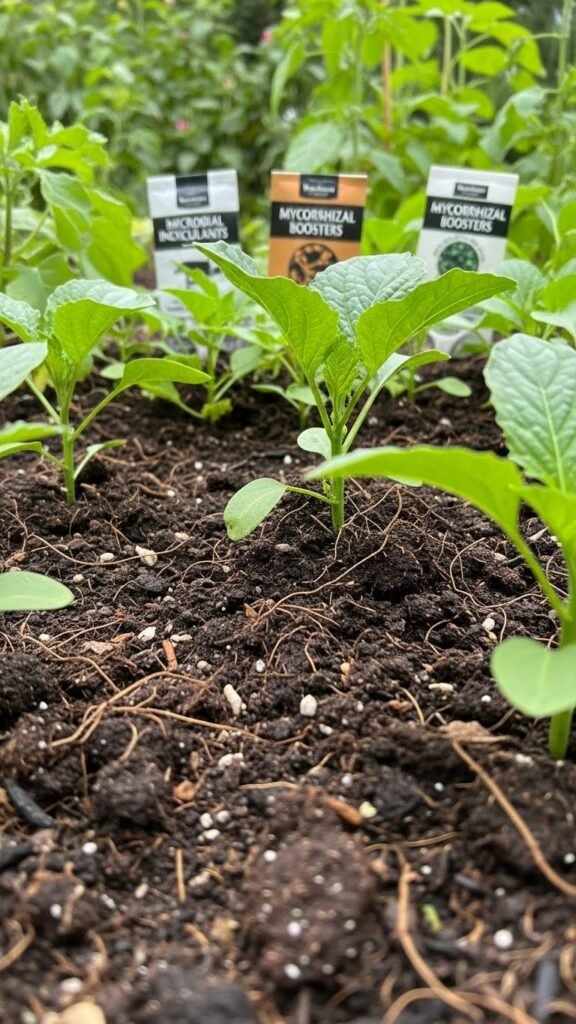
Choose a high-organic-content soil mix to give warm-season crops the moisture retention, nutrient release, and crumbly texture they need to thrive. You’ll blend compost, coconut coir, and aged manure, then add microbial inoculants and mycorrhizal boosters to jumpstart roots and nutrient uptake.
Work the mix loose, topdress annually, and you’ll free yourself from constant watering and fertilizer battles while accelerating growth.
Install Clear or Low Tunnels for Early Planting
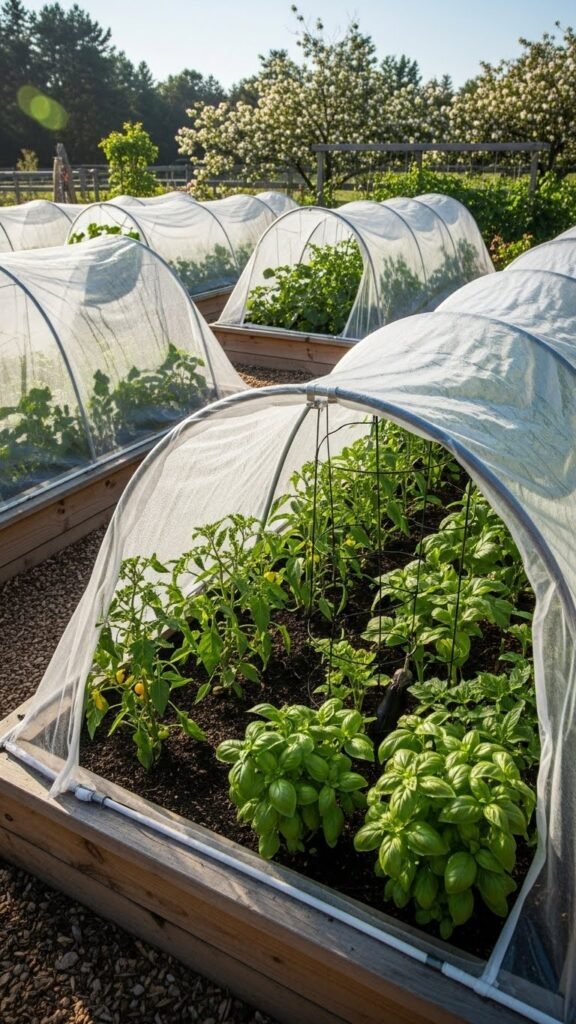
When you install clear or low tunnels over your raised beds, you’ll extend the growing season by protecting young warm-season crops from late frosts and cool nights while accelerating soil warming; these simple hoop structures trap solar heat, block wind, and create a stable microclimate so you can transplant earlier and get a jump on yields.
Use transparent covers or greenhouse tunnels, ventilate daily, and secure edges against wind.
Add Compost Top-Dressing Regularly
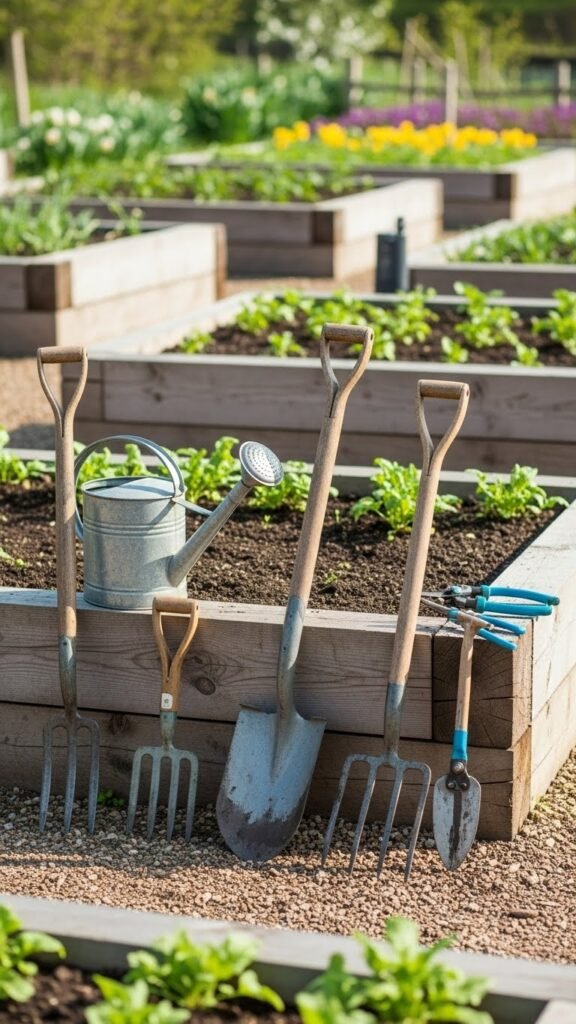
Regularly spread a thin layer of compost over your raised beds to feed soil life, improve structure, and supply steady nutrients for growing plants. Do a seasonal application—early spring and midseason—to replenish reserves without disturbing roots.
You’ll encourage microbial activation, boost water retention, and suppress weeds. Apply modestly, fork lightly to blend, and enjoy faster, freer harvests from healthier, self-sustaining soil.
Tailor Soil Texture for Optimal Root Penetration
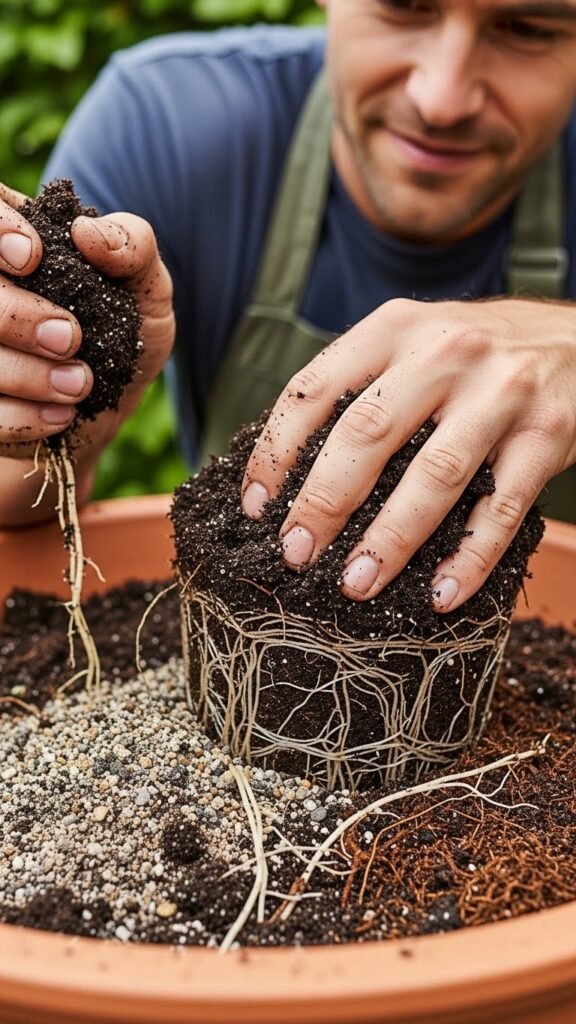
Although soil fertility matters, root health starts with the right texture: mix loose, crumbly loam with enough coarse material so roots can push through, access air, and find water without compacting.
You’ll practice loam balancing and deliberate particle sizing: add sand or fine gravel to heavy soils, organic matter to light soils, then test firmness. Adjust until roots penetrate easily and you’re free to plant confidently.
Plant Densely With Square-Foot or Block Methods
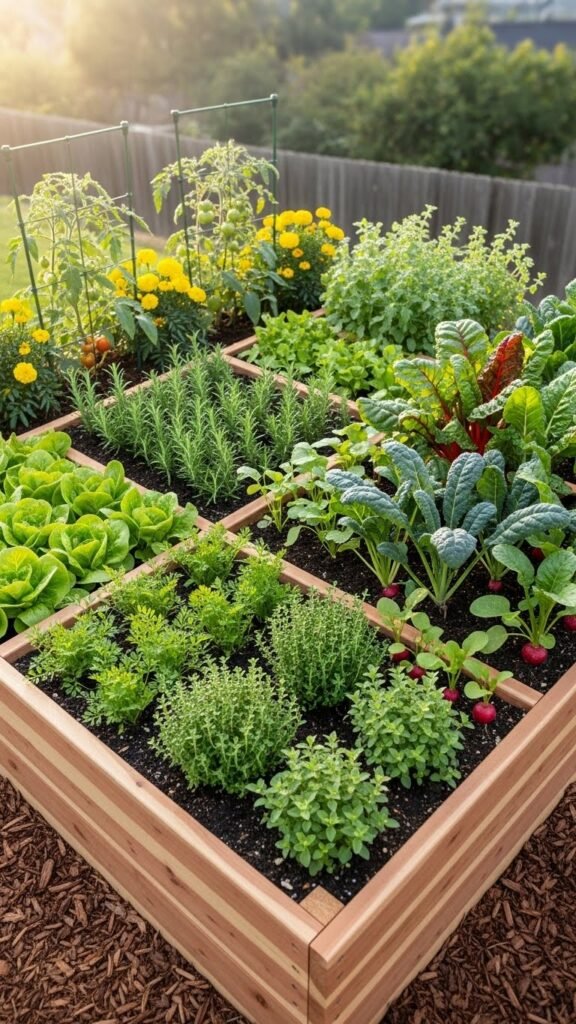
Often you’ll get far more produce from the same raised bed by planting in tight, organized patterns like square-foot or block methods, which maximize space, suppress weeds, and simplify maintenance.
You’ll plan using microclimate mapping to place heat- or shade-loving crops, use companion pairing to deter pests and boost growth, and move freely with tidy beds that reward disciplined, high-yield choices.
Implement Succession Planting and Intercropping

Staggering your sowing and pairing quick-maturing crops between slower ones keeps beds productive from spring frost to fall chill. You’ll use relay sowing to replace harvested plants and maintain steady yields. Polyculture pairing boosts pest resistance and resource use, so mix root, leaf, and trellis crops. Plan timings, harvest in phases, and trust succession to maximize freedom and continuous harvests.
Use Drip Irrigation for Consistent Moisture
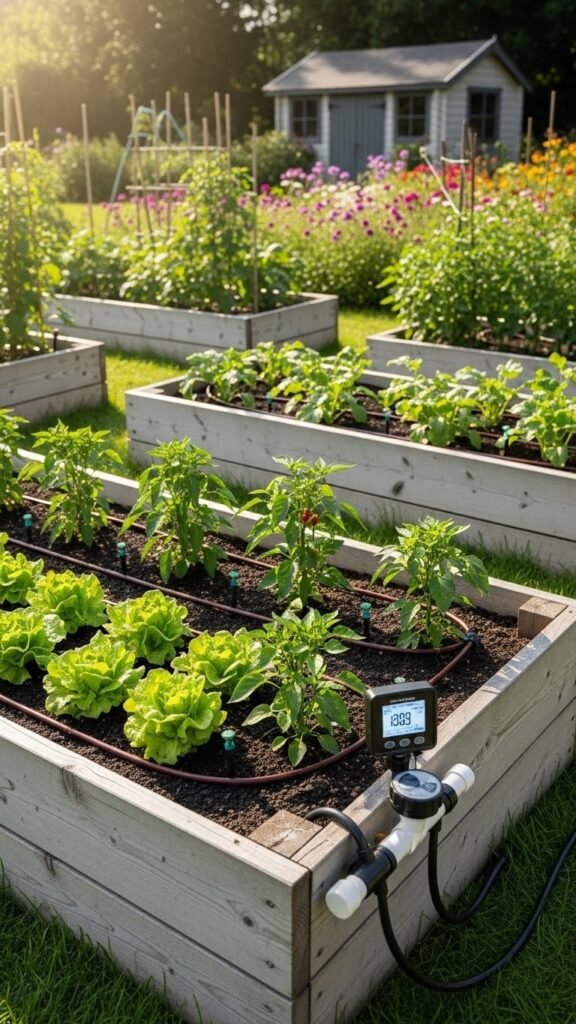
Because raised beds drain and warm faster than in-ground rows, you’ll want a watering method that delivers steady moisture right to the roots — and drip irrigation does that efficiently.
Install fiber dripline along plant rows, plan emitter placement near root zones, and run timers for consistent cycles. You’ll conserve water, reduce disease, and free yourself from daily watering chores while keeping growth vigorous.
Mulch Beds to Stabilize Soil Moisture and Temperature
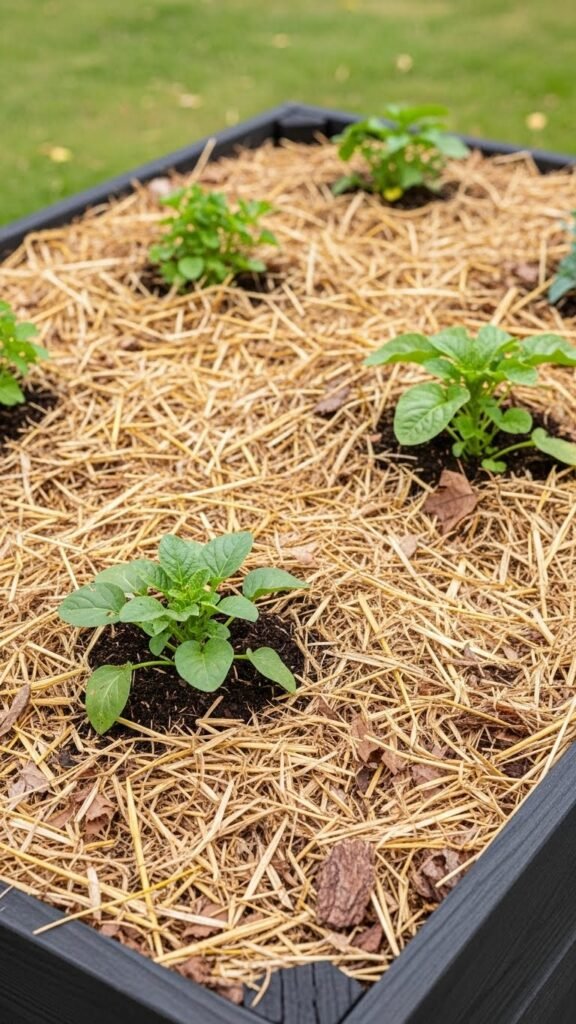
Mulching your raised beds seals in moisture and buffers soil temperatures so plants experience fewer stress swings; spread a 2–4 inch layer of organic mulch like straw, shredded leaves, or composted bark, keeping it a couple inches away from stems to prevent rot.
You’ll reduce watering frequency, suppress weeds, and promote moisture buffering while preserving freedom to shape beds and rotate crops.
Edge Beds to Reduce Pest and Weed Entry

Keeping moisture close to roots helps plants stay vigorous, but you also have to protect those beds from unwanted invaders.
Create defined edges with gravel edging and low border plants to block weeds and deter slugs. Install a shallow trench or hardware cloth beneath the edge to stop burrowing pests. Maintain clear pathways so you can access beds freely and control intruders fast.
Start With Pathogen-Free Fill and Fresh Compost
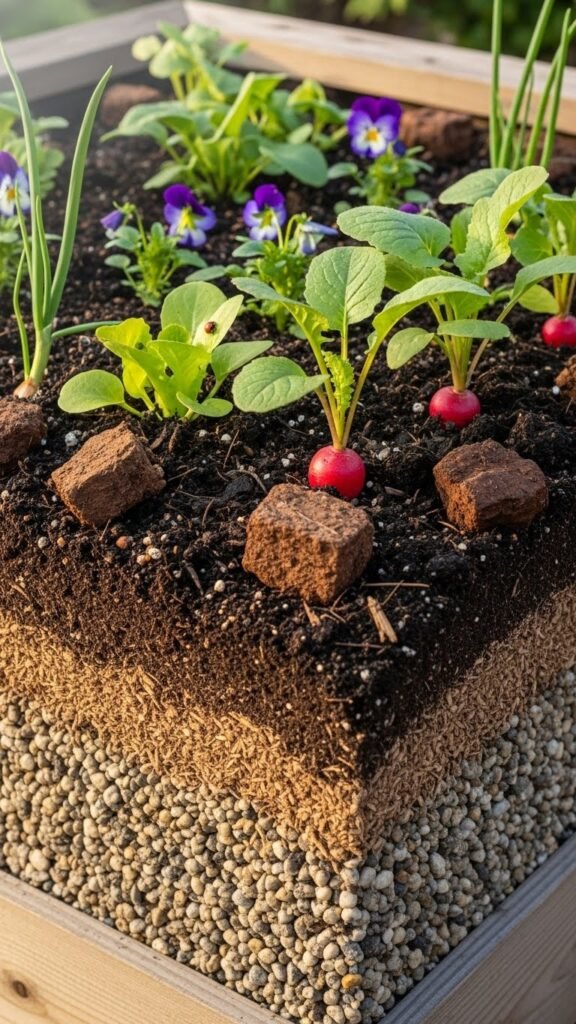
Start by filling your raised beds with pathogen-free soil mix and fresh, well-aged compost so you don’t inherit diseases or weed seeds from the start.
You’ll choose sterilized potting blend or a vetted seed free composting product, then layer for drainage, aeration, and nutrient balance.
This gives you control, faster establishment, and freedom from recurring soil-borne problems.
Use Vertical Supports and Trellises to Maximize Space

Once you’ve set up clean, well-balanced soil, don’t let precious horizontal space go to waste—use vertical supports and trellises to multiply your planting area.
You’ll install sturdy posts, espalier training frames, and vertical netting to guide vines and fruiting branches upward. This frees ground space, improves airflow, reduces pests, and lets you garden boldly with efficient, high-yield beds.
Limit Bed Width for Easier Access and Faster Care
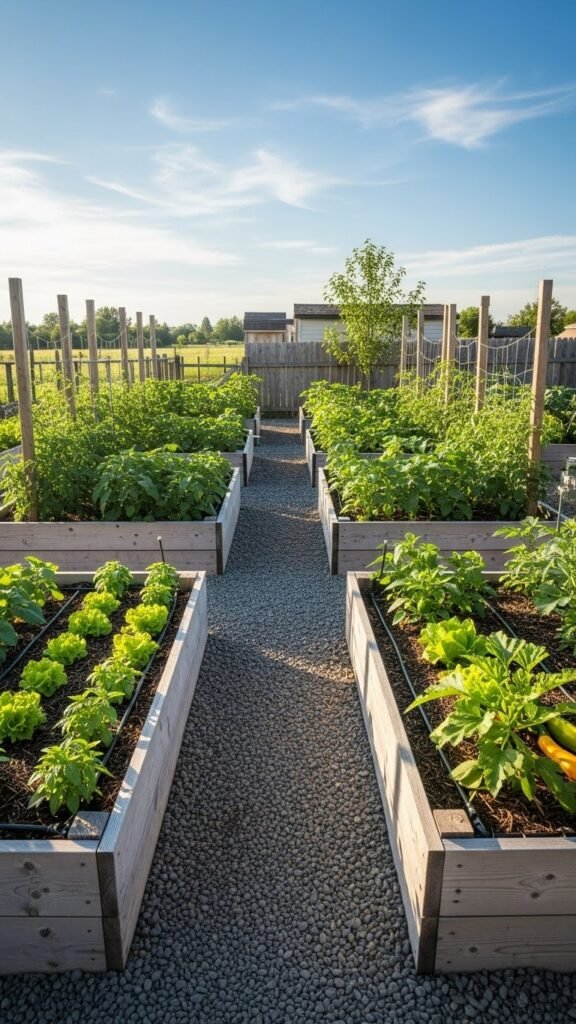
Having your beds run north–south helps plants get even light, but you also want bed widths that let you reach the center without stepping on the soil.
Keep beds narrow so you create narrow pathways and maintain ergonomic reaches for planting, pruning, and harvesting. That reduces compaction, speeds routine care, and gives you more freedom to tend plants quickly and comfortably.
Test Soil and Apply Targeted Amendments Before Planting

Why test your soil before planting? You’ll know pH, nutrient gaps, and soil biology health so you can act deliberately. Test kits or labs guide micronutrient boosting and organic amendments. Apply lime, sulfur, compost, or targeted minerals to correct deficiencies.
That focused prep speeds growth, reduces failures, and gives you freedom to plant confidently, harvesting stronger, faster results.
Choose Fast-Maturing Cultivars and Transplants
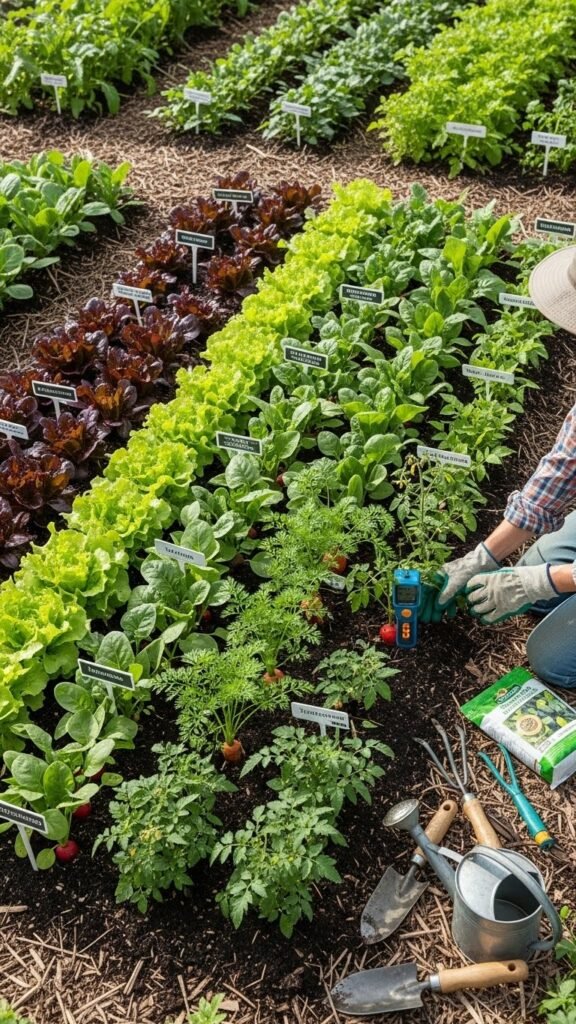
Prioritize fast-maturing cultivars and healthy transplants to get reliable harvests from raised beds with shorter growing windows. Choose hybrid varieties and open-pollinated types for predictable timing; select plug seedlings that are stocky, root-bound-free, and disease-free.
Plant at ideal spacing, harden off transplants, and monitor moisture. That way you’ll maximize yield, shorten time-to-harvest, and keep your garden choices freeing and efficient.
Use Cold Frames or Cloches for Early Seedlings
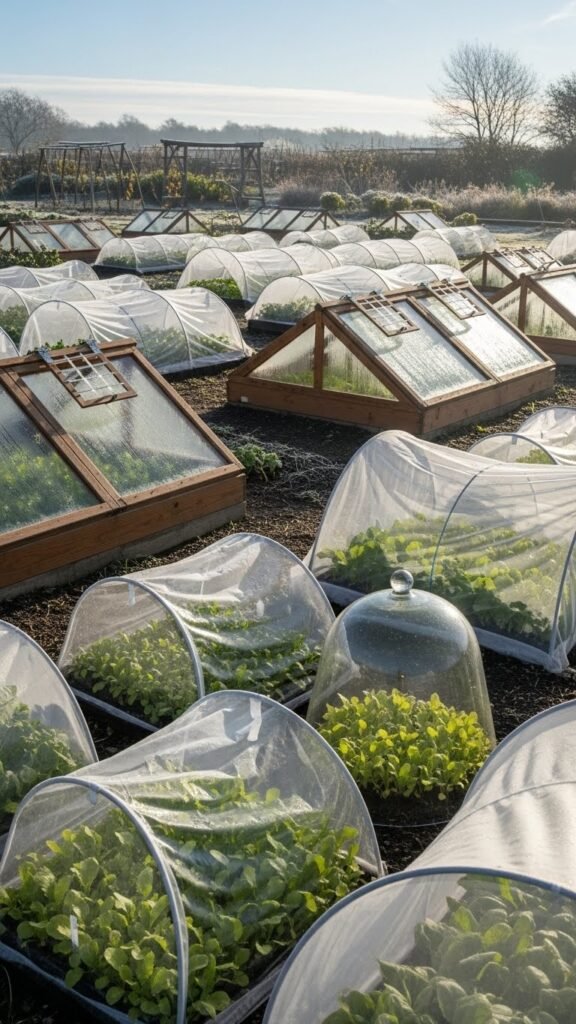
Fast-maturing varieties and sturdy transplants get you a head start, but protecting those young plants from late frosts and cool nights will push harvests even earlier. Use cold frames or cloches to extend your season: control temperature, shade, and ventilation for early hardening and seedling acclimation.
You’ll move seedlings outdoors sooner, reduce loss, and keep autonomy over timing and success.
Create Focused Fertility Zones for Efficient Feeding
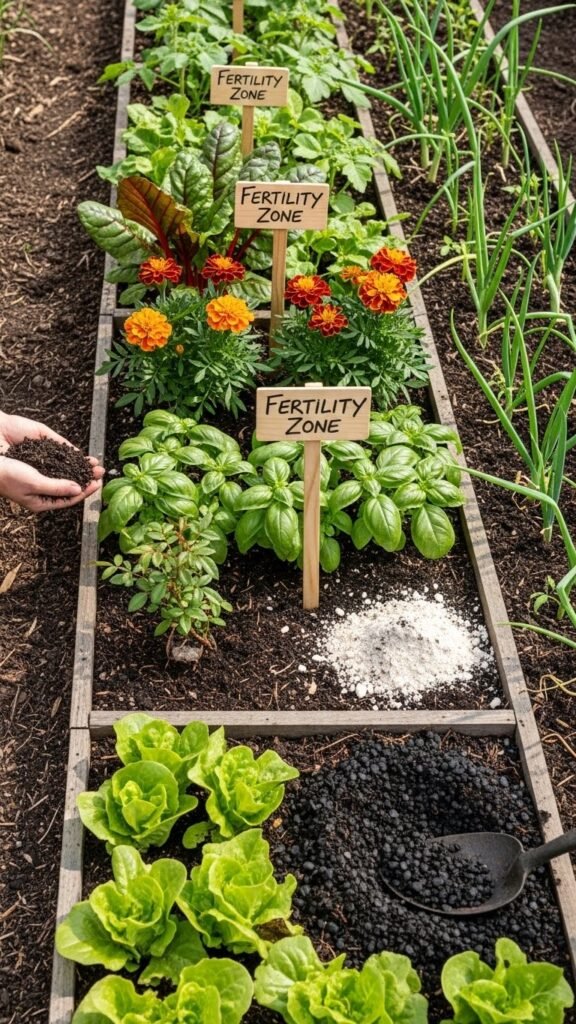
Zone in on feeding by creating small, concentrated fertility pockets where your heaviest feeders grow, so you can target nutrients without overworking the whole bed.
You’ll set up microbial hotspots with compost, bone meal or worm castings, and use nutrient zoning to keep adjacent plants lean.
This focused approach saves inputs, boosts yields, and frees you to expand or rotate crops confidently.
Manage Drainage to Prevent Waterlogging Stress
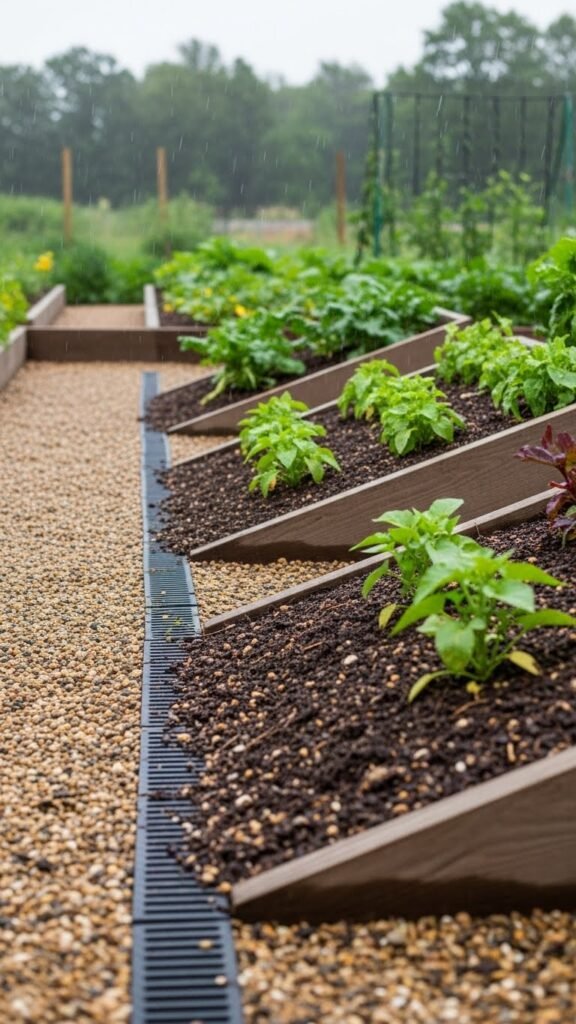
Don’t let water pool in your beds — excess moisture suffocates roots, spreads disease, and cuts yields. You’ll guarantee root aeration by blending coarse material, adding compost, and creating a graded slope for runoff.
Use raised height, angled beds, and quick-draining mixes so you control moisture without overwatering. Monitor after storms and amend low spots to keep plants healthy and free to thrive.
Install Physical Barriers and Row Covers for Pest Control
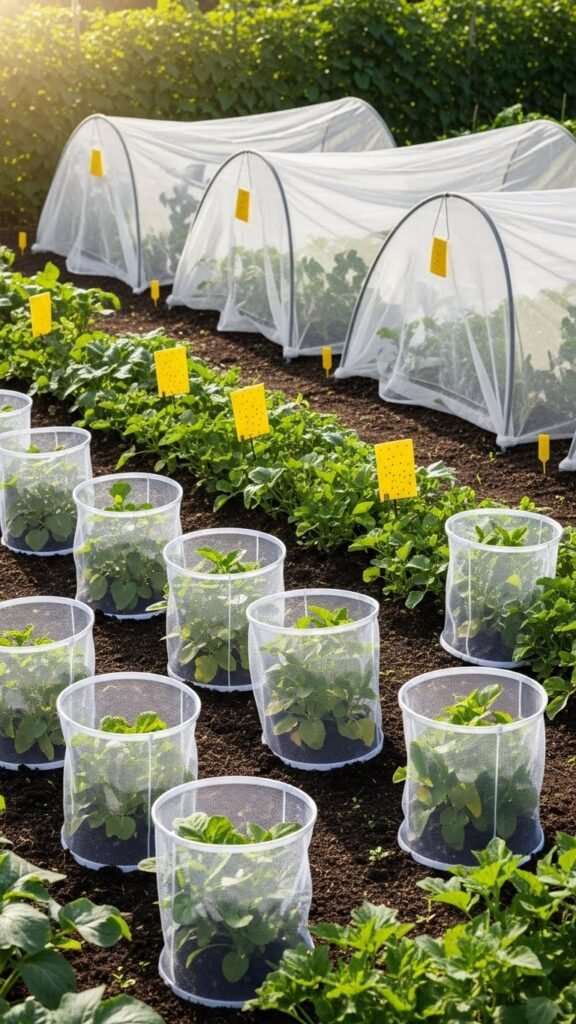
Schedule Timely Watering and Fertilization for Peak Growth
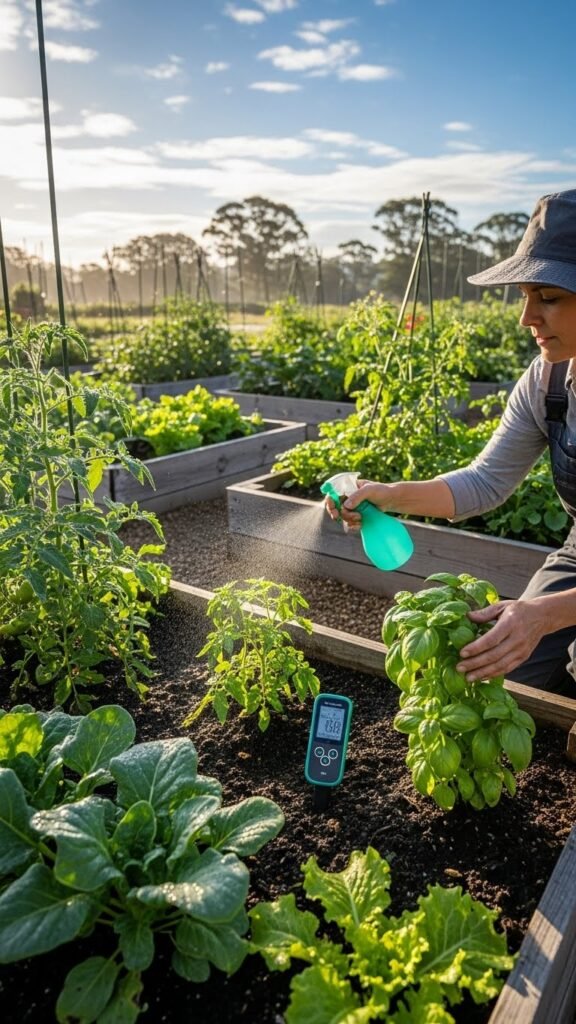
Regularly check soil moisture and feed on a predictable schedule so your plants get what they need when they need it; consistent watering and timely, balanced fertilization are the backbone of peak growth in raised beds.
Water in the morning watering window to reduce evaporation and disease, and use targeted foliar fertilization during growth spurts.
Track routines, adjust for weather, and stay hands-on.