
You can design a rainbow garden that mixes flowers, edibles, bulbs and foliage for color, texture and pollinator value. Start with bold reds like geraniums and petunias, add orange marigolds and poppies, layer sunflowers and daffodils for yellow, tuck in green chard and coleus for foliage contrast, then finish with blues, purples and whites for depth. I’ll show plant choices, placement tips and seasonal care so you can plan the best layout.
Petunias (Red)
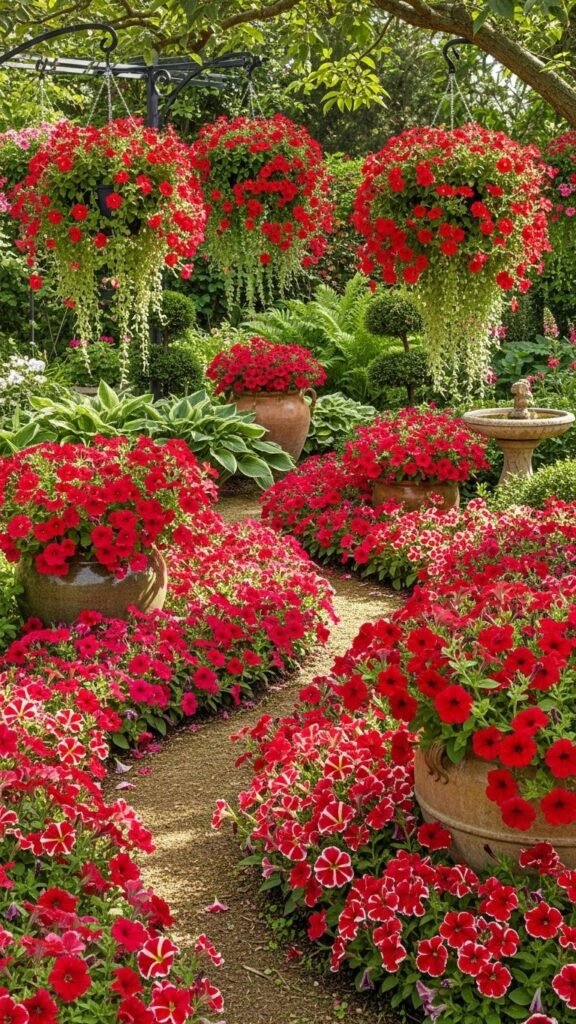
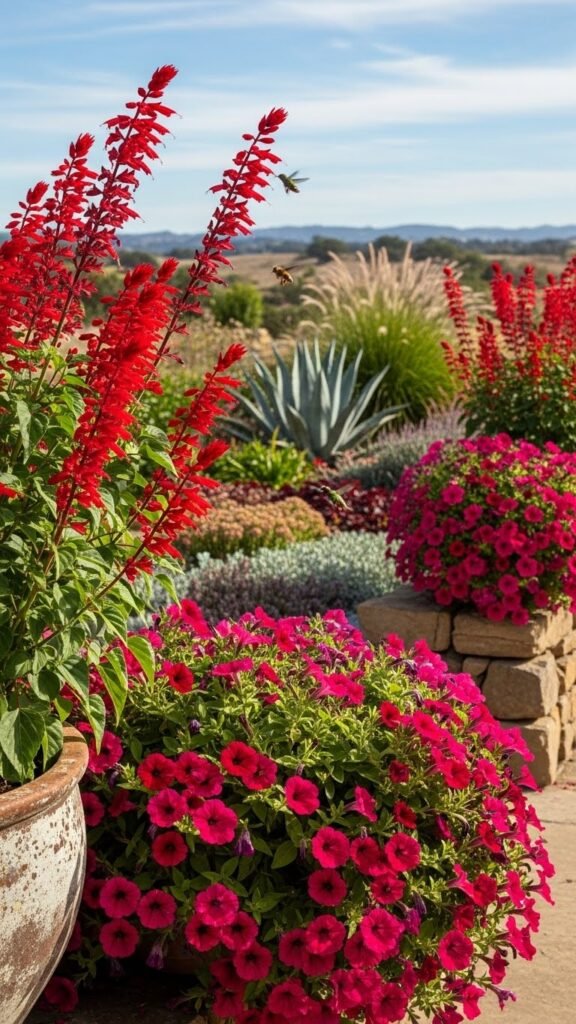
Fill beds, containers, or hanging baskets with red petunias for an instant, long-lasting burst of color that’s easy to manage. You’ll choose compact container varieties for portability or trailing types for dramatic drape.
Deadhead regularly, water deeply, and feed monthly. New fragrance breeding gives scented options without sacrificing vigor, so you can create bold, low-maintenance displays that suit your free, flexible garden style.
Salvia (Red)
Tomatoes (Red)
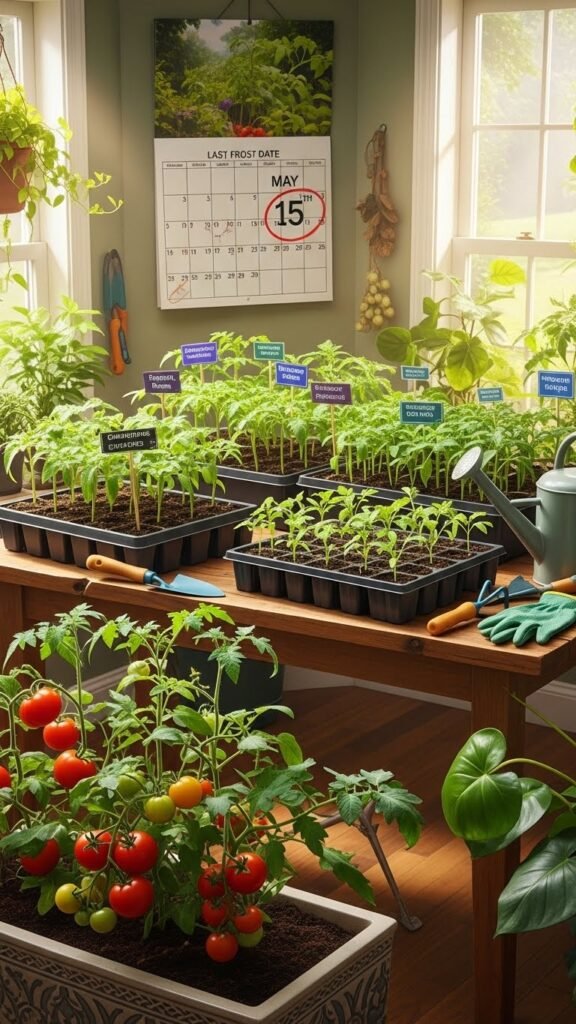
Start seeds indoors 6–8 weeks before your last frost or set out sturdy transplants once nights stay above 50°F, and choose indeterminate or determinate varieties based on the space and harvest style you want.
You’ll favor heirloom varieties for flavor, use container cultivation when space’s limited, practice companion planting for pests, and select cultivars with strong disease resistance to keep your freedom to harvest.
Strawberries (Red)
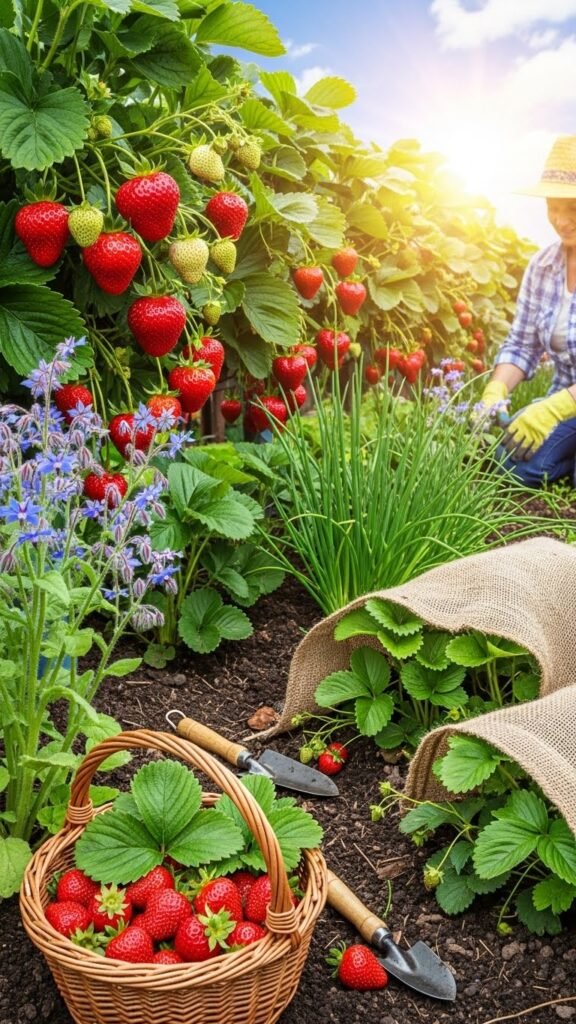
Moving from tomatoes to strawberries, you’ll find a different rhythm: strawberries reward steady care with early planting, consistent moisture, and plenty of sunlight.
You’ll choose sites that drain, select heirloom varieties for flavor, and pair beds with companion planting like borage or chives to deter pests.
Harvest often, protect crowns in winter, and enjoy fresh fruit that frees you from store-bought monotony.
Marigolds (Orange)

Often overlooked for their simplicity, marigolds bring reliable, long-lasting color and pest-deterring power to your garden.
You’ll use them for companion planting around vegetables and herbs, where their scent and compounds act as natural pest deterrents.
They require little fuss, tolerate heat, and let you garden boldly—adding structure, seasonal orange blooms, and practical protection while keeping your beds free and purposeful.
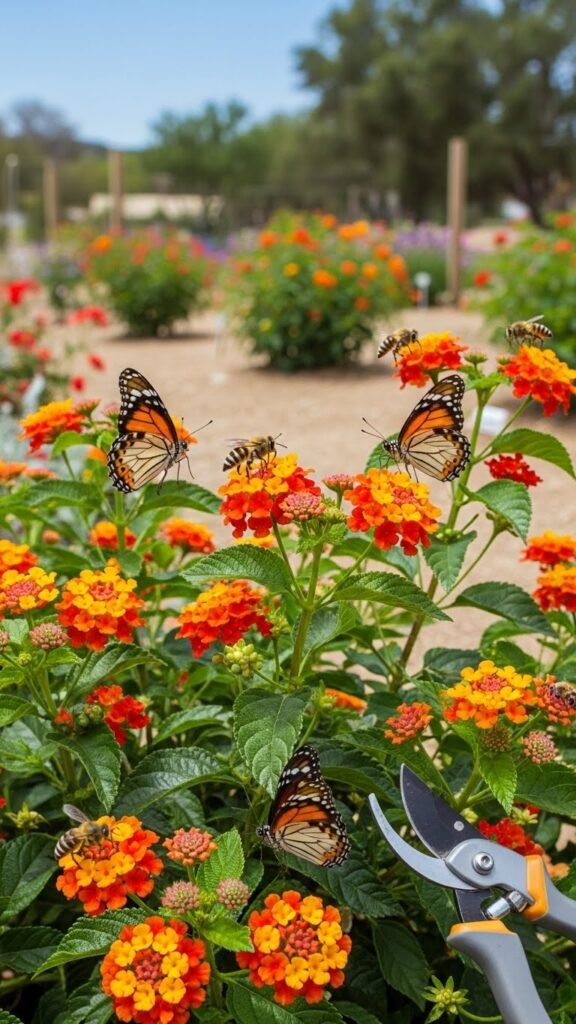
Lantana (Orange)
Carrots (Orange)
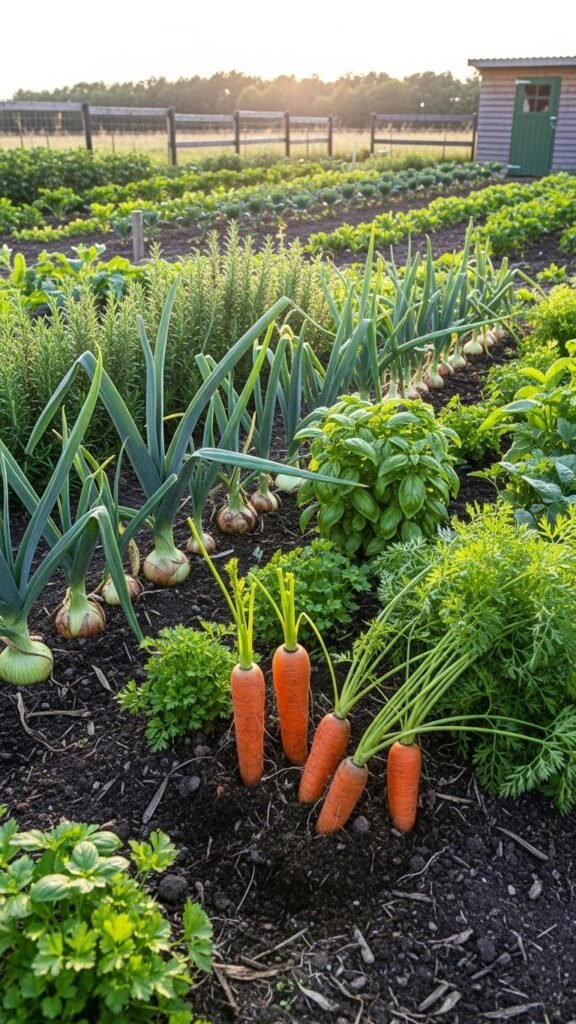
Crunchy and sweet, orange carrots reward your careful soil prep with reliable, high-yield roots that store well and taste best when harvested at the right size.
You’ll choose heirloom varieties for flavor and seed saving, sow successionally, and thin seedlings to free roots. Practice companion planting with leeks, onions, and herbs to deter pests and maximize space while keeping your garden independent and productive.
Nasturtium (Orange)
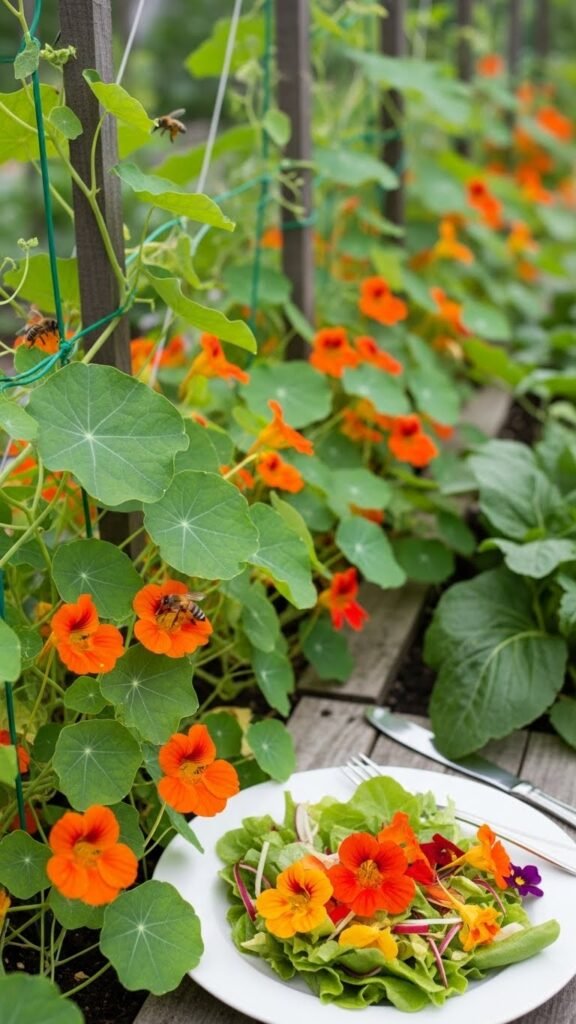
Tuck orange nasturtiums along beds and trellises to add bright, edible blooms that attract pollinators and deter aphids; their peppery leaves and flowers make a lively garnish and companion for many vegetables.
You’ll use them in companion planting to suppress pests and enrich soil microhabitats, while harvesting edible flowers for salads and garnishes.
They’re low-maintenance, fast-growing, and free you to design bold, productive borders.
California Poppy (Orange)
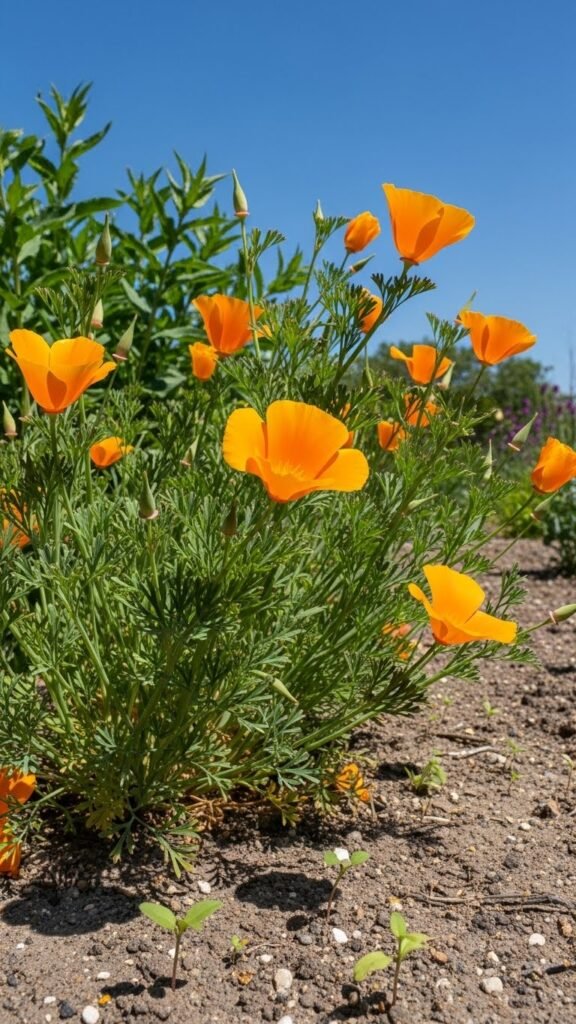
Moving from the edible brightness of nasturtiums, welcome the California poppy for orange impact that’s both ornamental and wildlife-friendly.
You’ll appreciate its drought tolerance and connection to native habitat; plant seeds in open sun and monitor seedling care for thin, well-drained soil.
Expect predictable bloom timing in spring and early summer, then allow reseeding to sustain spontaneous future displays.
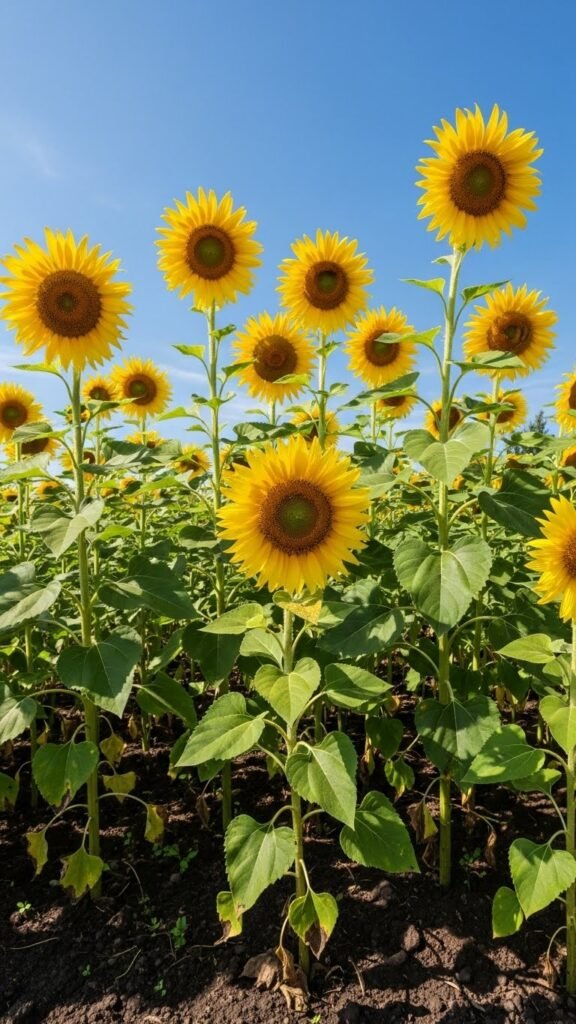
Sunflowers (Yellow)
Daffodils (Yellow)
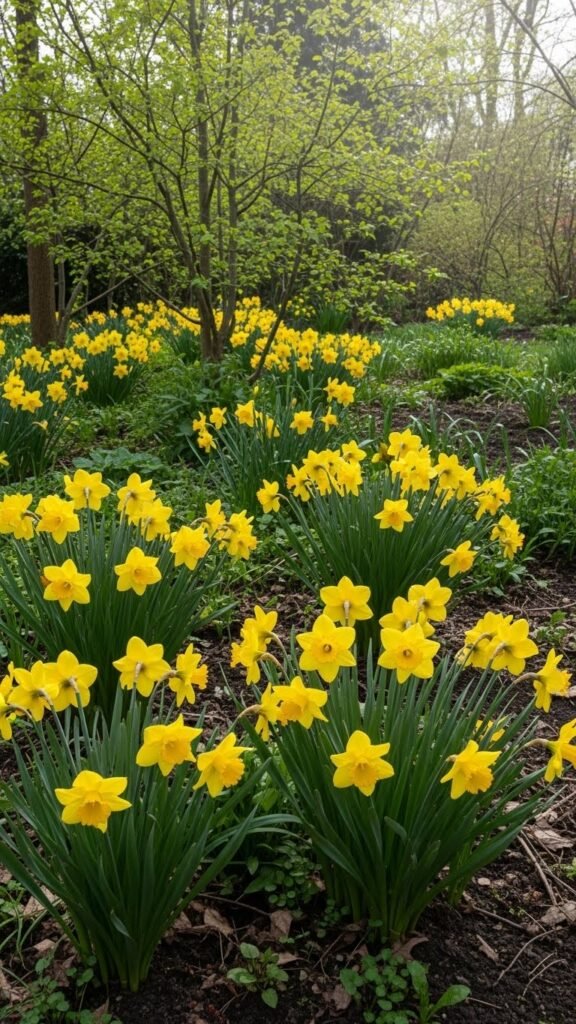
After enjoying the towering cheer of sunflowers, you’ll find daffodils bring a different kind of yellow to the garden—compact, early-blooming bulbs that signal spring. You’ll plant bulbs confidently, spacing and depth guided by soil and sun.
Their reliable spring emergence rewards low-maintenance gardeners seeking cheerful freedom; naturalize beds, cut back spent foliage, and enjoy bright, repeatable displays that require little fuss.
Coreopsis (Yellow)
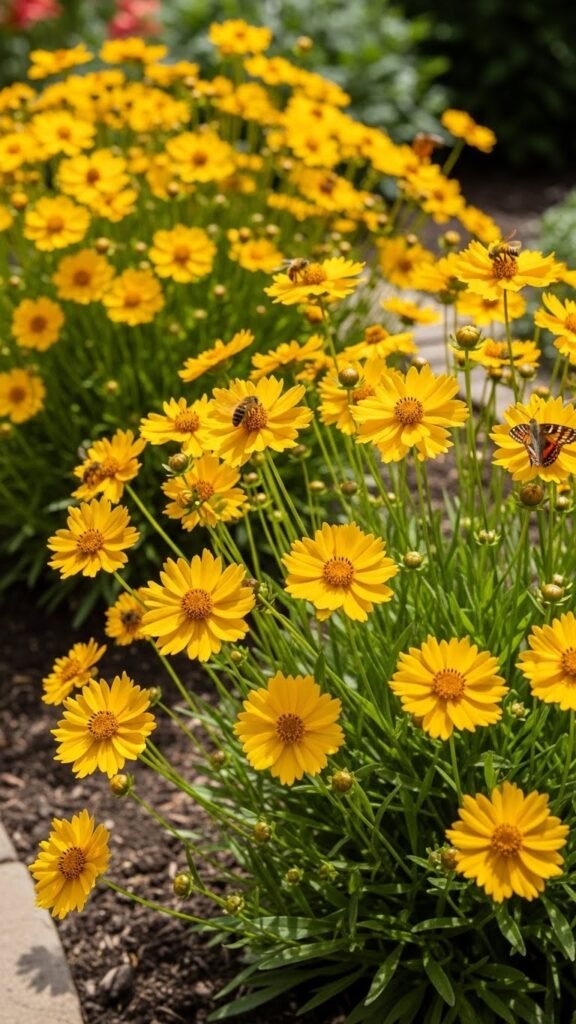
A burst of butter-yellow, coreopsis brightens borders and containers with long-blooming, daisy-like flowers that attract pollinators and tolerate heat and drought. You’ll choose it for effortless color, low maintenance, and strong drought tolerance.
Plant in well-drained soil, give full sun, deadhead spent blooms to extend display, and enjoy reliable pollinator attraction while freeing yourself from constant care.
Rudbeckia (Yellow)

Like coreopsis, rudbeckia brings bold, butter-yellow blooms that grab attention and keep pollinators busy, but it offers a taller, more architectural presence with sturdy stems and larger, cone-centered flowers.
You’ll appreciate its low-maintenance habit: rudbeckia attracts native pollinators, tolerates heat, shows notable drought tolerance, and seeds freely. Plant it for structure, long bloom, and the freedom to shape wild, sunny borders.
Yellow Peppers (Yellow)
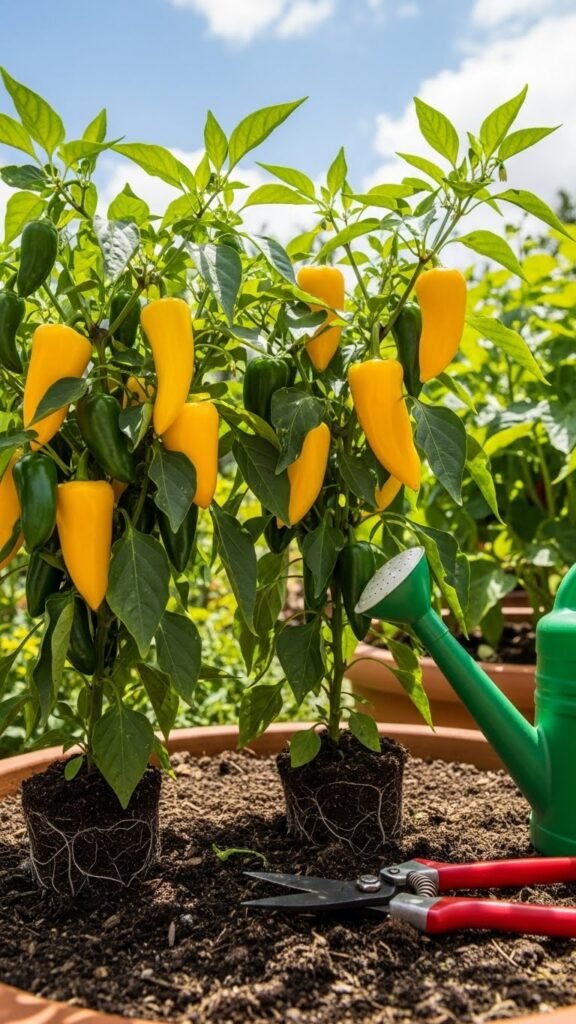
With glossy, sunshine-colored fruits that pop against dark foliage, yellow peppers give you big visual payoff and versatile harvests from the same compact plants.
You’ll enjoy container cultivation or bed planting, choosing fertile, well-drained mix and full sun. Prune for airflow, water consistently, and practice simple pest management to protect fruit. Harvest frequently to encourage more pods and freedom to savor fresh flavor.
Broccoli (Green)
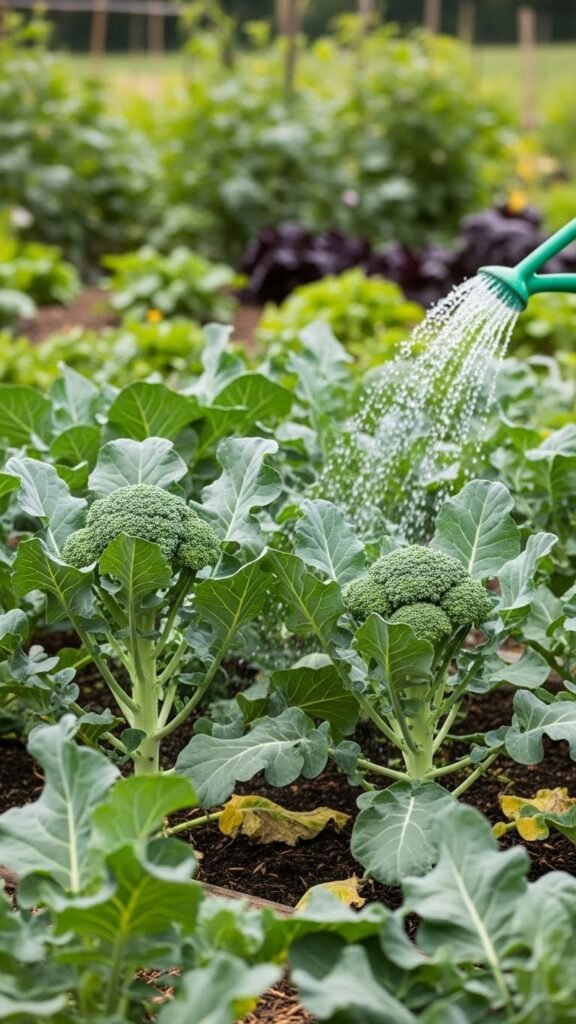
Plant broccoli for a reliable, cool-season harvest that rewards you with crisp, nutrient-dense heads and tender side shoots. You’ll choose heirloom varieties for flavor and resilience, space plants for airflow, and water consistently.
Rotate beds, apply organic pest management, and harvest centrally to encourage side shoots. These steps let you grow abundant, independent crops that fit a self-reliant garden lifestyle.
Swiss Chard (Green)
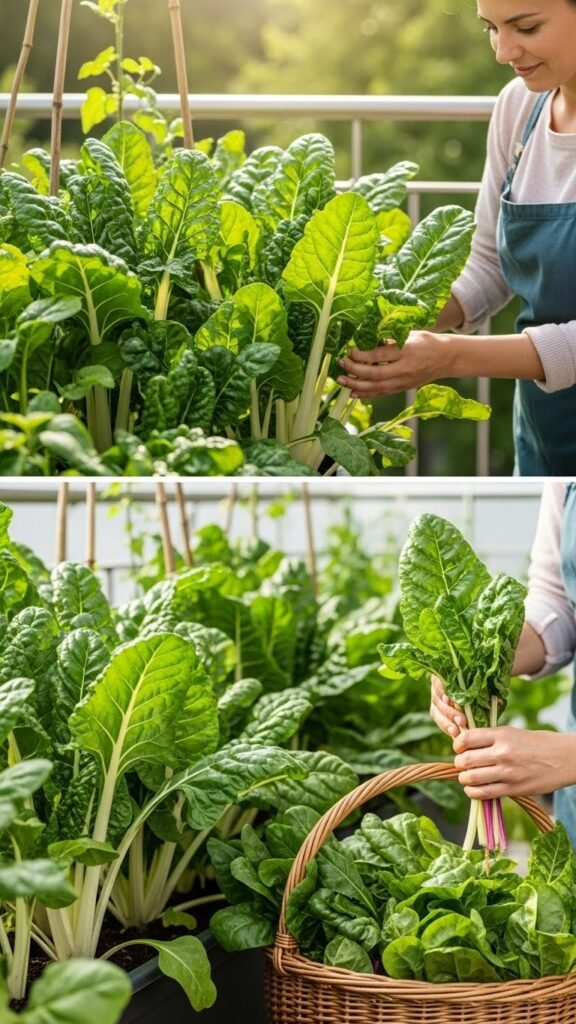
Turn to Swiss chard when you want a hardy, high-yield leafy green that keeps producing all season. You’ll harvest tender leaves for salads, sautés, and storage, enjoying clear nutrition benefits like vitamins A, C, and potassium.
It tolerates partial shade, resists bolting, and suits container cultivation, letting you grow freedom-focused food on balconies or small plots with minimal fuss.
Coleus TerraScape Solar Fire (Green)
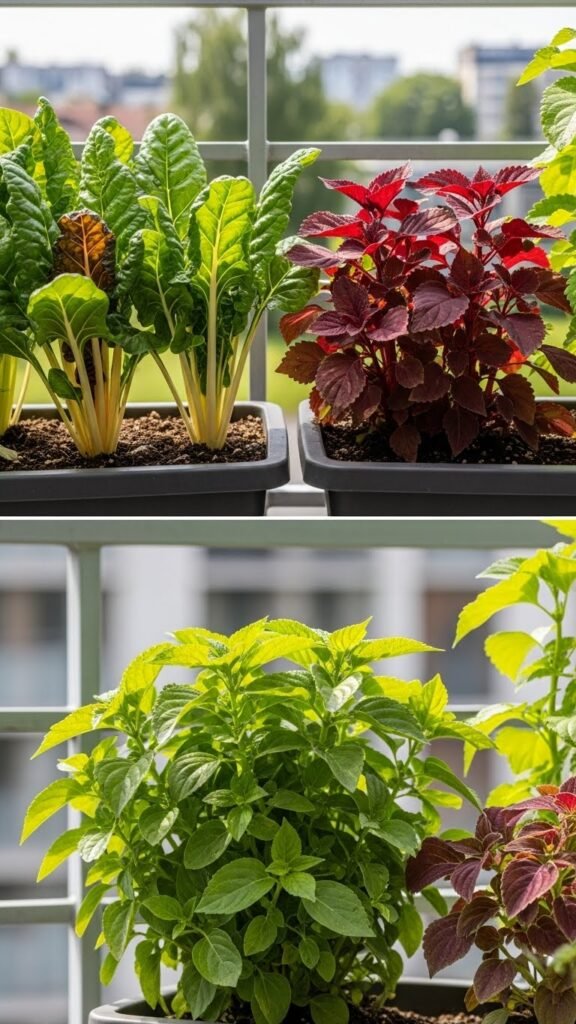
While Swiss chard gives you dependable greens for the kitchen, you can bring bold color and texture to the same balcony with Coleus TerraScape Solar Fire (Green). You’ll appreciate strong shade tolerance, easy propagation techniques like cuttings, and reliable pest resistance. Use light soil amendment for drainage and nutrients, then place containers where you can move plants freely for peak color and growth.
Parsley (Green)
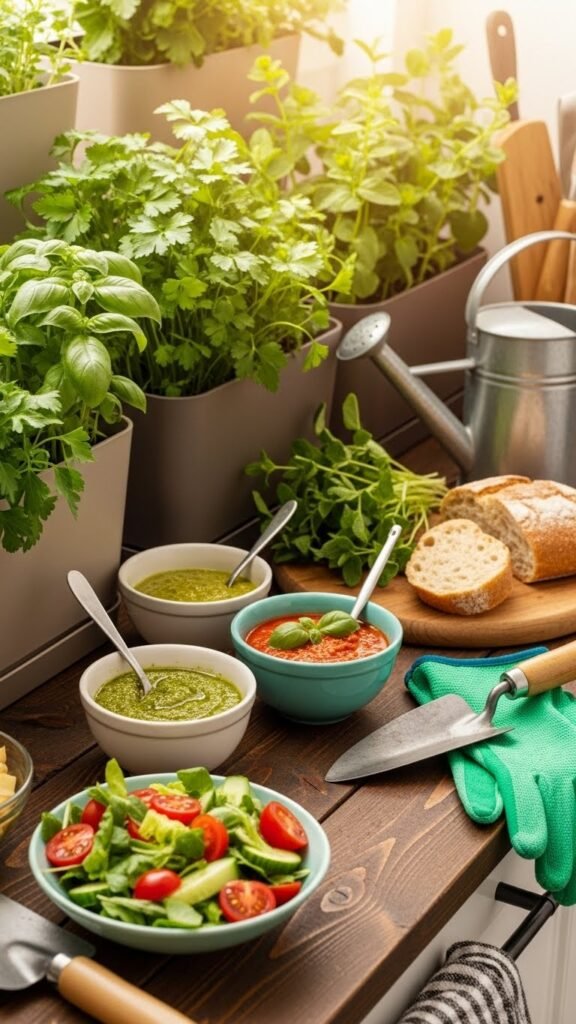
Add fresh, bright flavor to your balcony kitchen with green parsley, a compact herb that thrives in containers and tolerates both sun and partial shade.
You’ll harvest repeatedly for sauces, salads, and garnishes—culinary uses that reward regular snipping.
Practice simple container gardening: well-drained soil, consistent watering, and occasional feeding.
Parsley gives you dependable, fragrant greenery that supports independent, joyful cooking.
Lobelia (Blue)
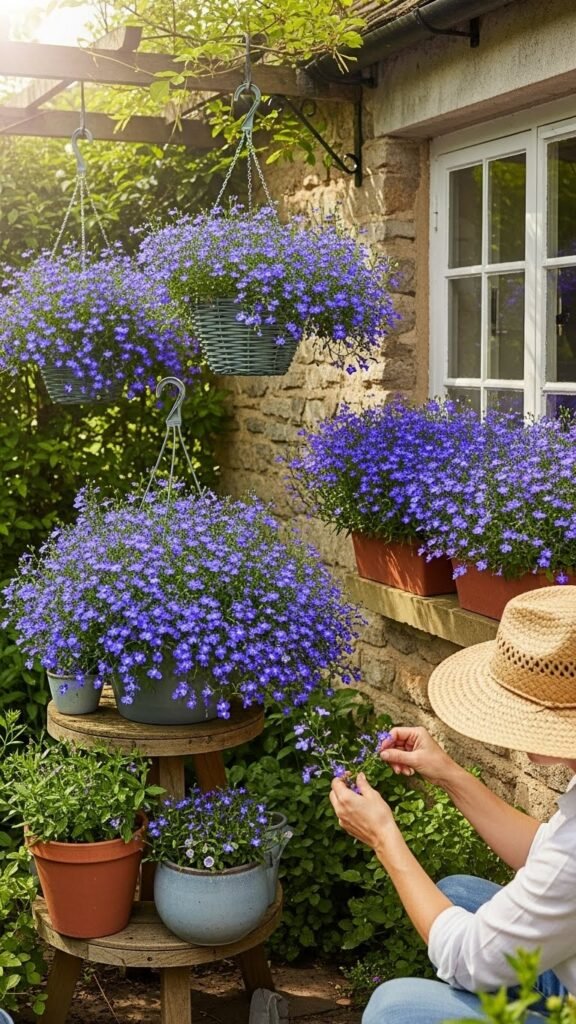
Lobelia brings a cool wash of blue to containers and edging, and you’ll find its delicate flowers draw the eye while staying compact and manageable. You’ll choose container lobelia for window boxes or hanging pots, enjoying low-maintenance color. In dappled spots, shade loving lobelia thrives, letting you design liberated, relaxed corners. Pinch spent blooms to prolong bloom and maintain tidy growth.