
You’ll set up a compact, efficient home nursery that actually gets things grown and out the door. I’ll show practical layouts for seed stations with LEDs and heat mats, potting benches with sinks and storage, zones for succulents, shade plants and natives, plus propagating, soil‑testing and hardening‑off areas. You’ll learn how to streamline succession sowing, irrigation and labeling so plants thrive — and what to prioritize first to save time and money.
Seed‑Starting Station Setup
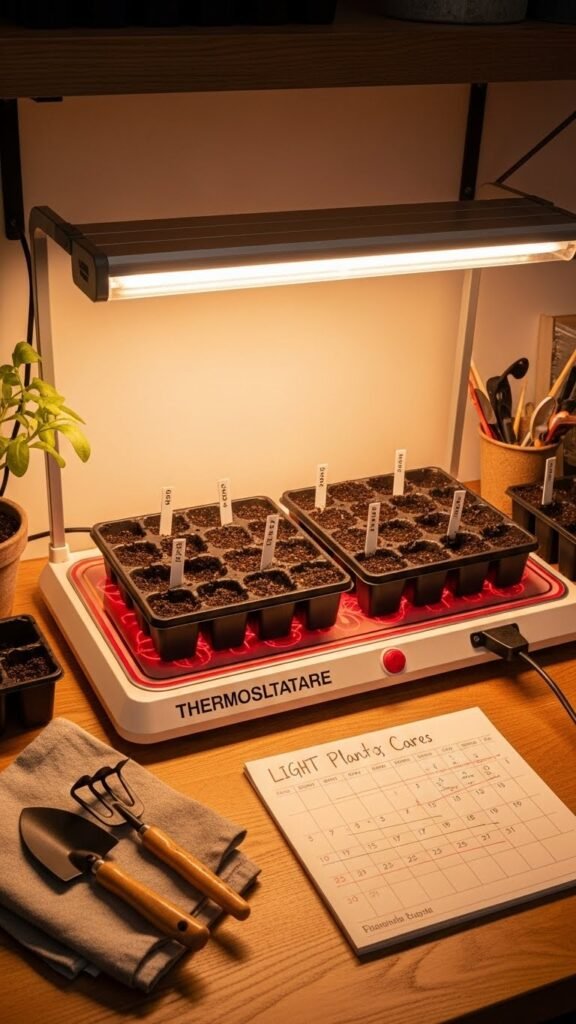
When you set up a seed‑starting station, organize it around consistent light, warmth, and drainage so your seedlings get the precise conditions they need to germinate and grow strong.
You’ll choose lighting strategies that mimic daylight, place thermostatic heat mats for steady warmth, guarantee trays drain freely, and implement strict label organization.
You’ll keep tools minimal, schedules simple, and results predictable.
Container Nursery and Potting Bench Design
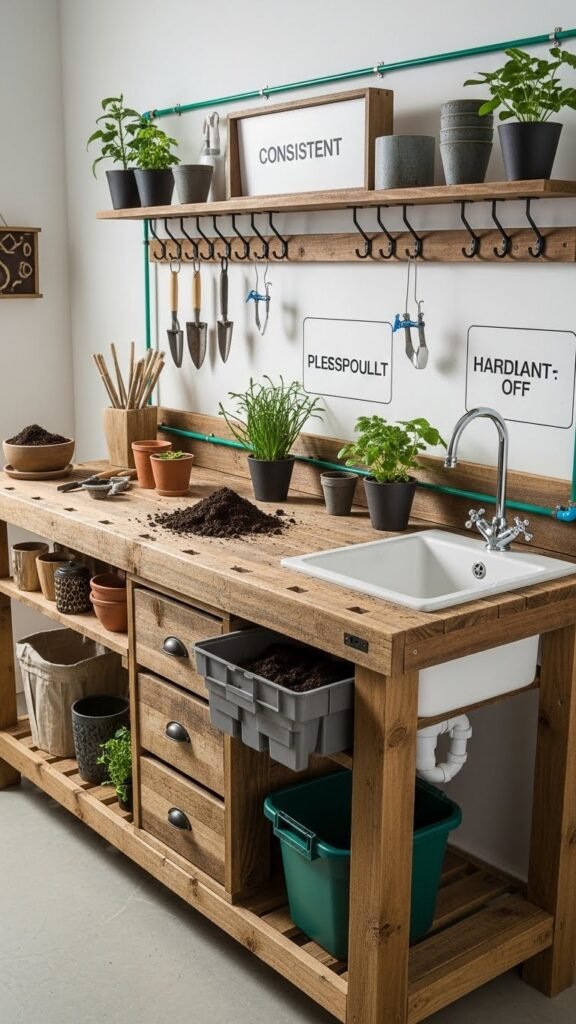
After you’ve nailed light, warmth, and drainage at your seed‑starting station, the next step is designing a container nursery and potting bench that keeps potting, hardening off, and transplanting efficient and tidy.
Build a sturdy worktop from reclaimed wood potting boards, add hooks, drawer bins, and a sink. Install vertical shelf irrigation lines for consistent watering and clear zones for clean soil handling.
Native and Low‑Water Plant Corner
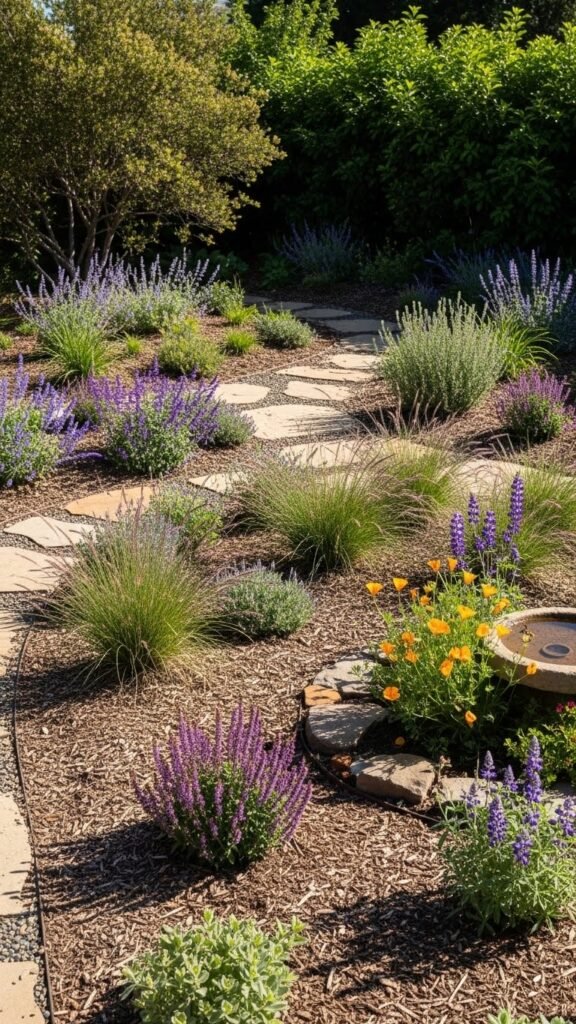
A native-and-low‑water corner lets you create a resilient, low‑maintenance pocket in your garden that supports local wildlife and cuts irrigation needs; start by mapping sun exposure, soil type, and existing drainage so you can match plants to microclimates.
Choose drought tolerant shrubs and layered native grass mixes, group by water needs, mulch thoroughly, and position paths for easy access and seasonal observation.
Edible and Kitchen‑Garden Display
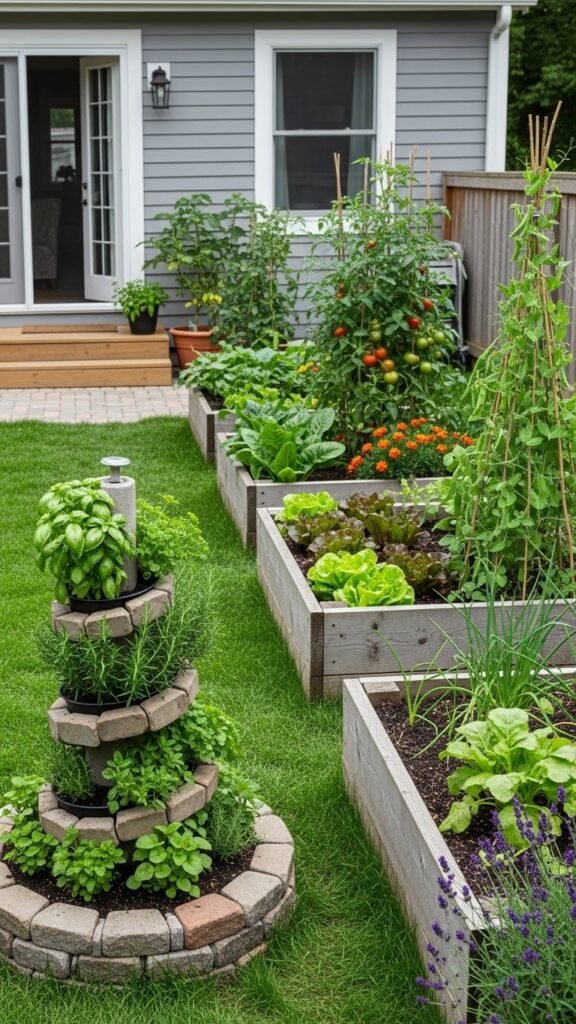
Whether you want a compact herb spiral by the back door or a row of raised beds brimming with seasonal vegetables, design your edible and kitchen-garden display around accessibility, succession planting, and visual appeal.
Place kitchen-window herbpots for instant snips, group crops by harvest rhythm, use paths wide enough for wheelbarrows, and integrate edible floral arrangements to boost pollinators and garnish plates.
Seasonal Display and Merchandising
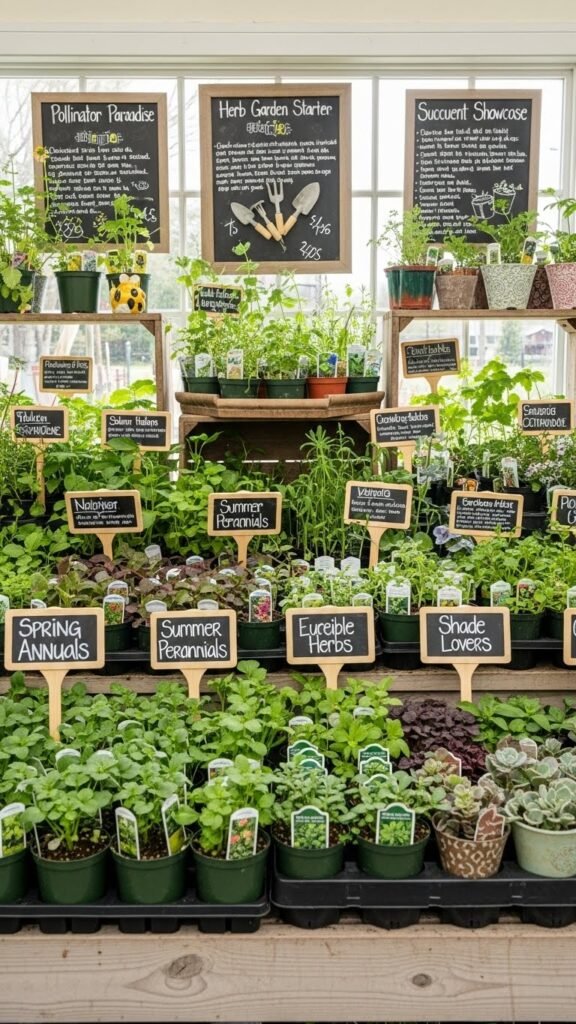
Having a neat propagation bench makes it easier to plan displays that reflect the seasons and sell plants at their peak.
You’ll design clear seasonal signage, group plants by use and bloom time, rotate stock weekly, and optimize sightlines for impulse buys.
Use window merchandising to draw passersby with themed vignettes, pricing, and care notes so customers feel empowered to choose quickly.
Hydroponic or Soilless Starter Area
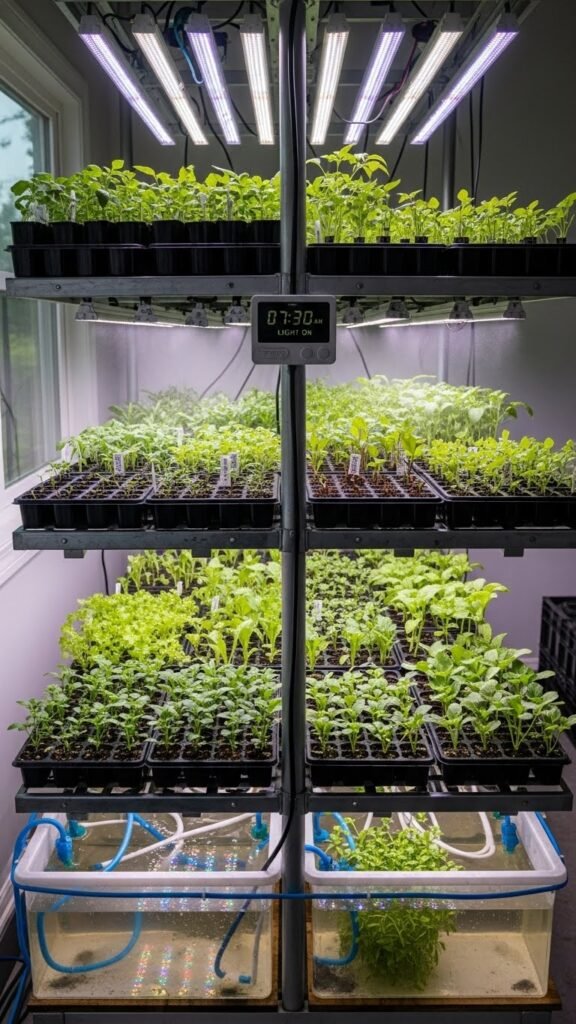
For a tidy, productive nursery, set up a dedicated hydroponic or soilless starter area that gives cuttings and seedlings the precise moisture, nutrients, and light they need to root fast and uniformly.
You’ll install adjustable LED lighting, compact trays, and a reliable timer.
Use simple reservoirs and nutrient recycling to conserve water and feed consistently, so you’ll propagate efficiently and stay free to expand.
Shade‑Loving Plant Section
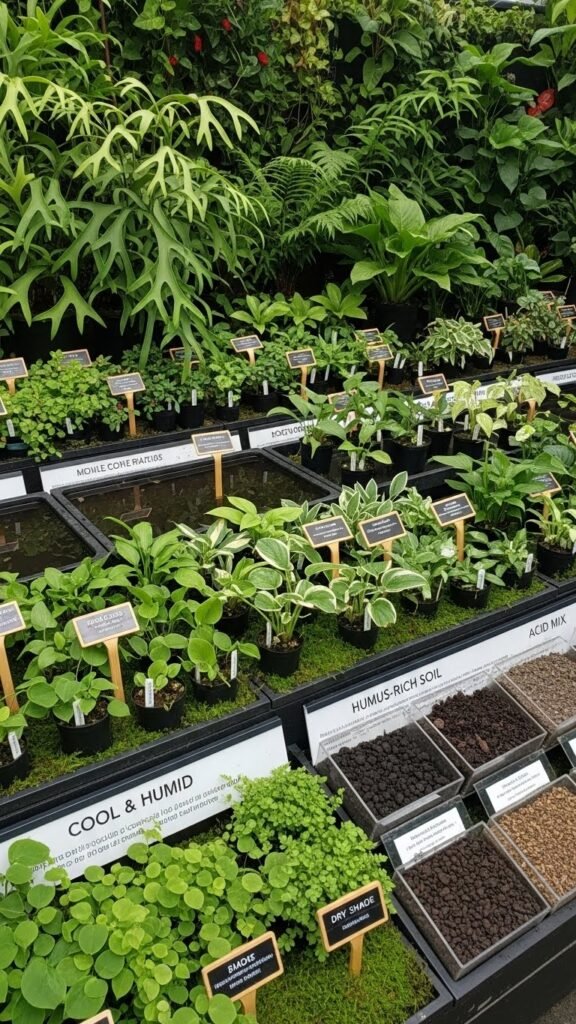
Because low-light areas need different care than sunbeds, dedicate a clearly defined shade-loving section where you control light, airflow, and soil moisture to suit understory species.
You’ll arrange plants for dappled understory light, group fern companions with acid, humus-rich mixes, maintain gentle ventilation, and use shallow trays for consistent dampness.
Label microclimates so you can move specimens freely.
Succulent and Cactus Bar
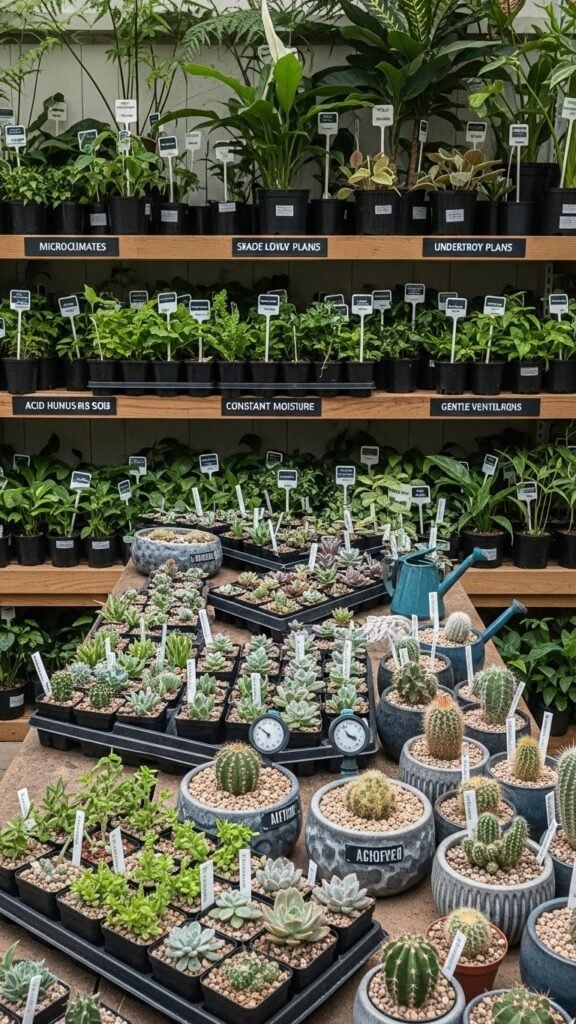
Why not give sensible attention to succulents and cacti by setting up a dedicated bar where you can tailor light, drainage, and watering rhythms? You’ll organize trays, gritty mix, and labeled pots for drought tolerant arrangements, control irrigation with timers, and display tools for decorative propagation.
Keep spacing, airflow, and textured containers deliberate so each plant thrives and you stay flexible in design and care.
Pollinator‑Friendly Plant Collection
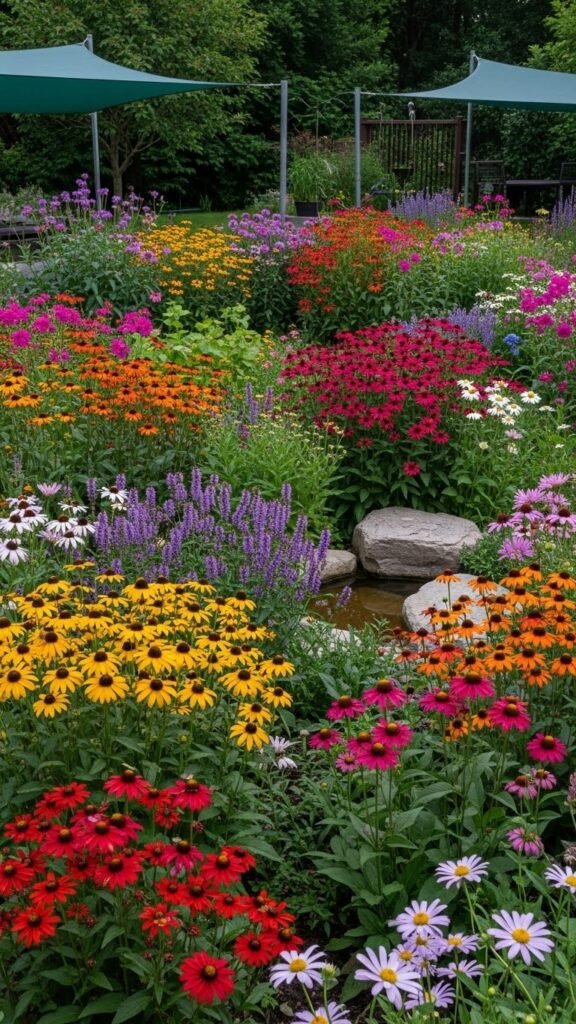
Often overlooked, a pollinator-friendly plant collection transforms a garden into a working ecosystem by prioritizing nectar-rich blooms, staggered flowering times, and native species that local bees, butterflies, and hummingbirds actually use. You’ll design pollinator corridors, group host and nectar plants, provide water and shelter, and include night-blooming species to support nocturnal pollinators. You’ll monitor, adapt, and free your garden to thrive.
Cold‑Frame and Mini‑Greenhouse Zone
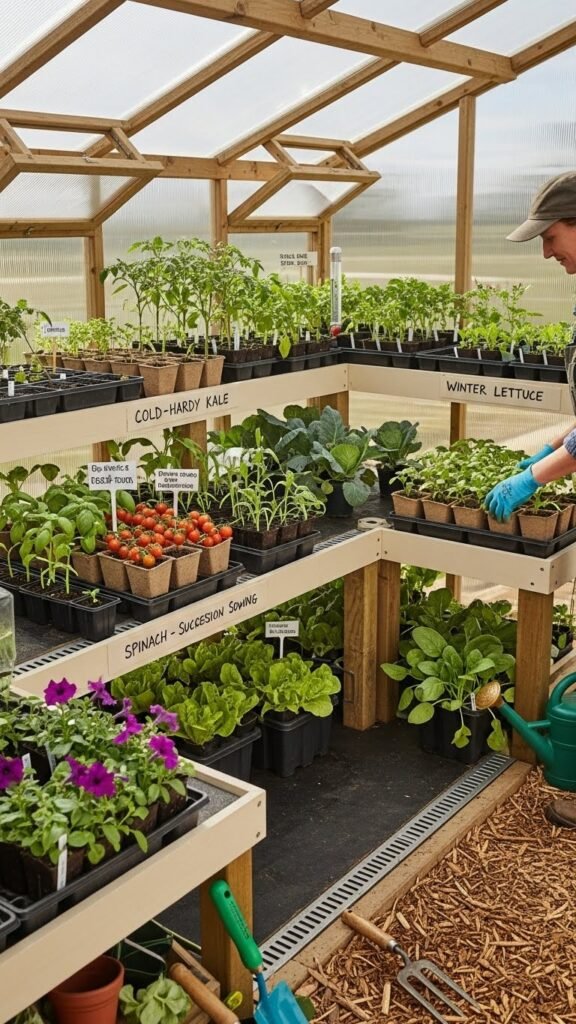
After establishing pollinator habitats, you’ll want a sheltered spot to raise seedlings, harden off young plants, and extend the growing season — enter the cold-frame and mini-greenhouse zone.
You’ll position units for sun, use insulated glazing to retain heat, and bench at ergonomic heights. Focus on ventilation, drainage and succession sowing so you can reliably grow cold‑hardy varieties and keep control of timing.
Annual Bedding Plant Rack
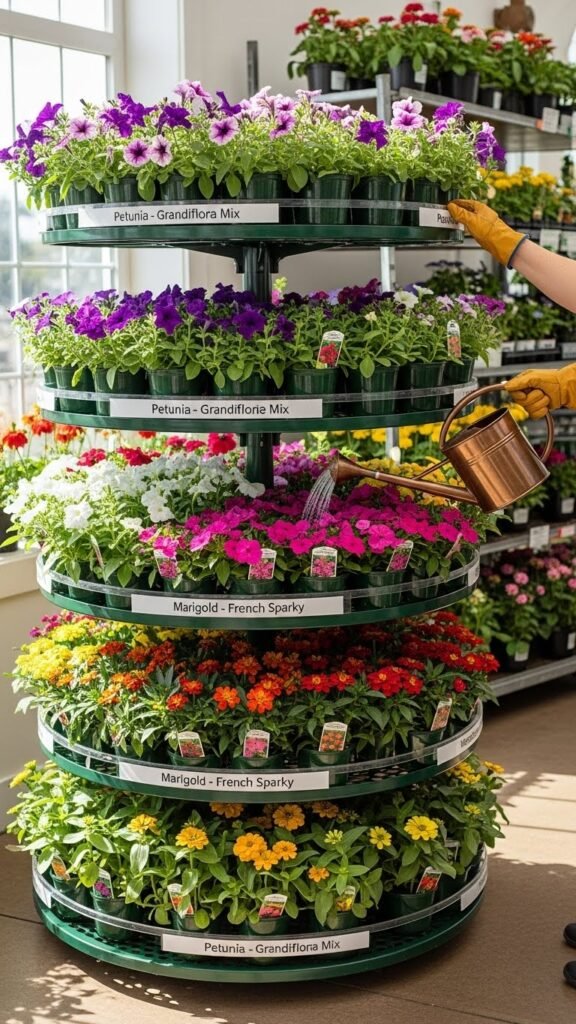
An annual bedding plant rack gives you a compact, accessible staging area to organize, harden off, and rotate seasonal color with precision.
You’ll use rotating tiers to sequence watering, sun exposure, and staging for sale or display.
Design shelves for drainage, label trays for quick color coordination, and allow easy access so you can swap varieties fast and maintain vigorous, predictable bedding rotations.
Bonsai and Specialty Container Nook
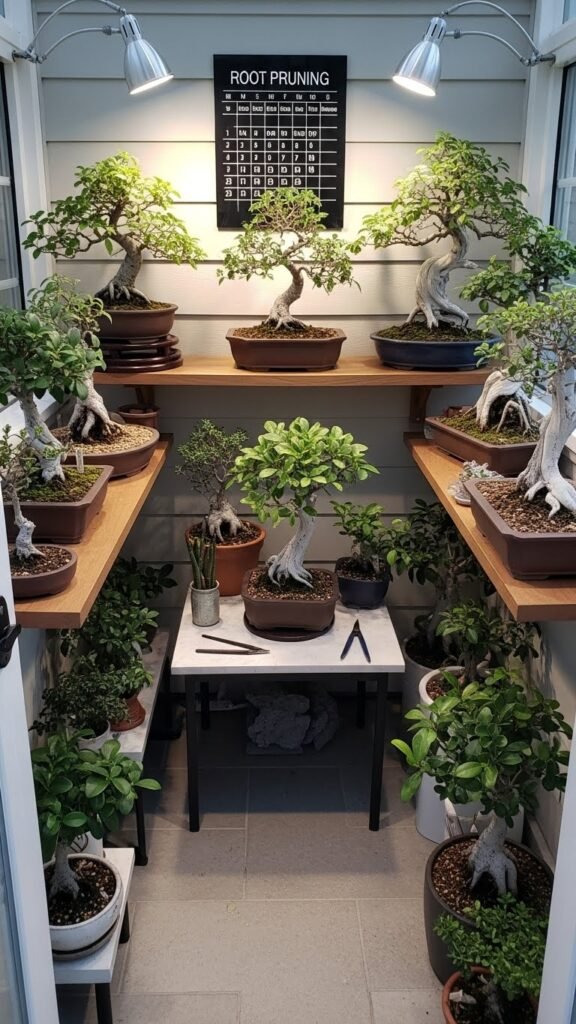
Shifting from a wall of culinary herbs to a dedicated bonsai and specialty container nook lets you bring sculptural plants and delicate finishes into a compact indoor or outdoor corner. You’ll select compact soil mixes, sturdy stands, and focused lighting.
Practice bonsai styling and scheduled root pruning, document each change, and arrange pieces to maximize breathing space so maintenance stays deliberate and liberating.
Rain Garden and Moisture‑Tolerant Plants
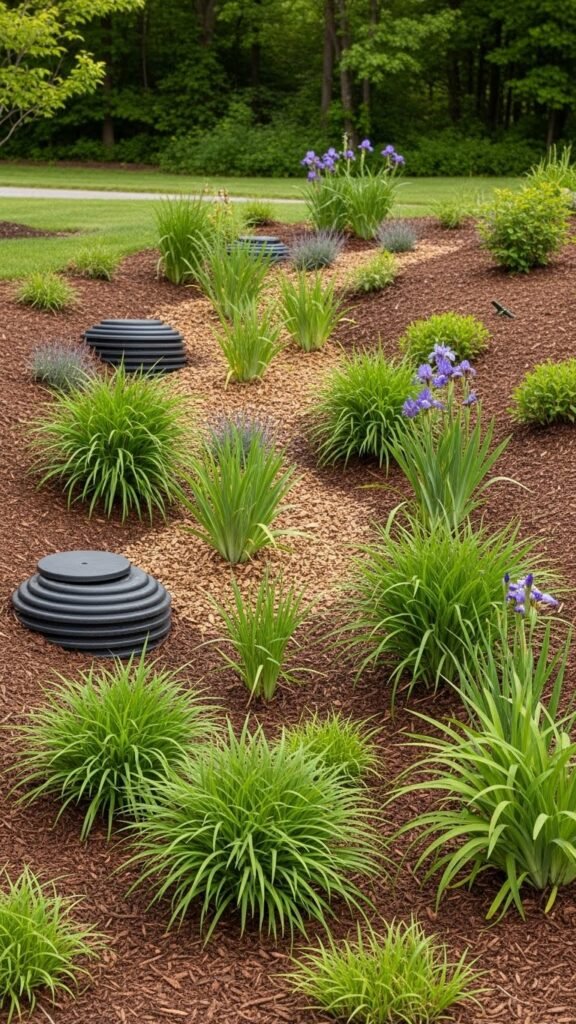
When you design a rain garden, channel excess water into a managed, attractive swale that supports moisture‑tolerant plants and protects your landscape from erosion and runoff.
You’ll choose soil mixes, grade slope, and plant grouping intentionally. Combine bog garden pockets with wetland plants like sedges and irises, place overflow outlets, and maintain mulch to keep function efficient and choices liberating.
Native Wildflower Seed Station
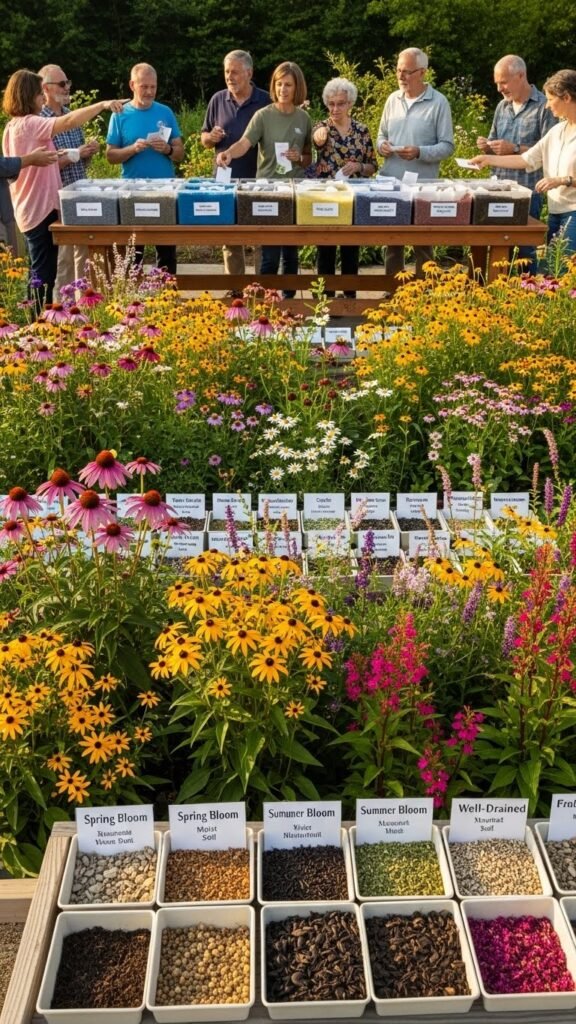
After managing runoff with a rain garden, you can extend habitat value and seasonal color by setting up a native wildflower seed station. You’ll catalog local species via habitat mapping, label trays with bloom time and soil needs, and host a community seed swap to diversify genetics.
Design modular bins for easy sowing, storage, and clear rotation so you control propagation efficiently.
Vertical Gardening and Living Wall Display
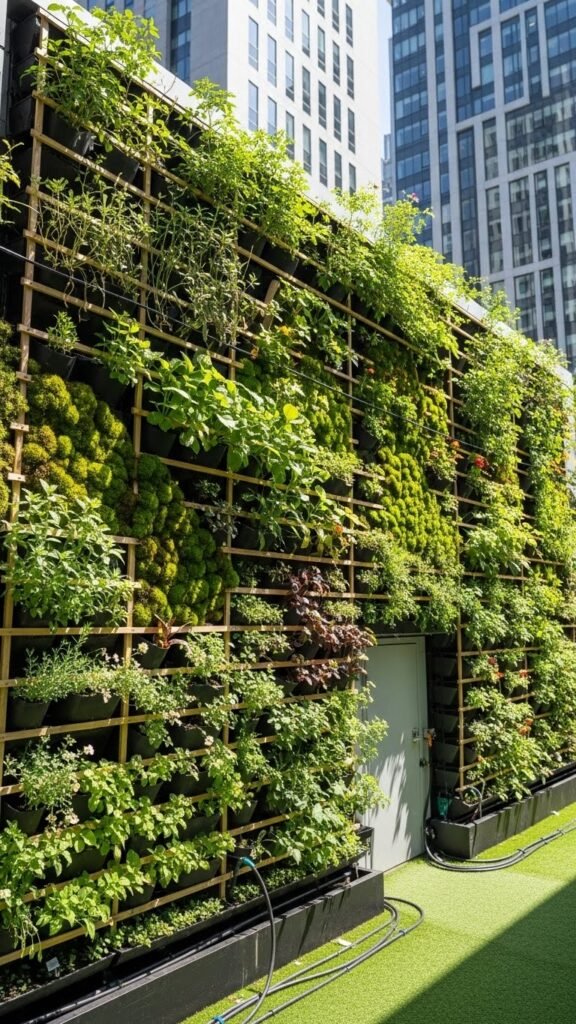
Because space is often the limiting factor in urban and small-yard gardens, vertical gardening and living walls give you a high-yield, scalable way to expand planting area, improve microclimate, and showcase diverse plantings without sacrificing ground space.
You’ll plan substrate, irrigation, and plant combinations precisely, combine trellis art and moss graffiti for personality, and maintain access for pruning, feeding, and seasonal swaps to stay flexible.
Soil, Amendments, and Testing Station
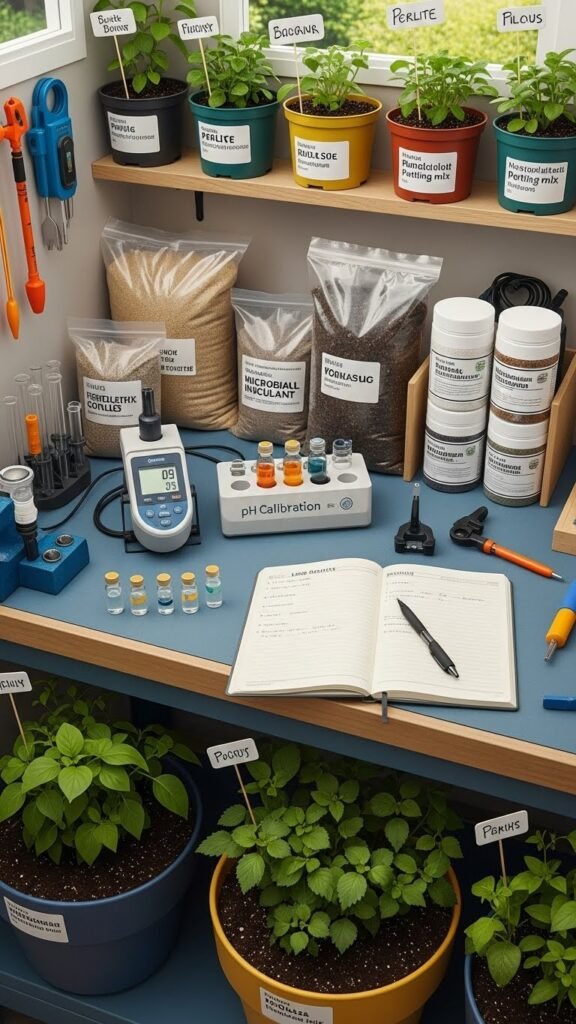
For a thriving nursery, set up a compact soil, amendments, and testing station where you can quickly assess and tailor every batch of potting mix; this saves plants from preventable nutrient imbalances and drainage problems.
You’ll keep pH calibration tools, bulk amendments, and microbial inoculants on hand, log results, and adjust texture, fertility, and salinity.
This system gives you reliable, repeatable mixes.
Plant Care and Troubleshooting Desk
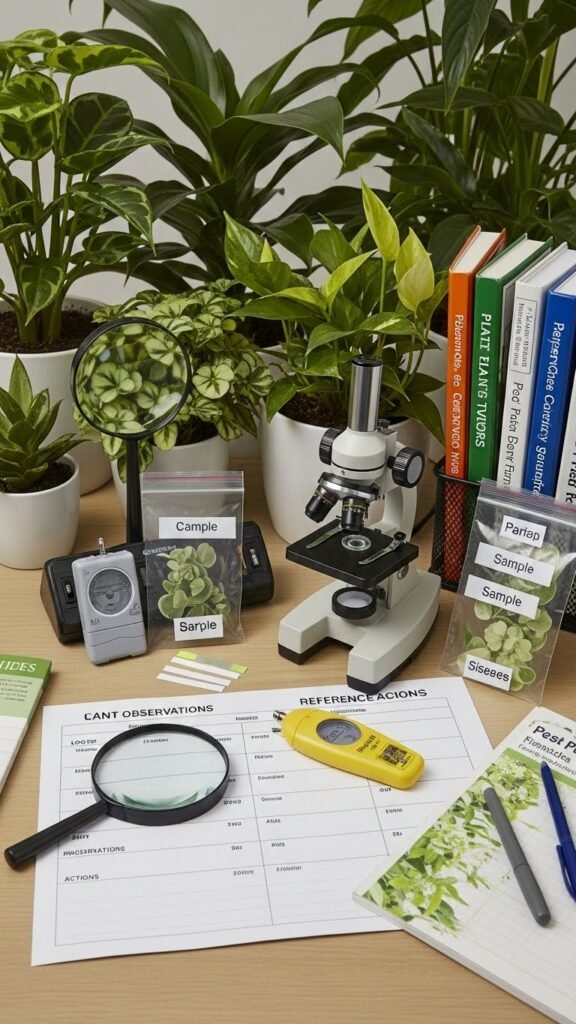
Set up a dedicated plant care and troubleshooting desk where you can quickly diagnose issues, record treatments, and dispatch solutions; equip it with a magnifier, moisture meter, pH strips, a compact microscope or hand lens, labeled sample bags, reference guides for pests and diseases, and a simple charting system to log observations and actions. You’ll monitor seasonal pests, track moisture and humidity control, note remedies, and act decisively.
Gift and Plant Accessory Bundles
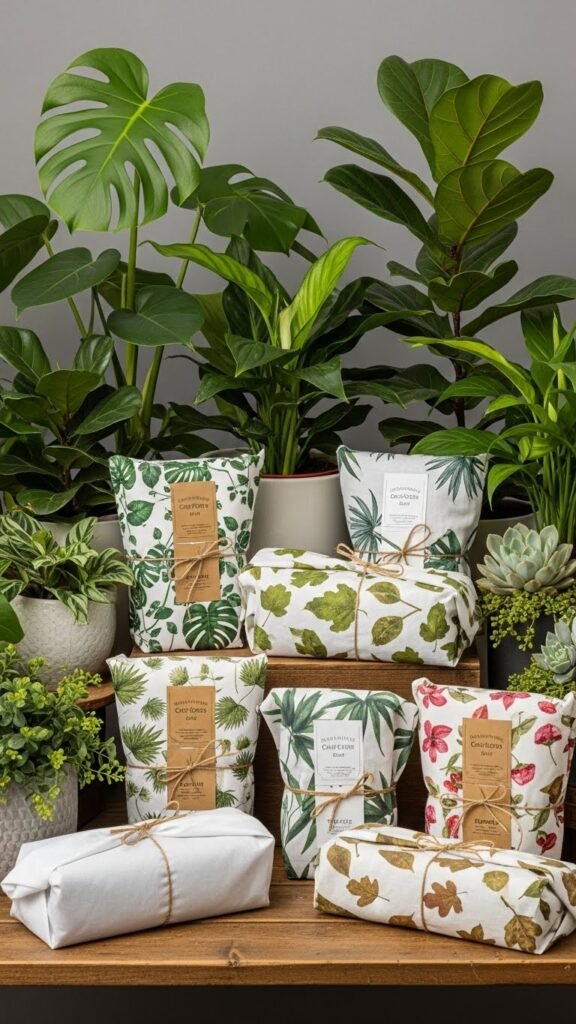
Think about putting together curated gift and accessory bundles that solve common plant-care needs and delight the recipient; you’ll want each bundle to balance usefulness, aesthetics, and clear instructions. You’ll offer seasonal wrapping, care cards, and custom labels; include starter tools, soil tests, and simple guides. Promote plant adoption with welcome notes, maintenance checklists, and refill options so buyers feel empowered and free.
Kids’ Gardening and Educational Area
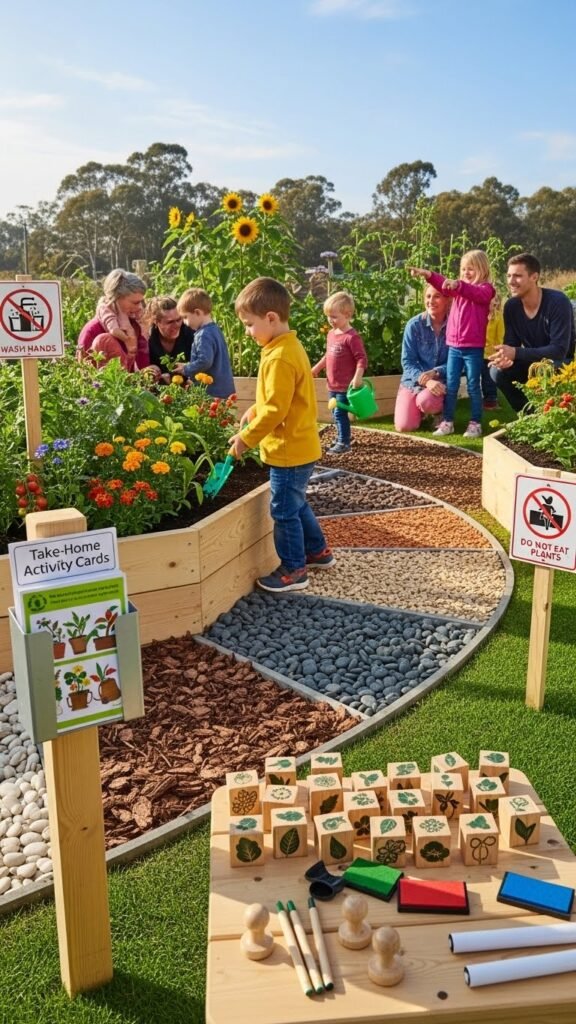
After customers pick up a curated gift bundle, invite families to explore your kids’ gardening and educational area where young gardeners can learn hands-on care and plant stewardship.
You’ll provide raised beds, child-safe tools, sensory paths that spark curiosity, and seed stamps for creative labeling.
Guide them with clear steps, encourage independent exploration, set safety rules, and supply simple take-home activity cards.