
You can refresh your outdoor beds fast with simple, high‑impact changes that balance form and function. Paint or stain raised frames, add gravel paths and metal edging for neat lines, swap in cedar or sealed pine for longevity, and use trellises, tiered beds, or cinder‑block pockets to gain space and texture. These tweaks cut maintenance and boost curb appeal — and a few smart choices will change how your garden performs.
Quick Raised Bed Refresh With Paint or Stain
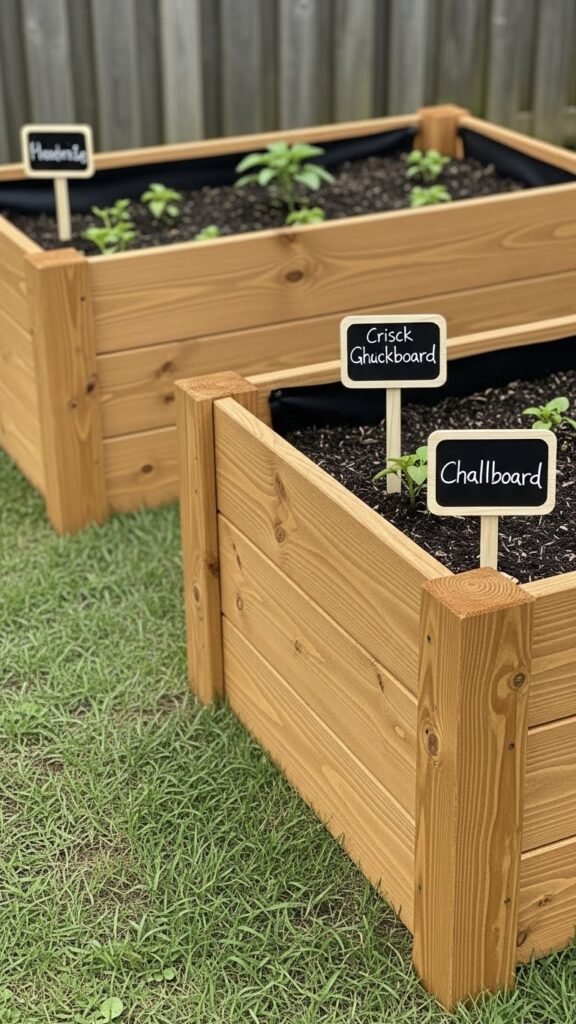
Refresh your raised beds in an afternoon with paint or stain to instantly lift your garden’s look and protect the wood. You’ll choose bold hues, sand trimmed edges, and stain for weather resistance.
Paint allows crisp chalkboard labels for quick notes and seed IDs. Work fast, wear gloves, and let coats dry between light sandings — freedom to customize, minimal fuss, maximum impact.
Cedar Planter Upgrade for Durability
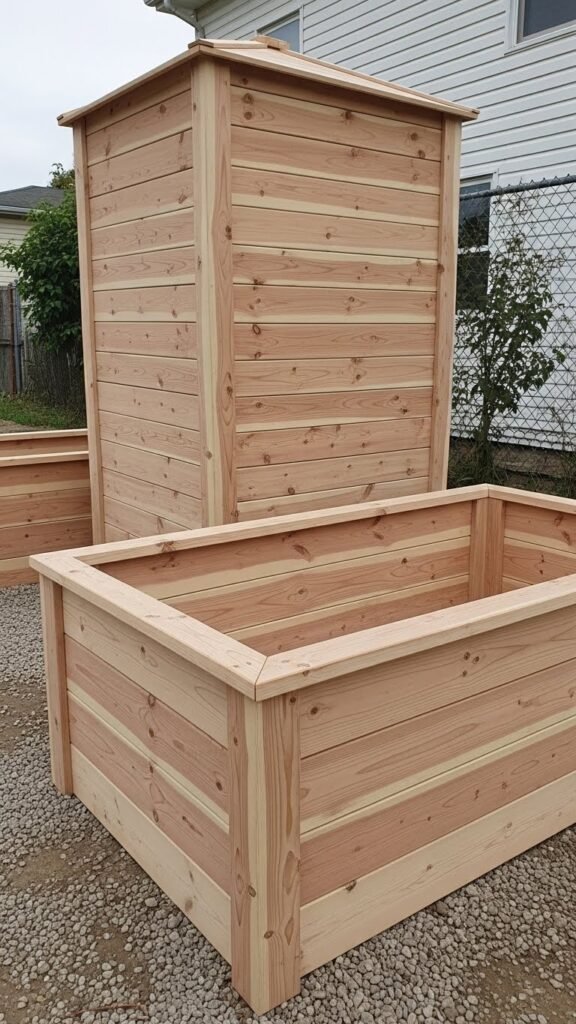
If you liked bright paint for a quick lift, consider upgrading to cedar for long-lasting beds that age beautifully with minimal upkeep. You’ll enjoy natural grain, scent, and lighter weight while building with rot resistant joinery and a Weatherproof sealant to extend life.
Keep joints tight, use stainless fasteners, and leave boards to silver naturally — simple, durable freedom for your garden.
Low-Cost Pine Bed With Sealed Finish
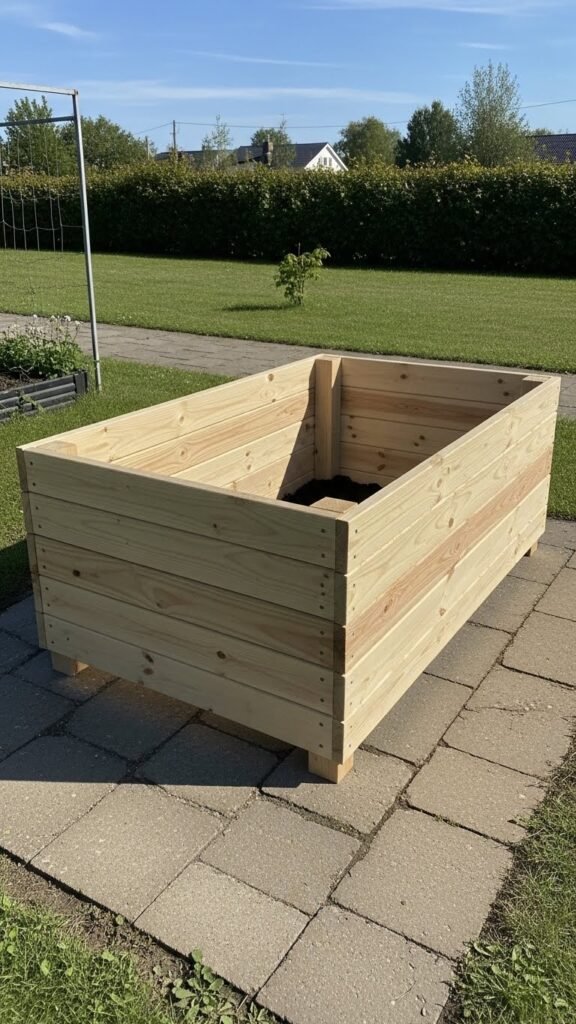
Choose pine for an affordable, straightforward garden bed that still looks tidy and lasts when you seal it right. You’ll cut boards, assemble simple sides, and sand edges for a clean, liberated look.
Prioritize Pine longevity with a good exterior finish: compare Sealant options like clear water‑based, penetrating oil, or marine varnish. Reapply yearly; keep soil away from direct wood contact for longer life.
Compact 8×4 Budget Bed Build
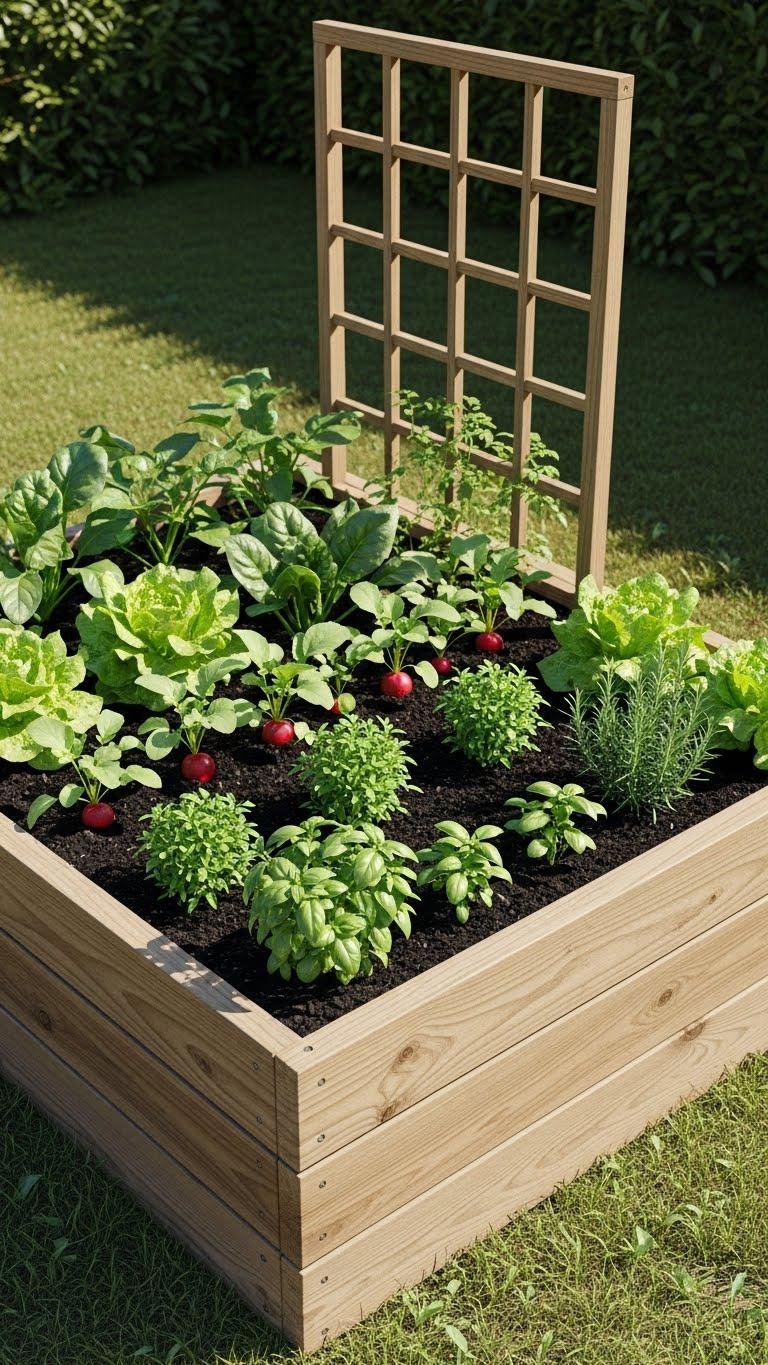
Think small and build smart: an 8×4 compact bed fits most yards, uses minimal lumber, and gives you deep soil for veggies and herbs.
You’ll mark a tight DIY footprint, cut cheap boards, and screw corners. Fill with light, rich mix and targeted soil amendments.
Position for sun, add a simple trellis, and enjoy productive freedom without fuss.
Tall Deep Bed for Root Vegetables
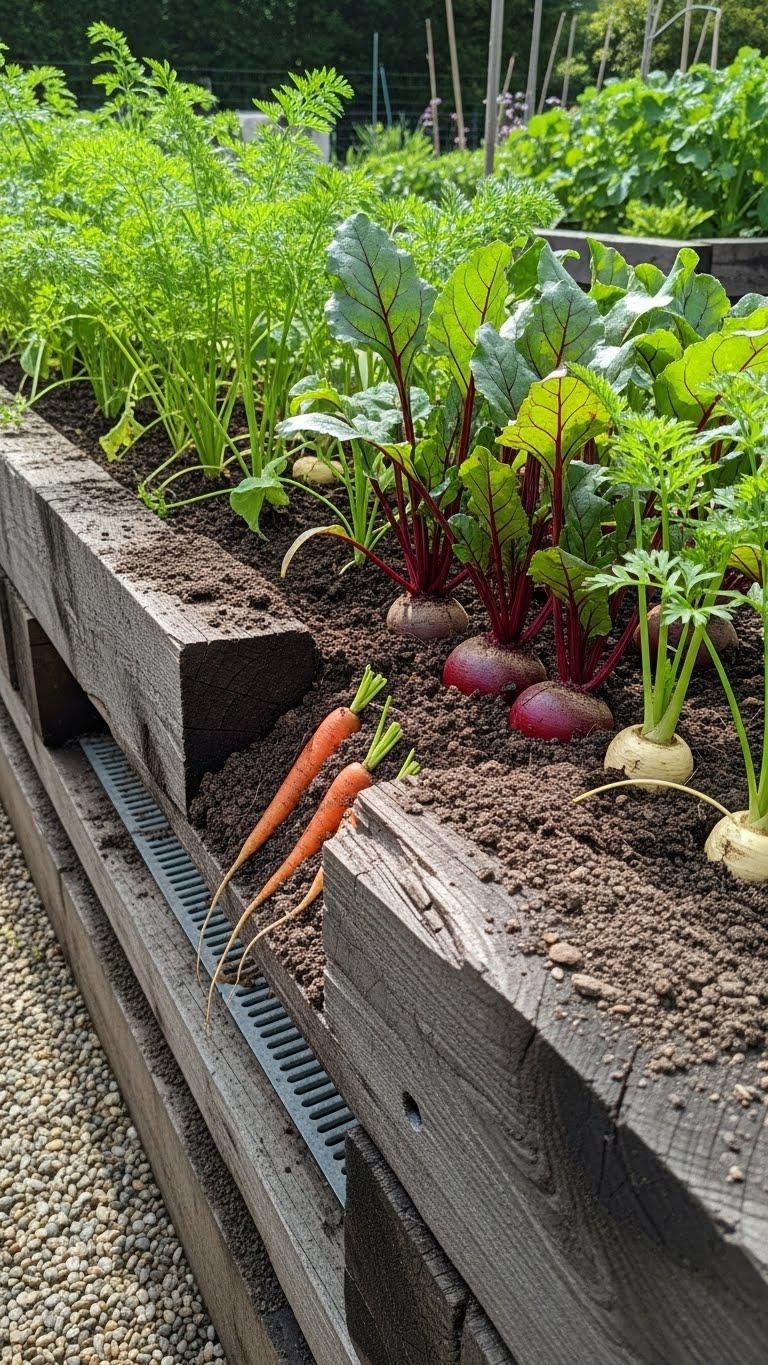
When you need room for carrots, beets, and parsnips to grow straight and long, build a tall, deep bed that gives roots unrestricted space and loose, well-draining soil. You’ll stack boards or timbers to create depth, fill with light, friable mix, and guarantee reinforced drainage with gravel and perforated pipe. Plant deep rooted crops in rows, water sparingly, harvest freely.
Tool-Minimal Cinder Block Bed
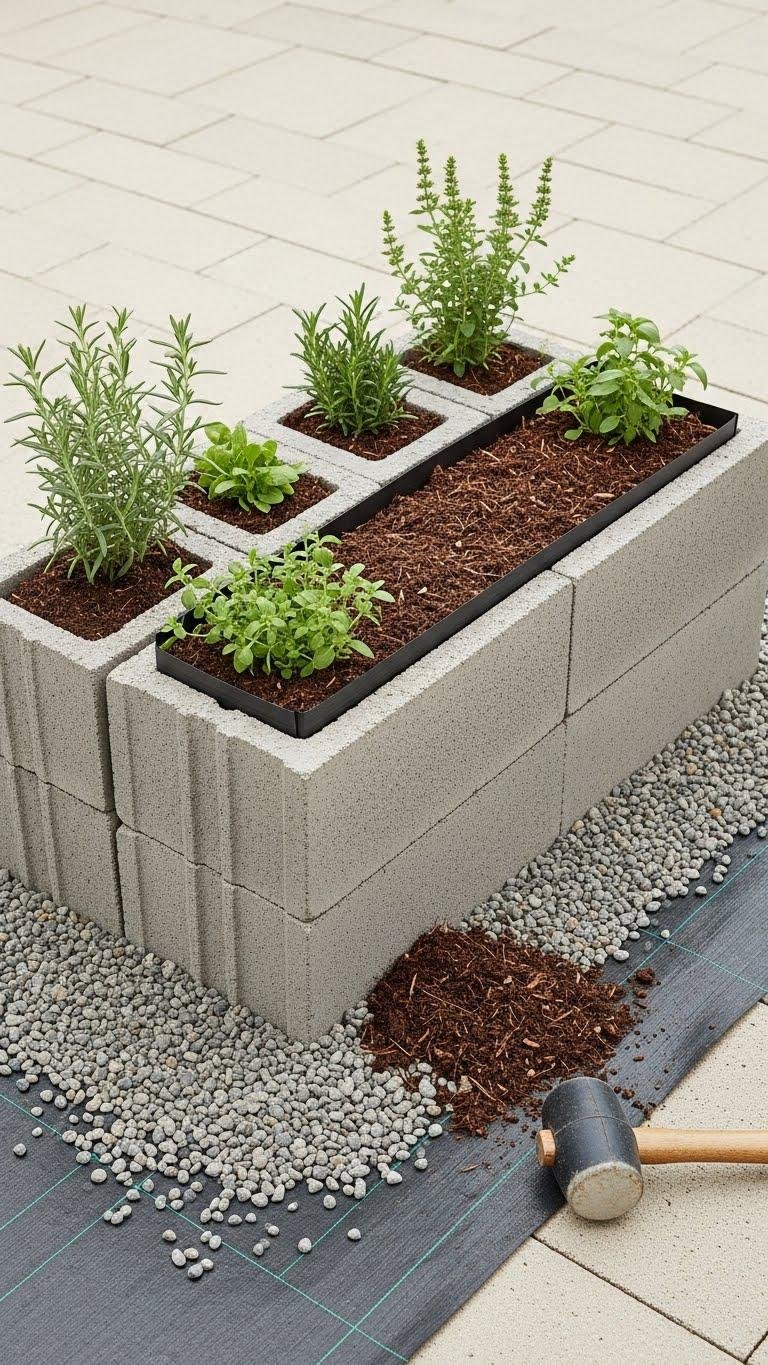
Build a sturdy cinder block bed with almost no tools and get growing fast: stack blocks in a rectangle, level the first course with your hands and a rubber mallet, then fill with a weed barrier, coarse gravel for drainage, and a loose planting mix.
Embrace a concrete palette for minimalist planting; tuck herb pockets into hollow cores, water deeply, and enjoy low-maintenance freedom.
Interlocking Planter Block Assembly
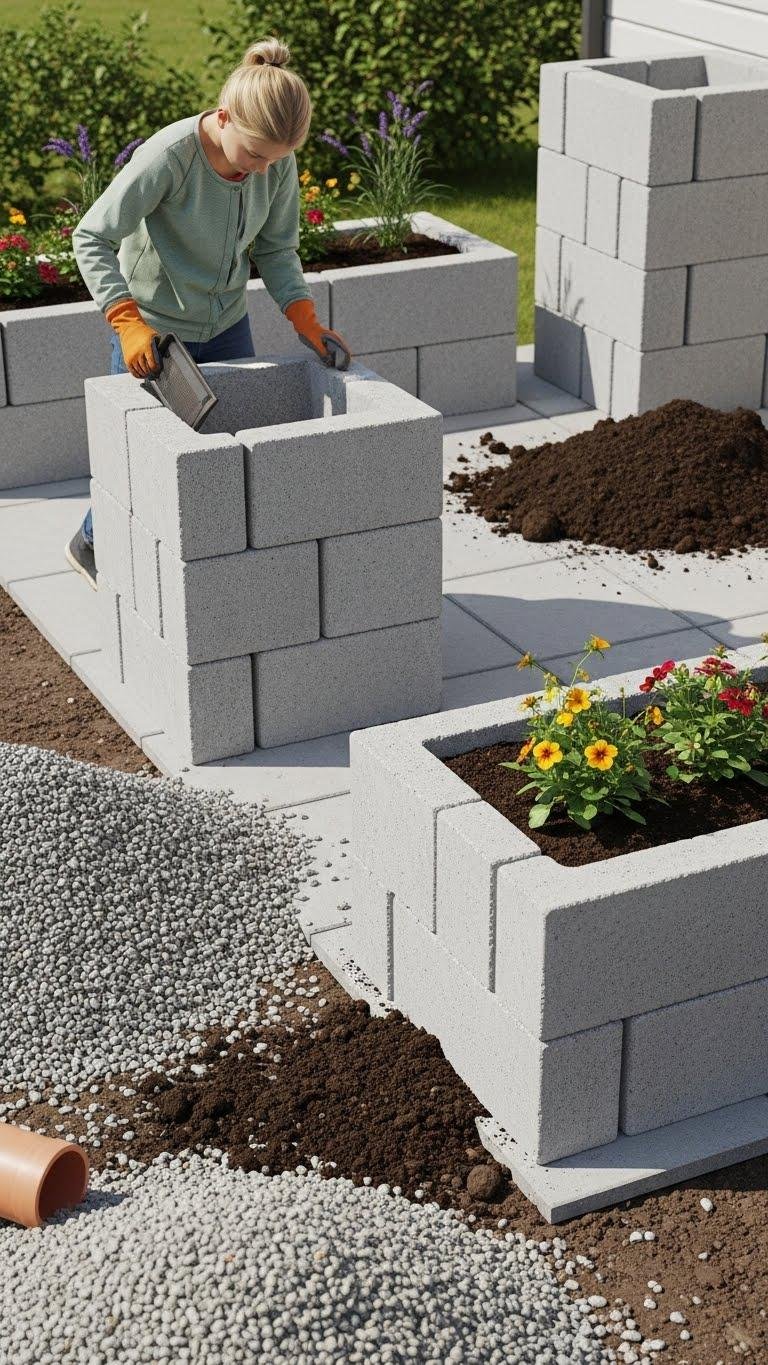
Lay out your interlocking planter blocks on level ground and snap them together course by course—no mortar needed—to create a stable, modular bed that’s easy to adjust later.
You’ll appreciate the interlocking aesthetics and clean lines as you stack.
Add gravel and perforated pipe for drainage optimization, backfill with soil mix, then plant.
It’s fast, flexible, and built for change.
Waist-Height Raised Bed for Accessibility
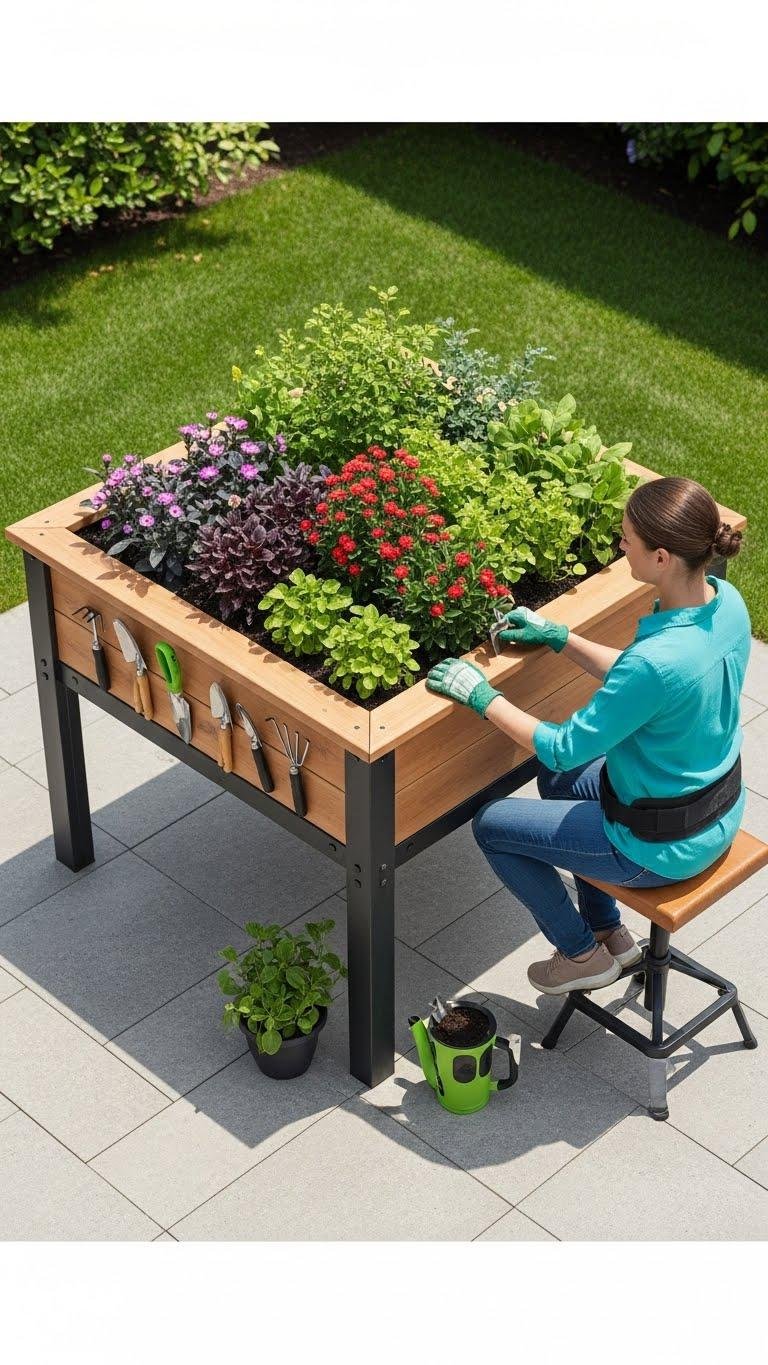
If you want gardening to be comfortable and accessible, a waist-height raised bed brings plants up to you so you can tend, harvest, and pot without bending or kneeling.
Build sturdy frames, add rich soil, and position at comfortable reach. Embrace ergonomic planting with wide edges for tools and wrist relief. Consider waistchair integration for sitting freedom and prolonged, pain-free garden sessions.
Pallet Vertical Herb Wall
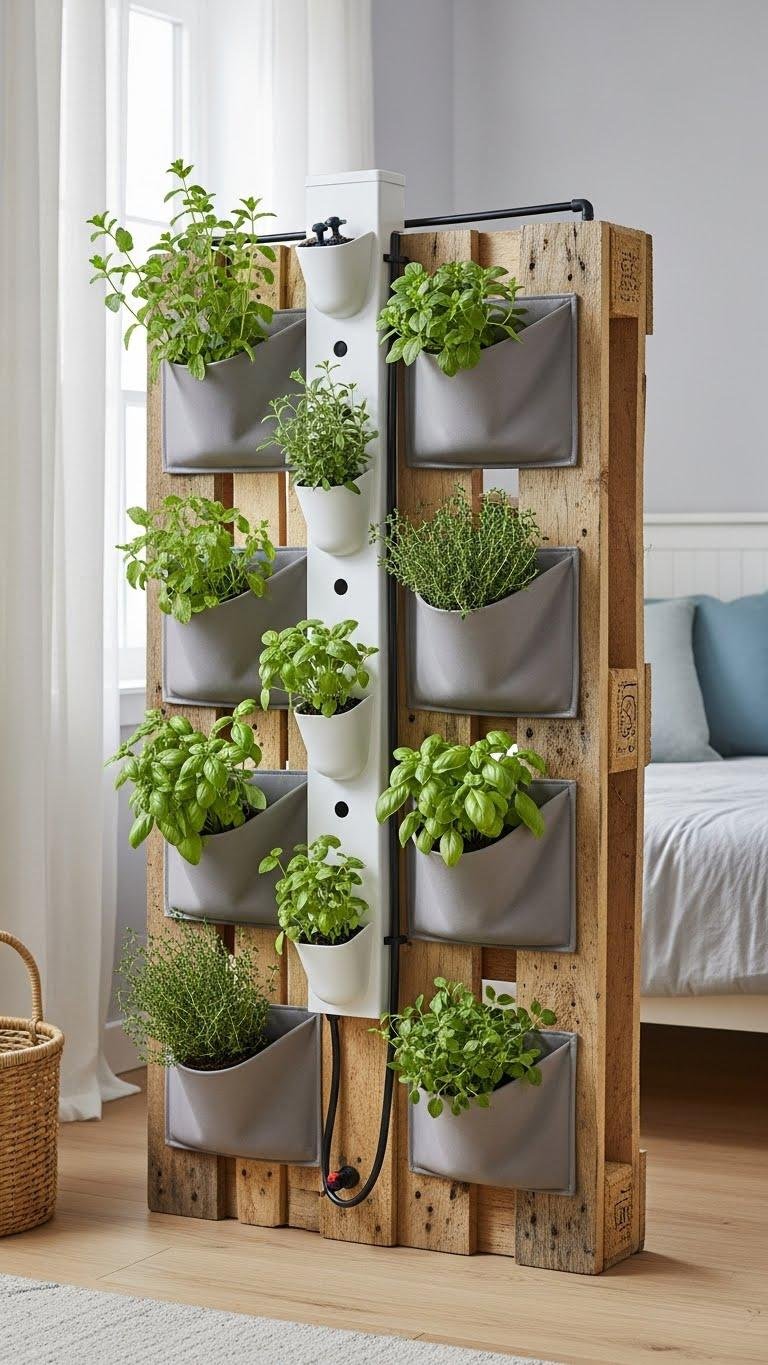
After enjoying the comfort of a waist-height bed, bring herbs up even higher with a pallet vertical herb wall that saves space and keeps fresh flavors within arm’s reach.
You’ll mount a reclaimed pallet, add pockets, set up vertical irrigation for steady moisture, and arrange aromatic companioning—mint, basil, thyme—so scents mix.
It’s compact, bold, and lets you harvest freely.
Tiered Step Beds for Small Yards

Think of tiered step beds as a stairway for your garden: they stack planting levels upward so you get more growing space and better sunlight in a small yard.
You’ll build compact vertical tiers with sturdy frames and stacked pockets for soil. Arrange herbs, succulents, and salad greens on each step, make watering simple, and enjoy a liberated, low-footprint oasis you can tweak freely.
Trellis-Integrated Bed for Vining Crops

When you add a trellis to your garden bed, vining crops climb up instead of sprawling out, giving you more harvest from the same footprint.
You’ll plant vertical beans at the base, secure a lattice trellis to the bed edge, and train vines upward. This frees ground space, improves airflow, eases picking, and creates a living wall that feels open, practical, and liberating.
Pocket Planting in Cinder Block Voids
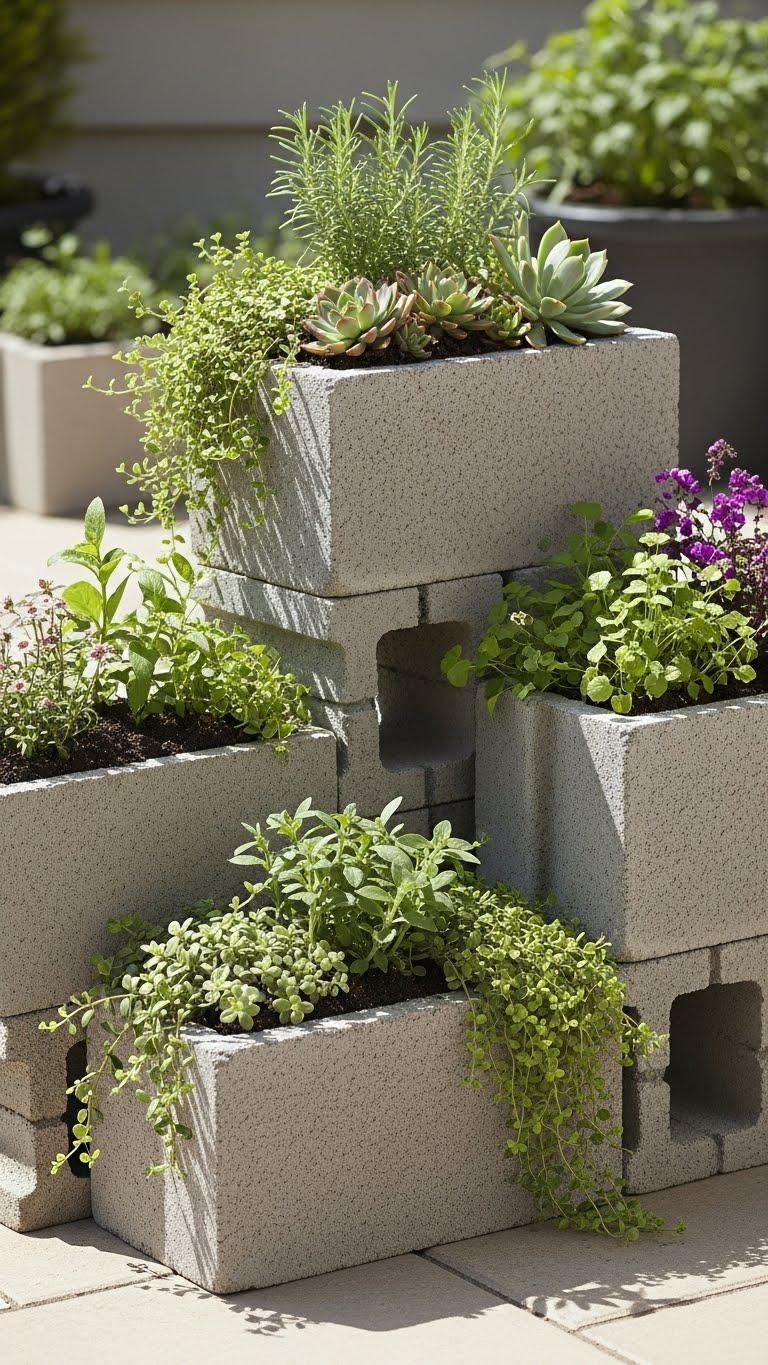
Flip a plain cinder block into a mini planter by filling its hollow cells with soil and small, sun-loving plants—succulents, herbs, or trailing annuals work especially well.
You’ll create succulent pockets and herb niches that add texture and purpose. Place blocks on a patio or border, stagger heights, water sparingly, trim as needed, and move pieces to reshape your garden instantly.
Balcony Railing Planter Solution
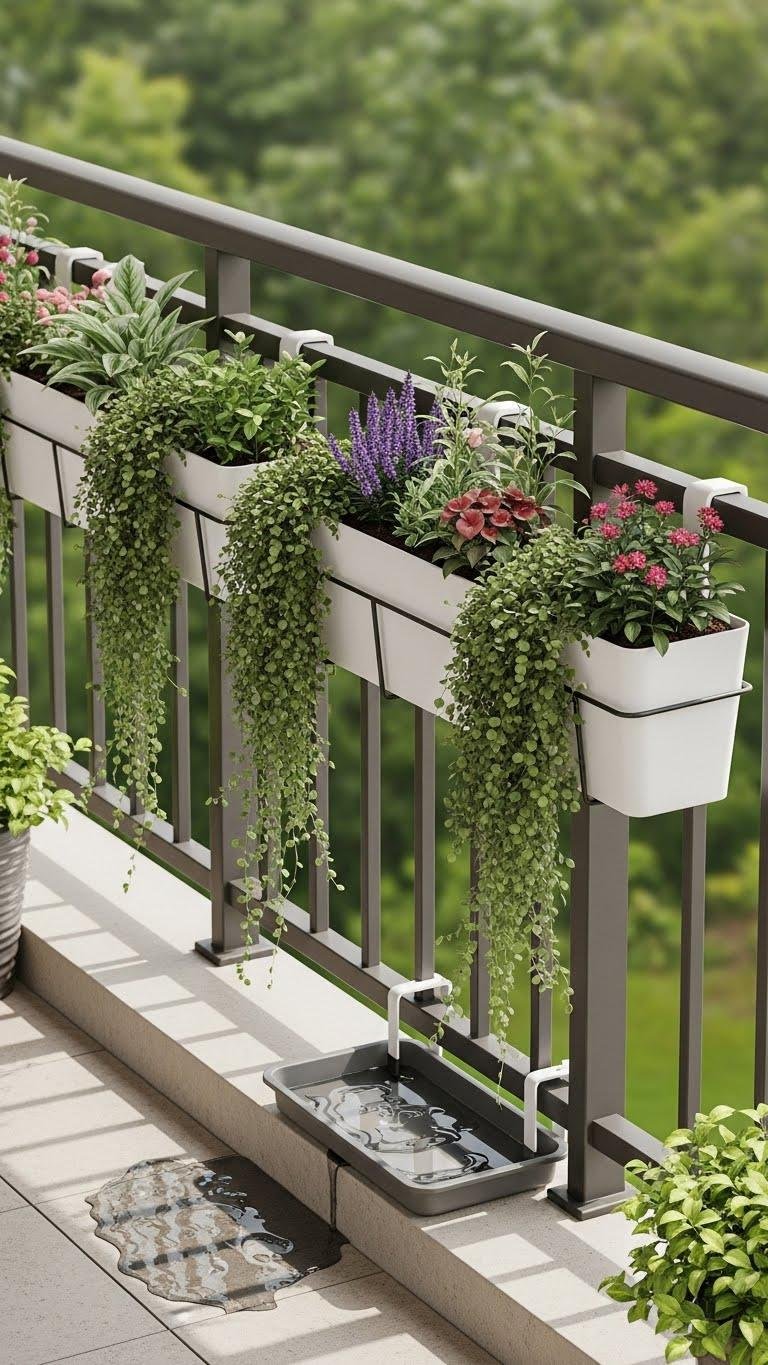
If you liked pocket planting in cinder blocks, you can use the same compact planting logic to skirt a balcony railing: secure slim, spill-proof planters or railing-mounted boxes along the rail, fill them with well-draining mix, and choose trailing or upright varieties that suit sun exposure and wind. Use lightweight planters with detachable brackets for easy removal, windproof anchors, and a tidy drip tray to free your space.
Gravel and Edging Makeover
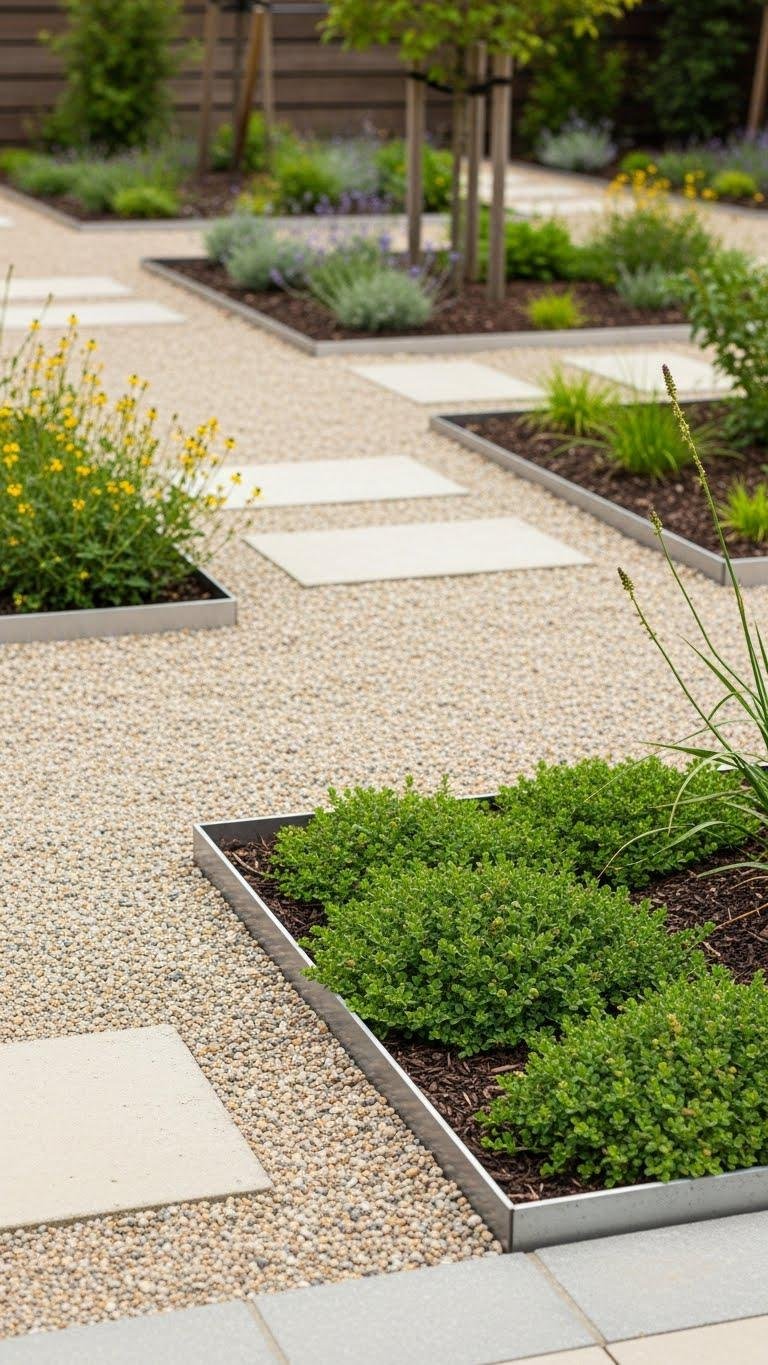
Refresh your borders with a gravel and edging makeover that cleans up paths, defines beds, and cuts maintenance at a glance.
Lay clean gravel for low-water groundcover, frame beds with crisp metal trim to stop spreading soil, and create stone pathways for barefoot-friendly routes.
You’ll gain tidy lines, easier weeding, and a liberated outdoor flow that’s simple to install and maintain.
Decorative Top Rail Seating Addition

When you top your garden bed edging with a decorative rail, you get instant seating and a finished look that invites people to linger; the narrow bench doubles as a tidy border and a practical perch for putting on shoes or potting plants.
You’ll enjoy a wide ledge for drinks or tools and easy cushioned seating options—sturdy, simple, and ready for spontaneous moments outdoors.
Mulch and Compost Refresh for Soil Health
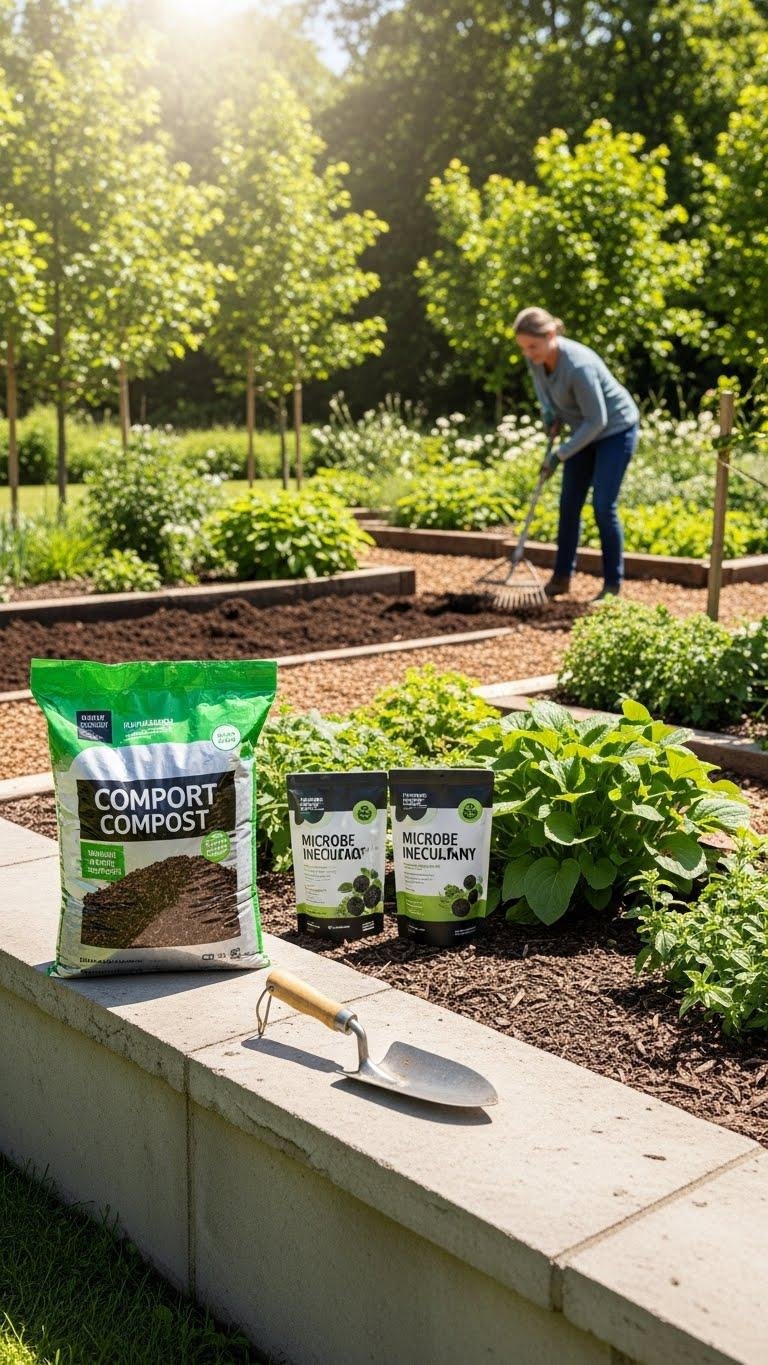
That same ledge you sit on can be the perfect spot to stash a trowel and a bag of compost while you replenish the soil below; topping up mulch and adding compost keeps beds looking tidy and feeds plants at the same time.
You’ll rake back mulch, loosen soil for soil aeration, mix compost with a microbe inoculant, then replace mulch to lock moisture and freedom.
Drip Irrigation Retrofits for Raised Beds
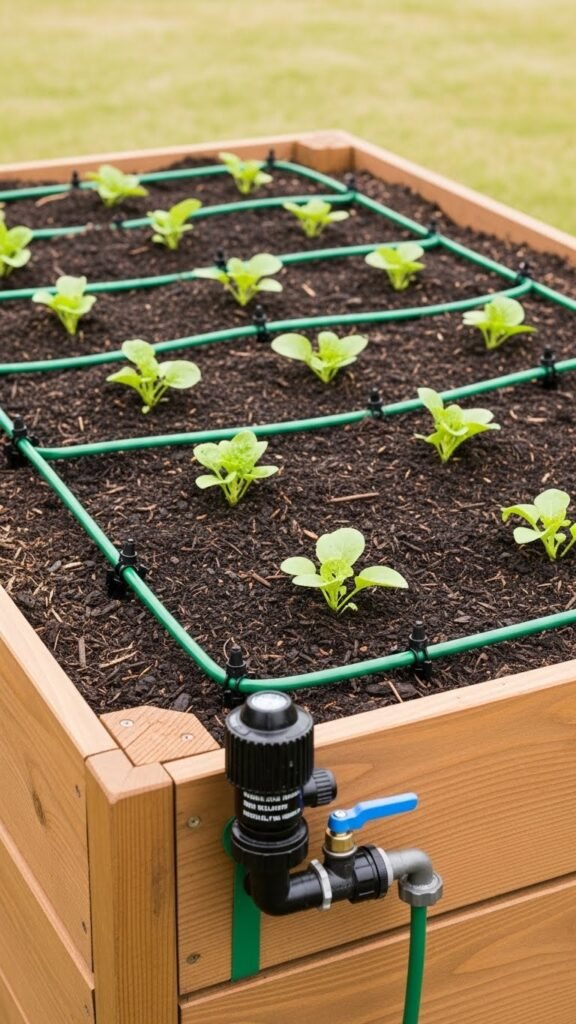
Upgrade your raised beds with a simple drip irrigation retrofit to deliver water directly to roots, cut runoff, and save time.
You’ll run mainline tubing, add a pressure regulator at the spigot, and lay lateral lines with spaced drip emitters to feed each plant.
The setup stays tidy, conserves water, and lets you garden on your terms—set it and forget it.
No-Dig Layered Bed Conversion
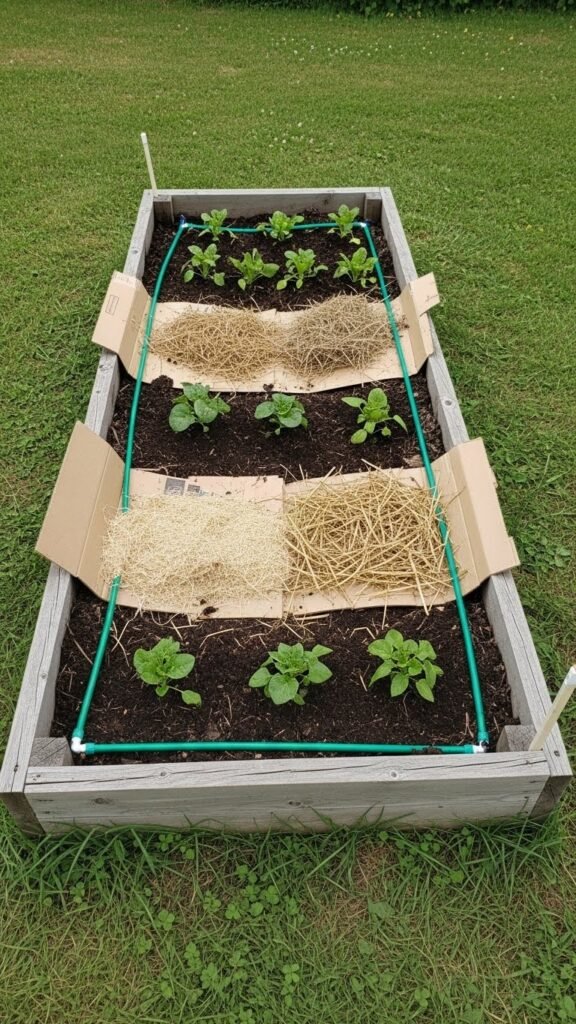
After fitting drip lines and cutting back on watering chores, you can convert a tired raised bed into a fertile no-dig layered bed without heavy digging or soil removal.
Lay cardboard, add compost, straw, and kitchen scraps in layers.
Plant with companion planting pairs, mulch to retain moisture, and sow a seasonal covercrop in fall.
You’ll gain richer soil and more free time.
Pollinator-Friendly Flower Border
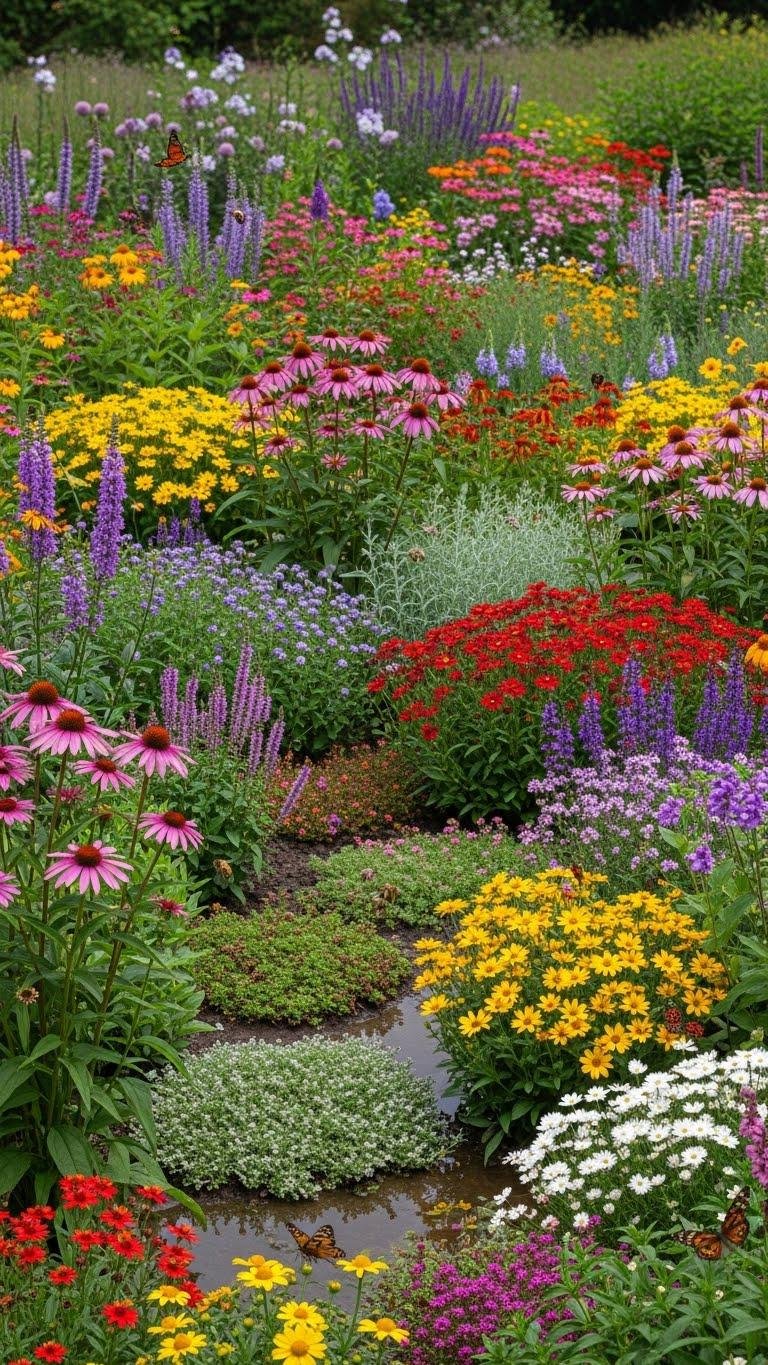
Often you’ll spot bees and butterflies first, so design the border to catch their attention with layers of color and scent: group native perennials, herbs, and nectar-rich annuals in drifts, stagger heights from low groundcovers to taller blooms, and stagger bloom times so something’s always flowering.
Plant butterfly magnets like milkweed and coneflowers, favor native blooms, leave bare soil patches, and provide shallow water.
Removable Hoop Covers for Season Extension

When you want to stretch your growing season without committing to permanent structures, removable hoop covers give you a lightweight, flexible solution that’s easy to install and store.
You’ll clip on temporary polyhoops or set up portable coldframes to shield seedlings from frost, maintain warmth, and shrug off wind.
They fold flat, free space when not needed, and keep your beds adaptable.
Native Low-Maintenance Perennial Bed
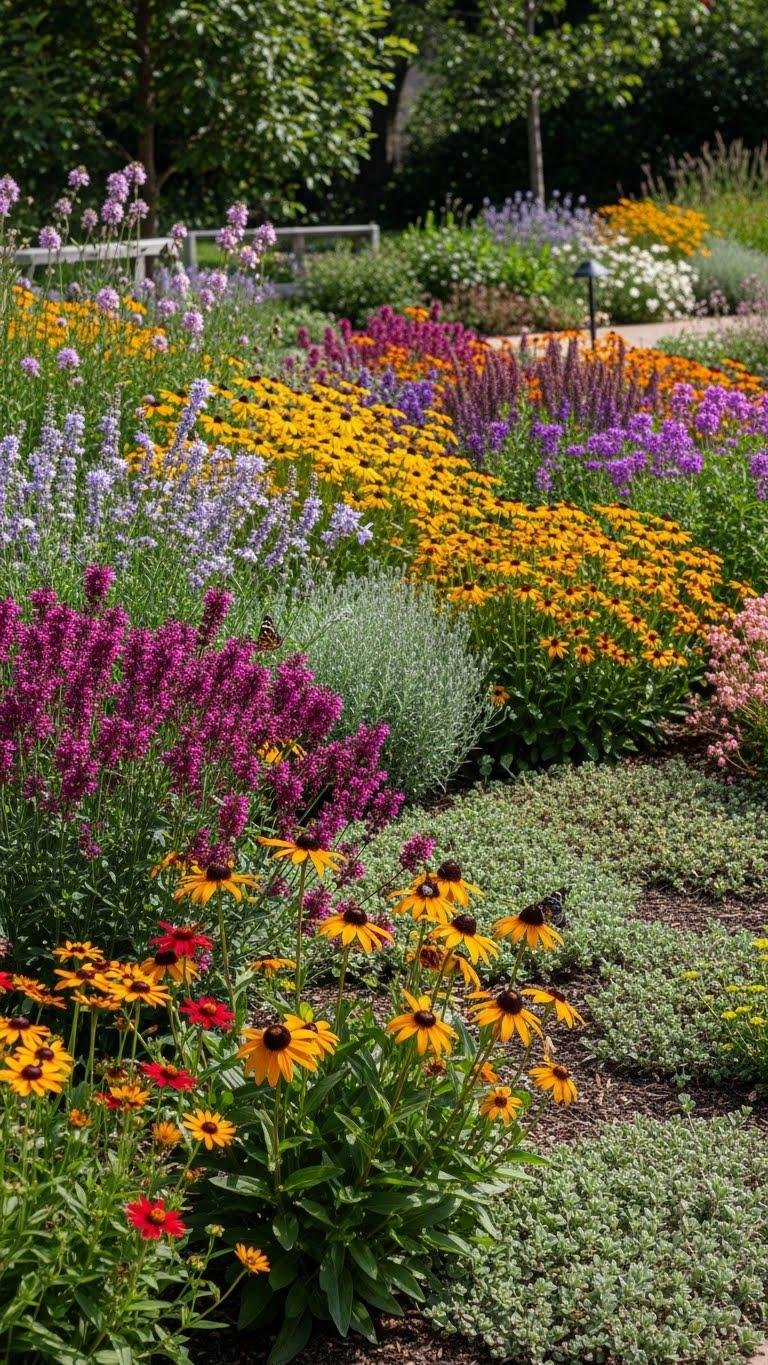
Bring native perennials together and you’ll get a resilient, wildlife-friendly bed that needs little fuss. Choose drought tolerant perennials and low-growing native groundcovers to lock soil, suppress weeds, and cut watering.
Plant in drifts for bold color and easy maintenance. You’ll enjoy a natural, free-flowing plot that attracts pollinators, resists pests, and gives you more time to live outside.
Solar Lighting and Pathway Accents

Your native perennial bed will glow after sunset if you add solar lighting and simple pathway accents that guide movement and extend evening use.
Place low-profile stake lights along curves for subtle rhythm, or group lanterns at seating points.
Create clear solar pathways with warm LEDs, keeping wiring free and maintenance minimal.
You’ll enjoy longer nights outdoors, freedom to roam, and effortless ambiance.