
You want a yard that looks polished without eating your weekends, so you’ll explore easy styles that mix hardy plants, smart hardscapes, and simple irrigation. Picture gravel paths, clover lawns, drought‑tolerant succulents, and pollinator meadows that mature on their own. Each approach saves time and water while still giving structure and seasonal interest—keep going and you’ll find the handful of choices that match your climate, budget, and how much effort you actually want to spend.
Gravel and River Rock Gardens
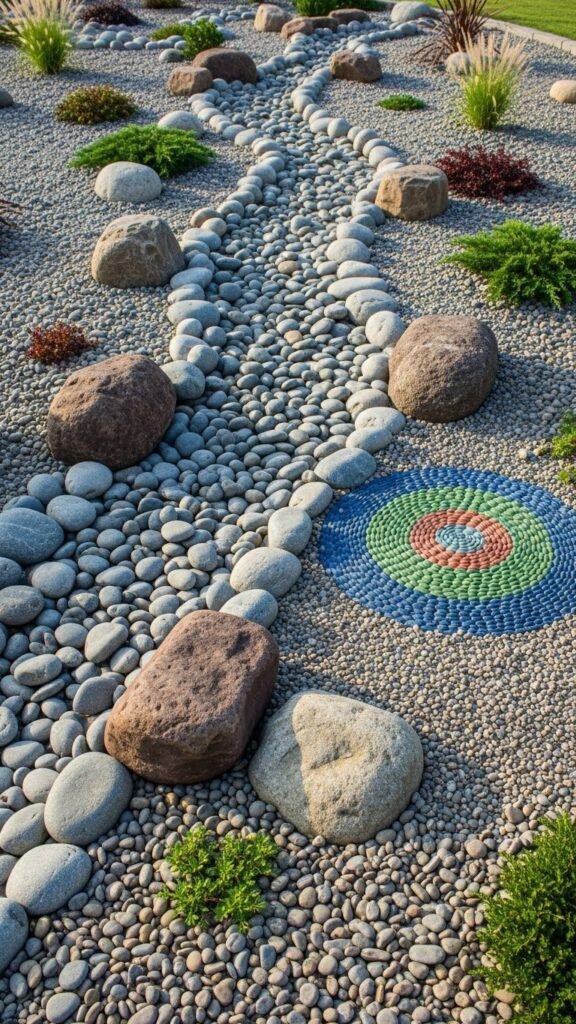
Gravel and river rock gardens offer a clean, low-maintenance alternative to lawns that still feels natural and designed. You can lay dry creekbeds to channel water, place larger river stones as anchors, and craft pebble mosaics for focal points.
You’ll save time watering and mowing, gain textured surfaces, and enjoy a liberated yard that’s purposeful, tidy, and visually spare.
Native Plant Prairie Beds

If you want the same low-maintenance feel but with more seasonal color and wildlife, native plant prairie beds are a perfect choice.
You’ll work with prairie soil and local seed mixes to create open, breeze-friendly swaths that bloom and self-seed. Plant in drifts, let natives establish, and mow once annually.
You’ll gain freedom from fuss and a living, changing landscape.
Drought-Tolerant Succulent Landscapes
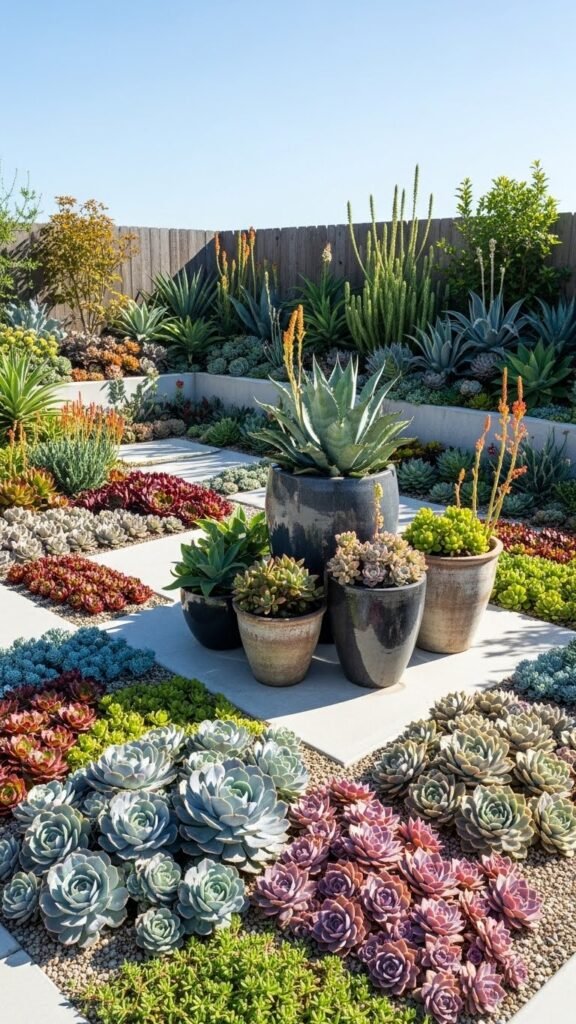
Often overlooked, drought-tolerant succulent landscapes give you striking, low-effort yards that thrive on neglect.
You’ll arrange succulent mosaics across gravel beds, mixing shapes and colors for bold texture.
Add container succulents on patios for movable focal points that let you travel freely.
Water sparingly, mulch with coarse grit, and enjoy a resilient, minimalist garden that saves time and opens up your life.
Creeping Thyme Groundcover Lawns

Switching from sculptural succulents to a soft, living lawn, creeping thyme gives you a fragrant, low-mow groundcover that tolerates foot traffic and drought.
You’ll plant mats that release scent underfoot, define a scented pathway, and open sunny spots into a pollinator habitat.
It needs little water, occasional trimming, and lets you reclaim time while enjoying texture, color, and bees.
Mulch-Covered Planting Zones
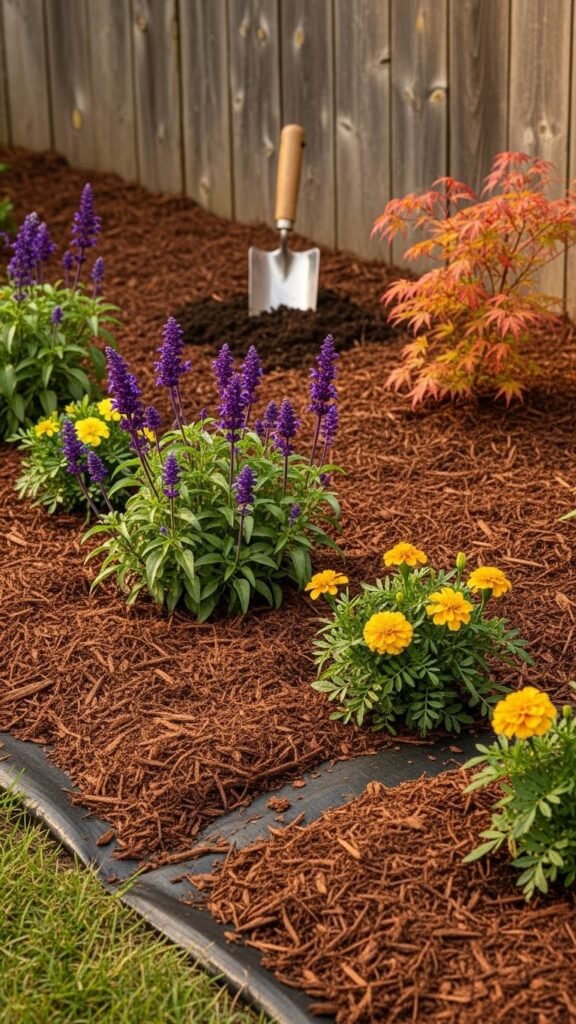
With a clean sweep of mulch you’ll create planting zones that cut down weeding, conserve moisture, and give beds a finished, low-maintenance look.
Do solid soil preparation first — loosen, amend, settle. Lay a breathable weed barrier where needed, then spread 2–4 inches of mulch. You’ll reduce chores, protect roots, and enjoy tidy, carefree beds that invite relaxation.
Raised Planter and Container Gardens

Grouping raised planters and containers brings instant structure and easy access to your garden, letting you plant densely without bending or wrestling with poor soil.
You’ll mix vertical herb beds with low beds and self-watering tubs for hands-off growth. Choose durable materials, arrange by sun exposure, and keep paths clear so you can harvest, rearrange, or relax without hassle or heavy upkeep.
Artificial Turf Front Yards
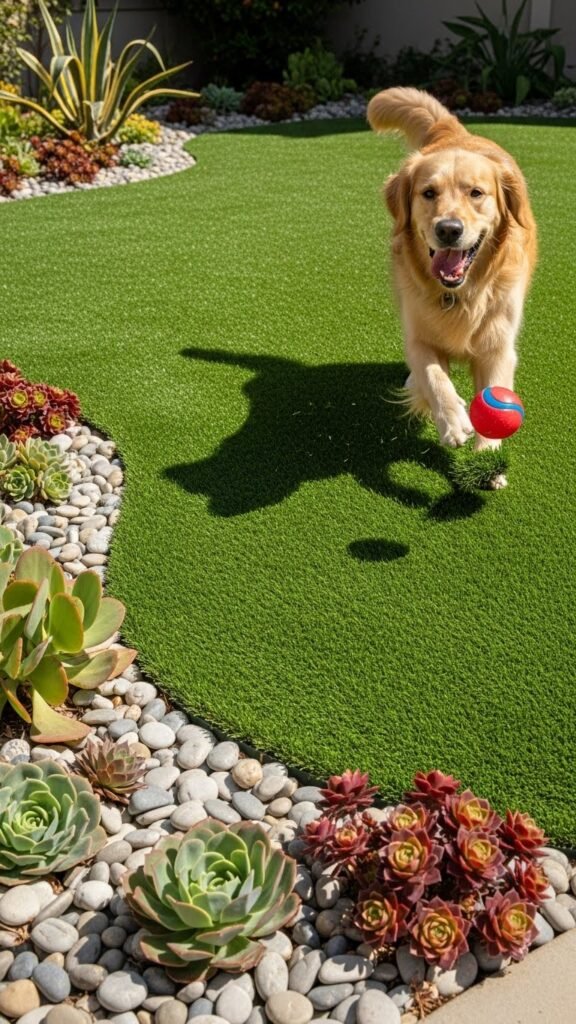
Artificial-turf front yards give you a neat, green curb appeal without weekly mowing or worrying about drought-stressed patches.
You’ll get low fuss with realistic fake sod that drains well and stays tidy. Choose pet friendly turf so dogs can play and you won’t deal with muddy messes.
Pair with simple borders and native succulents for freedom to travel and minimal upkeep.
Decomposed Granite Pathways With Steppers
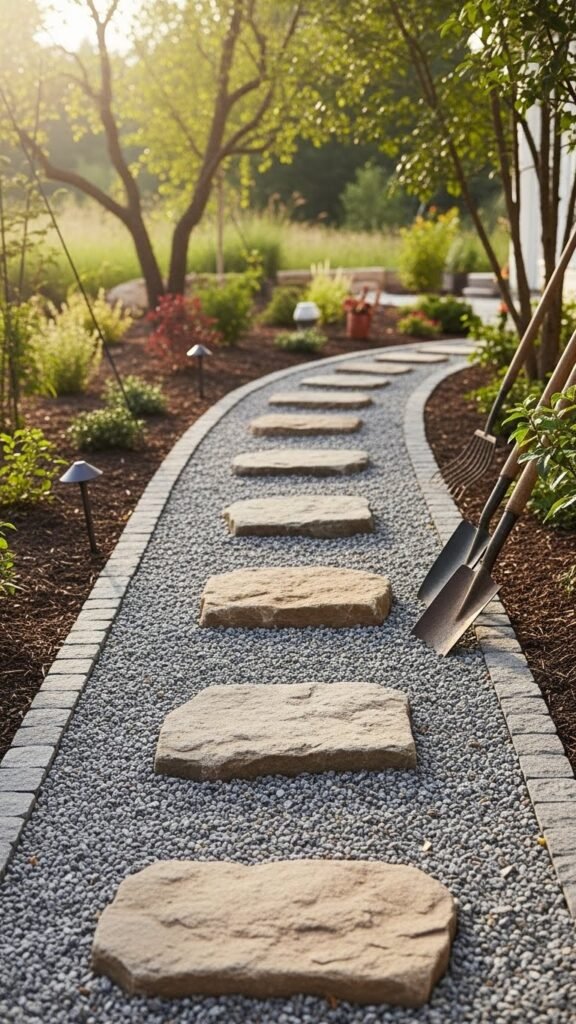
Lay down decomposed granite and stepper stones to create a clean, low-water pathway that feels natural and stays tidy.
You’ll anchor stones with permeable edging so water drains and roots don’t creep in.
Walk confidently on textured surfaces, enjoy minimal upkeep, and do light seasonal raking to keep edges sharp.
The result’s freeing: a durable, simple route that matches a relaxed lifestyle.
Low-Mow Clover Lawns
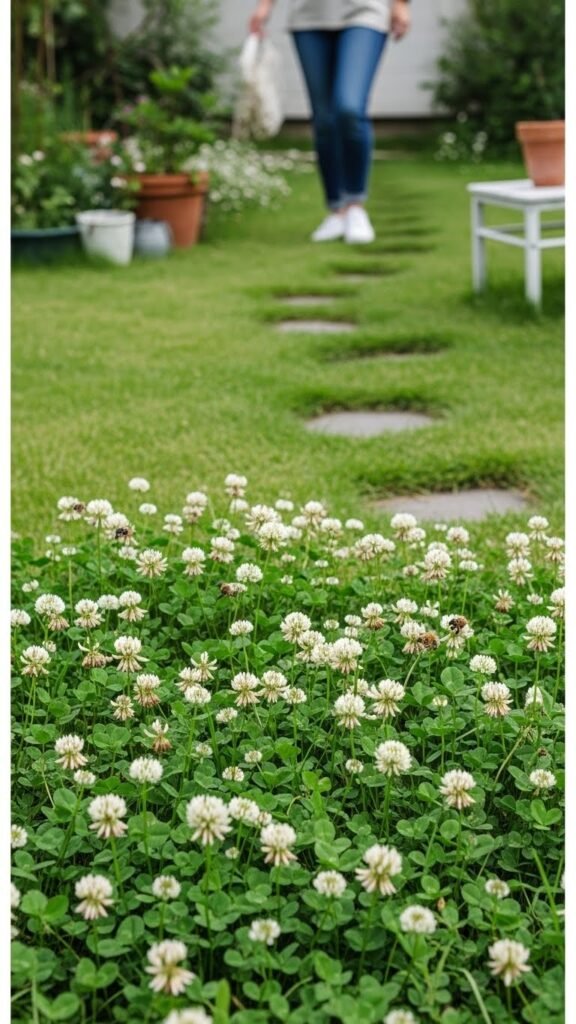
Often overlooked, low-mow clover lawns cut your work and water use while giving you a lush, soft groundcover that tolerates light foot traffic.
You’ll plant white clover, let blooms attract bees, and enjoy pollinator benefits while mowing rarely.
Clover fixes nitrogen, offering real soil enrichment so you ditch fertilizers.
It feels freeing, low-effort, and inviting — a practical, quiet lawn alternative.
Evergreen Privacy Screens and Hedges
Perennial Pollinator Meadows
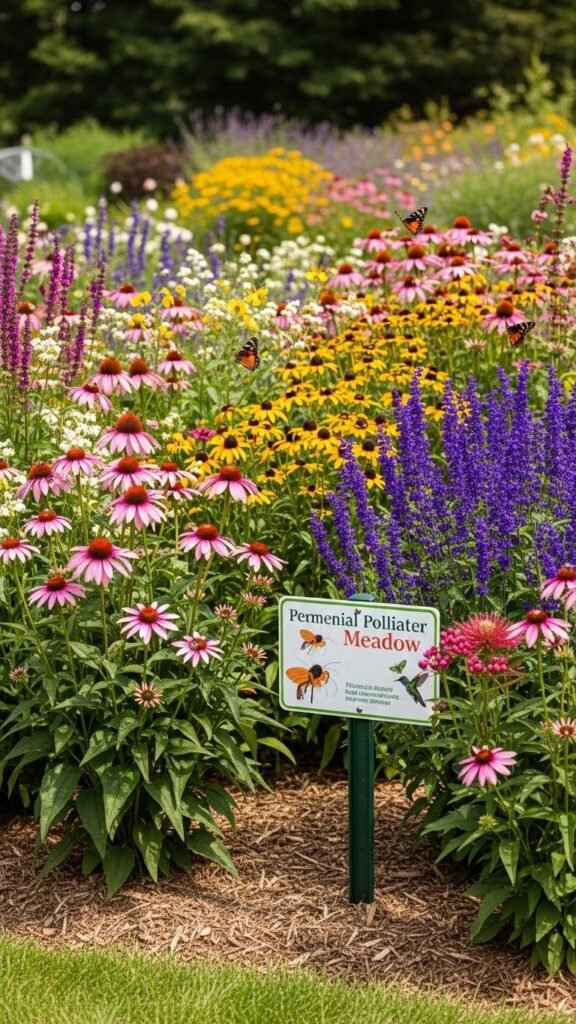
Creating a perennial pollinator meadow brings color and wildlife to your yard with minimal yearly fuss: native, long-blooming perennials like coneflower, milkweed, and salvia attract bees, butterflies, and hummingbirds while cutting down on mowing and replanting.
You’ll plan seasonal bloom timing for continuous color, mulch lightly, let seedheads stand, and add pollinator friendly signage so neighbors respect your wild patch and you stay free to roam.
Xeriscape Rock Gardens
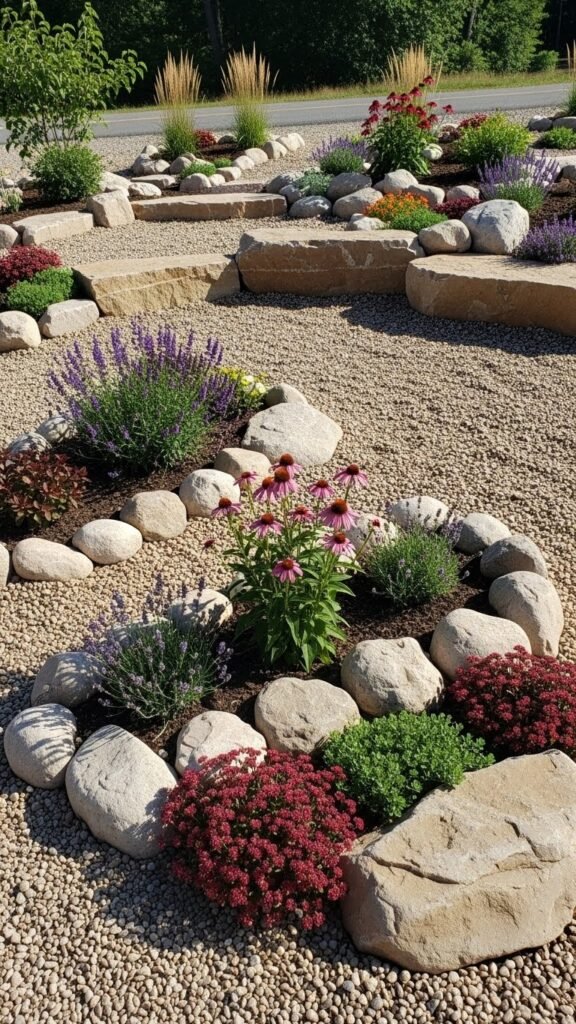
A xeriscape rock garden lets you enjoy a striking, low-water landscape by combining drought-tolerant plants, gravel or decomposed granite, and well-placed stones to mimic natural arid scenes.
You’ll design pockets for seasonal rockplanting, choose tough natives that attract native pollinators, and arrange stones for windbreaks and seating.
It’s minimalist, freeing, and practical—set it up once and savor effortless, sunlit beauty.
Monkey Grass Border Beds
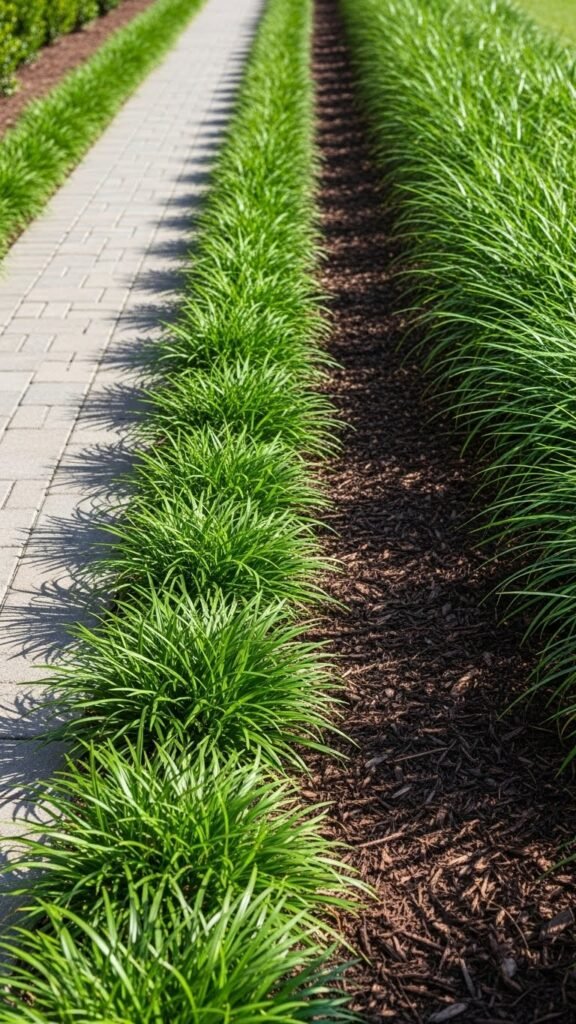
Often you’ll line walkways, beds, or foundation edges with monkey grass to give a neat, evergreen edge that takes almost no fuss. You’ll plant tight rows as ornamental edging, trimming once a season and using seasonal mulching to suppress weeds.
It creates a low, textured border that frames paths and beds, freeing you from constant upkeep while keeping a tidy, natural look.
Minimalist Paver Patios and Firepits
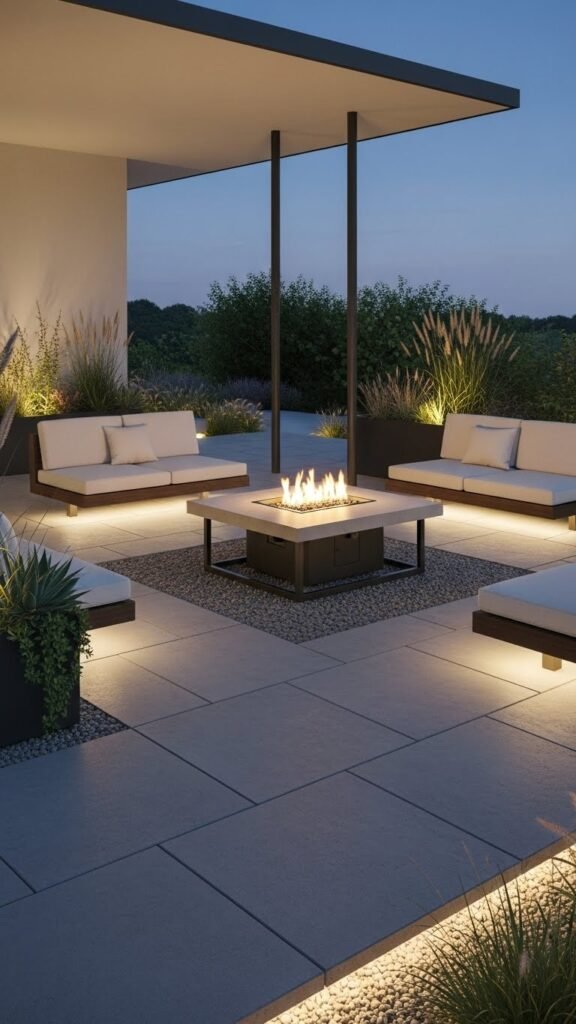
Dial in a simple layout with clean lines and you’ll get a stylish, low-effort patio that centers on functionality: smooth pavers set in tight joints, a compact gas or wood firepit, and minimal furniture create a sheltered spot for evenings without a lot of maintenance. Choose permeable pavers for drainage, place a modular firepit on a level bed, and keep plantings sparse so you can relax and go.
Shade-Tolerant Woodland Plantings
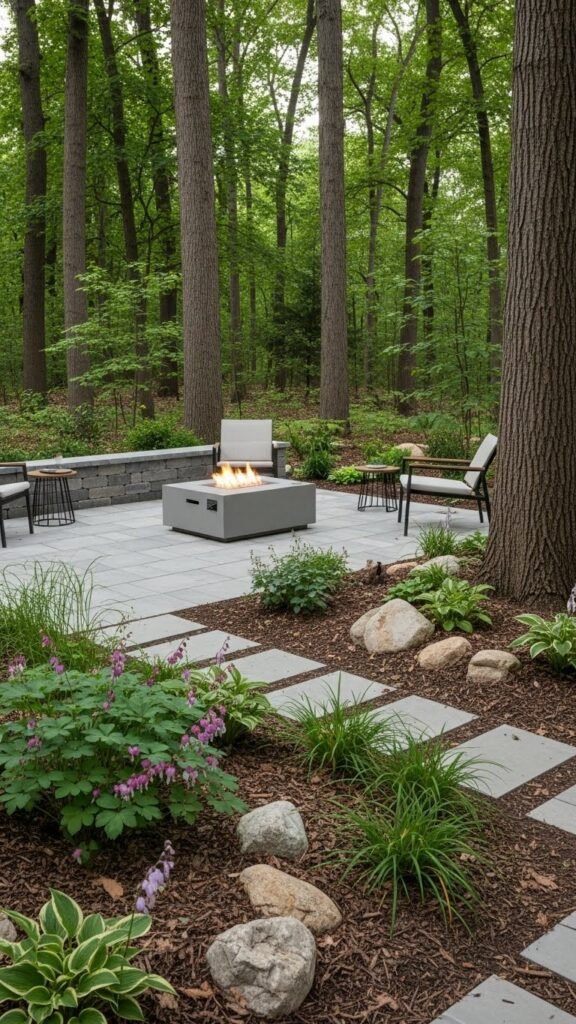
Creating a shady woodland garden lets you transform underused, dim corners into low-maintenance, layered landscapes that feel natural and calm.
You’ll choose native trees, a mulch free understory of leaf litter and stones, and fern compatible companions like hostas, bleeding hearts, and woodland sedge. Plant in drifts, leave paths, and let seasons shift textures so maintenance stays minimal and freeing.
New Zealand Brass Buttons Carpets
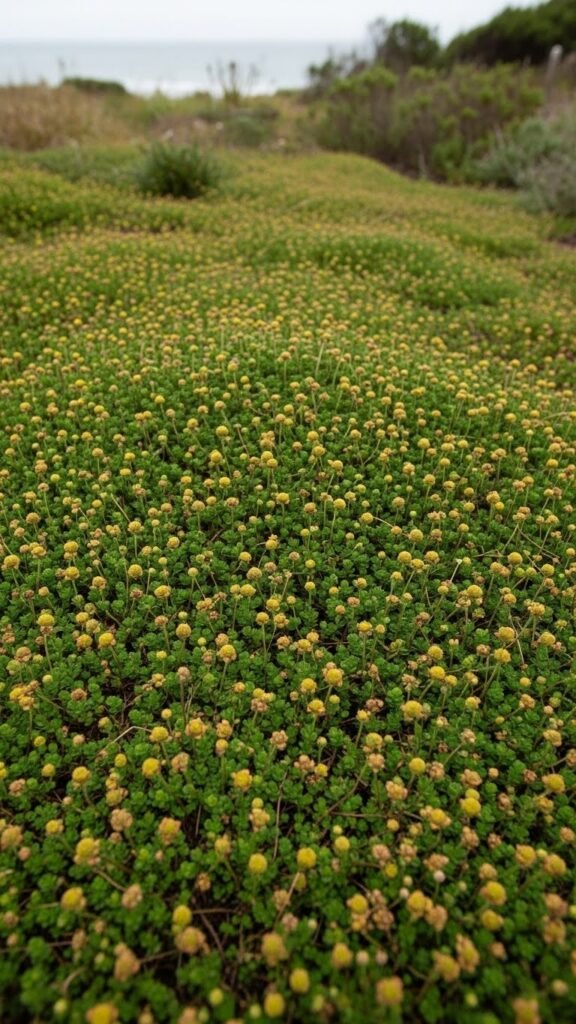
You’ll find New Zealand brass buttons (Leptinella squalida) makes an excellent low‑growing carpet for shady spots and dry edges, forming dense mats of tiny, fern‑like foliage topped by buttonlike blooms.
You’ll pair it with low growing Gaultheria or mat forming Acaena for texture contrast; coastal tolerant habit suits seaside yards. It’s compact, drought‑wise and offers modest wildlife shelter without fuss.
River Rock Driveway Edging
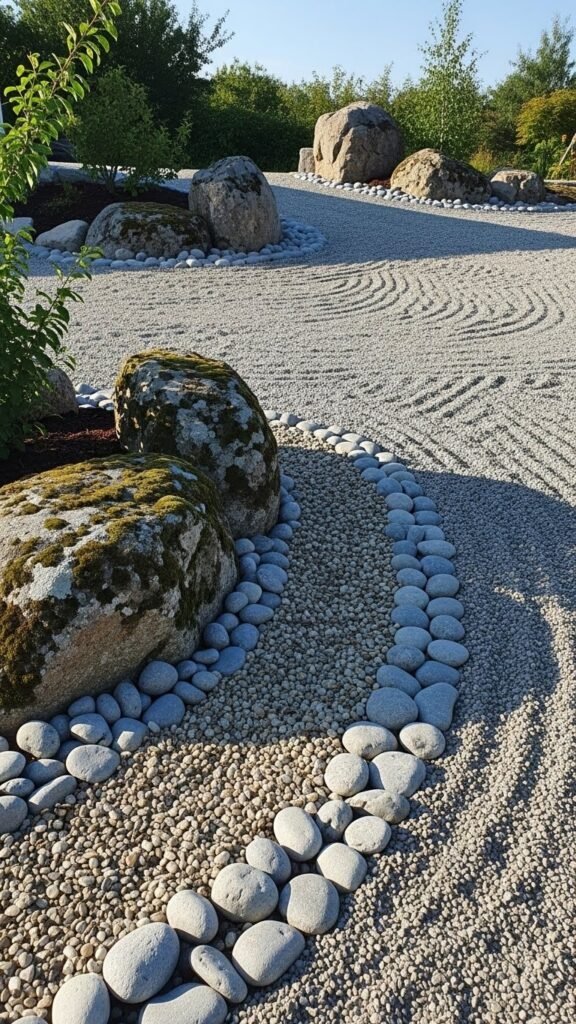
Frame your driveway with river rock edging to add clean definition, improve drainage, and cut down on maintenance. You’ll create a low-effort border that guides water away, uses drainage solutions like gravel trenches, and resists weeds.
Mix boulder accents for texture and scale, stake a simple metal edge, and enjoy a tidy, free-feeling driveway that lets you spend less time working and more time living.
Low-Profile Native Shrub Gardens
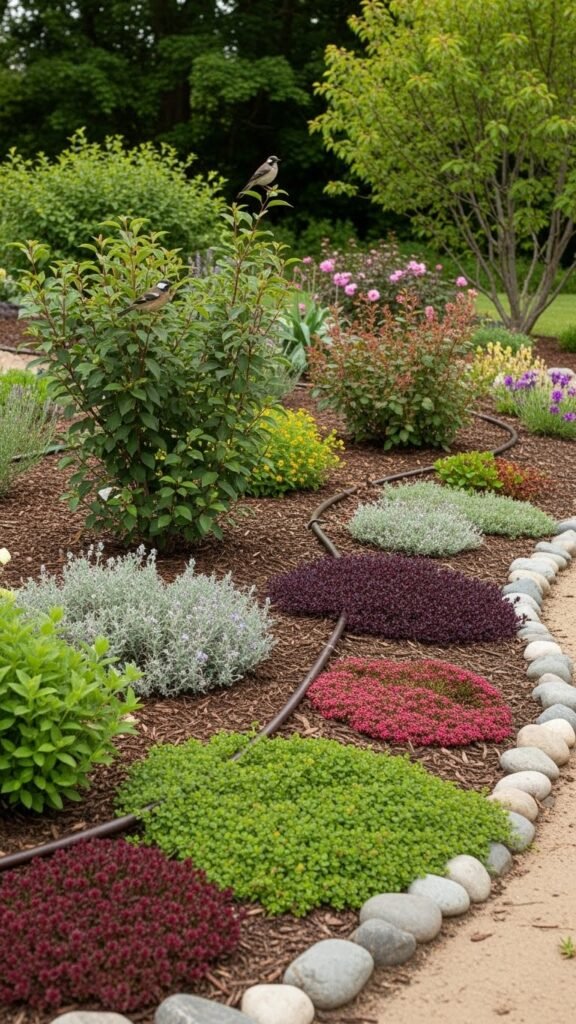
After edging your driveway with river rock, carry that same tidy, low-effort look into low-profile native shrub gardens that sit close to the ground and keep maintenance minimal.
You’ll plant native groundcovers and select shade tolerant shrubs for texture, seasonal bloom, and bird-friendly cover. Mulch, drip irrigation, and occasional pruning let you enjoy a calm, uncluttered yard that frees up your time.
Edible Container and Compact Veggie Plots
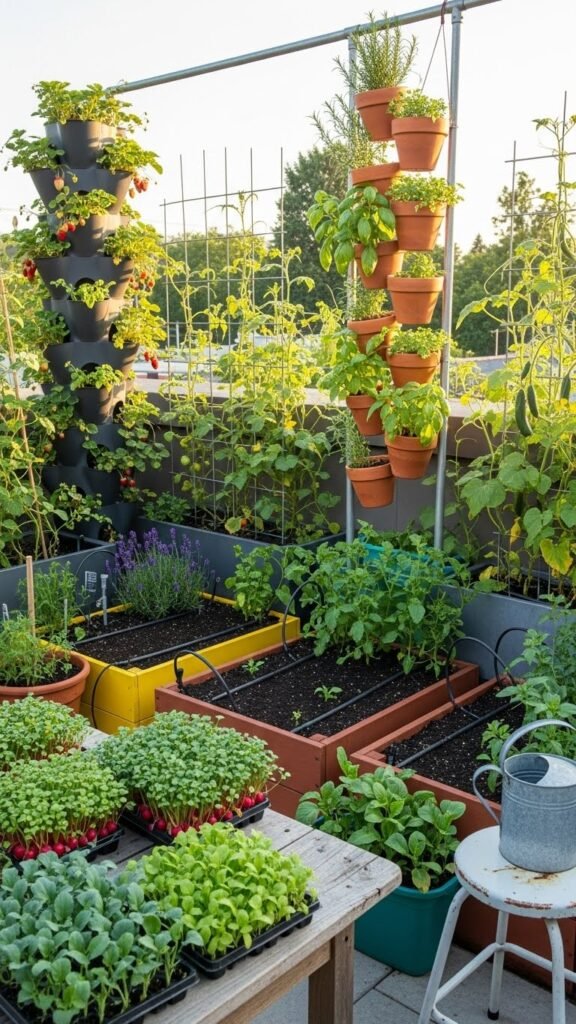
Bring food production down to a manageable scale by grouping vegetables and herbs in containers and compact raised beds that fit patios, balconies, or narrow strips beside paths.
You’ll maximize yield with vertical towers, trellises, and staggered pots, while microgreen trays give fast, dense harvests.
Choose drought-tolerant varieties, use good soil, mulch, and drip irrigation, and enjoy freedom through simple, productive design.
Blue Fescue and Ornamental Grass Lines
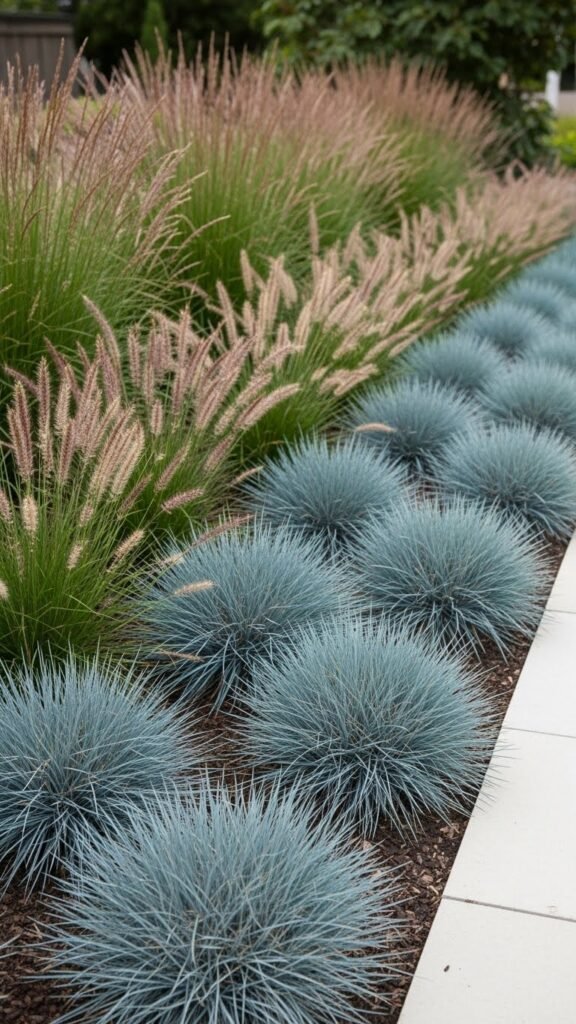
Often you’ll use blue fescue and other ornamental grasses as low-maintenance edging that adds color, texture, and movement with minimal fuss.
You’ll plant textured clumping tufts of silver blue fescue to define paths, soften borders, and create ornamental movement. They demand little care, tolerate drought, and use low water.
Arrange lines for rhythm and freedom—clean, resilient, and effortlessly stylish.
Water-Wise Zen and Gravel Courtyards
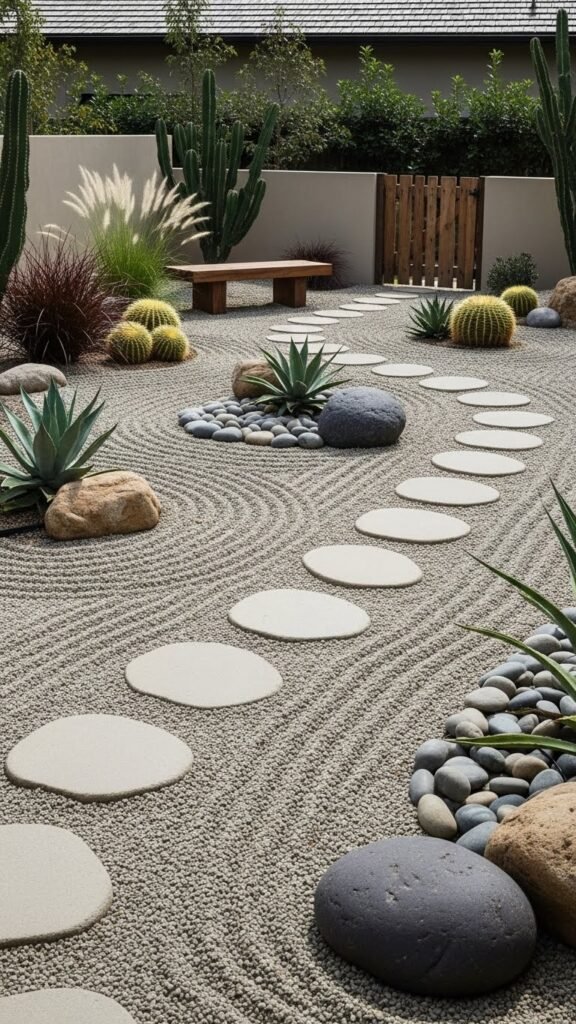
Lean into stillness with a water-wise Zen or gravel courtyard that pares planting back to a few sculptural elements and durable, drought-tolerant materials. You’ll favor a zen gravelscape, raked texture, stepping stones, and gravel paths that guide movement.
Courtyard simplicity lets you relax, reduces watering and upkeep, and gives you an open, uncluttered space to breathe and choose how to use it.
Compact Trees and Dwarf Evergreens
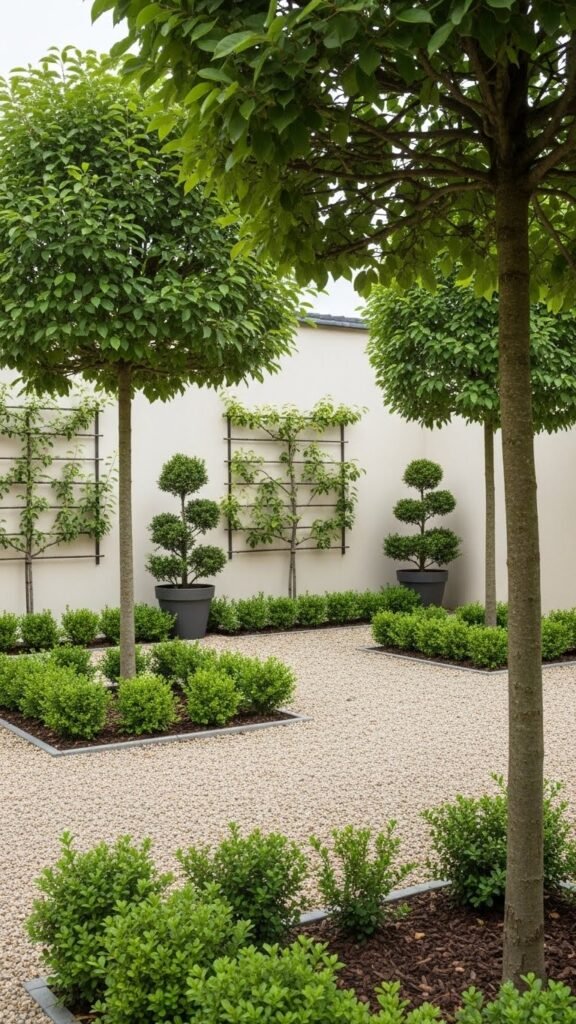
If your gravel courtyard favors open space, add a few compact trees or dwarf evergreens to anchor the composition and offer year-round structure. You’ll choose low-growing specimens or dwarf fruit trees trained with espalier techniques against walls to save space.
These plants create focal points, shade, and privacy without fuss. Prune minimally, mulch sparingly, and enjoy tidy, freeing greenery that’s easy to manage.