
You’ll find plenty of ways to bring color, scent, and sculptural form into your rooms with indoor flowering plants that suit every light level and style. I’ll cover compact windowsill bloomers, low‑fuss holiday flowers, trailing and hanging options, and statement specimens that double as focal points. Pick based on light, care time, and design goals—then decide which plant will lift the mood of your space.
African Violet
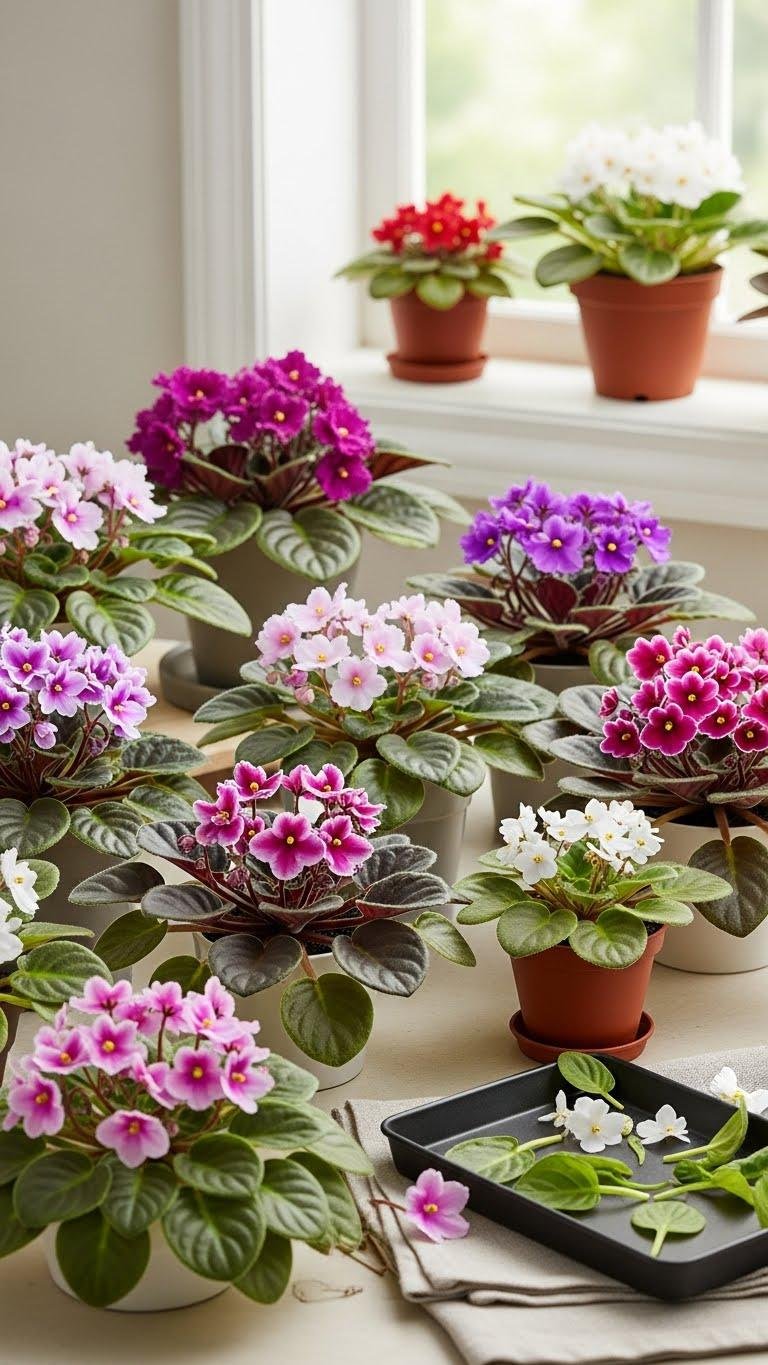
African violets bring compact color to small spaces and reward you with frequent blooms when you meet their simple needs: bright, indirect light, evenly moist but not soggy soil, and consistent humidity.
You’ll choose pots and placements that respect light conditions, prune spent blooms, and try efficient propagation techniques like leaf cuttings.
They suit minimalist spaces, offering low-fuss, freeing floral impact.
Peace Lily
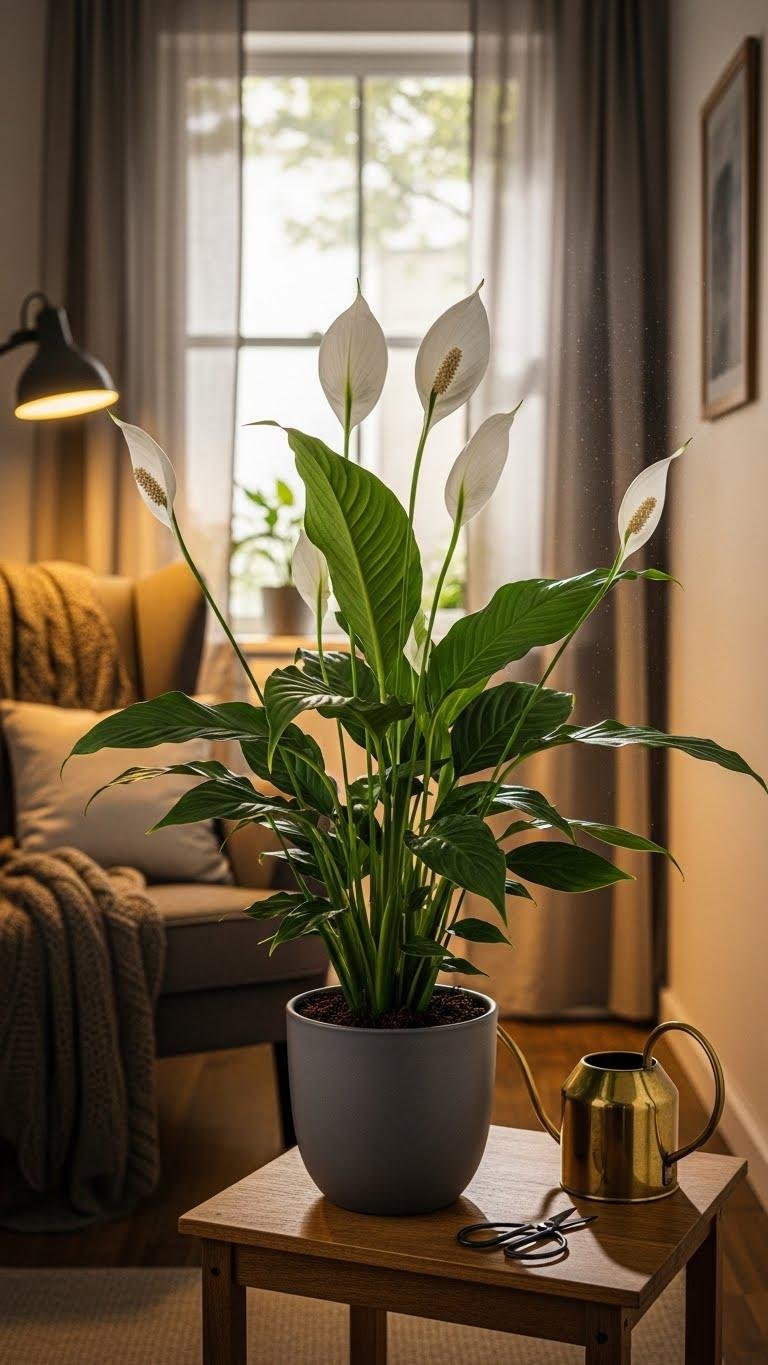
If you loved the compact blooms of violets, you’ll appreciate a Peace Lily’s larger, architectural presence that still fits nicely in a small room.
You’ll enjoy glossy leaves, easy low light care, and sculptural white spathes.
Place it where air circulates, water when soil slightly dries, and practice simple flower spike maintenance: trim spent spikes to encourage fresh blooms and keep the look clean.
Anthurium
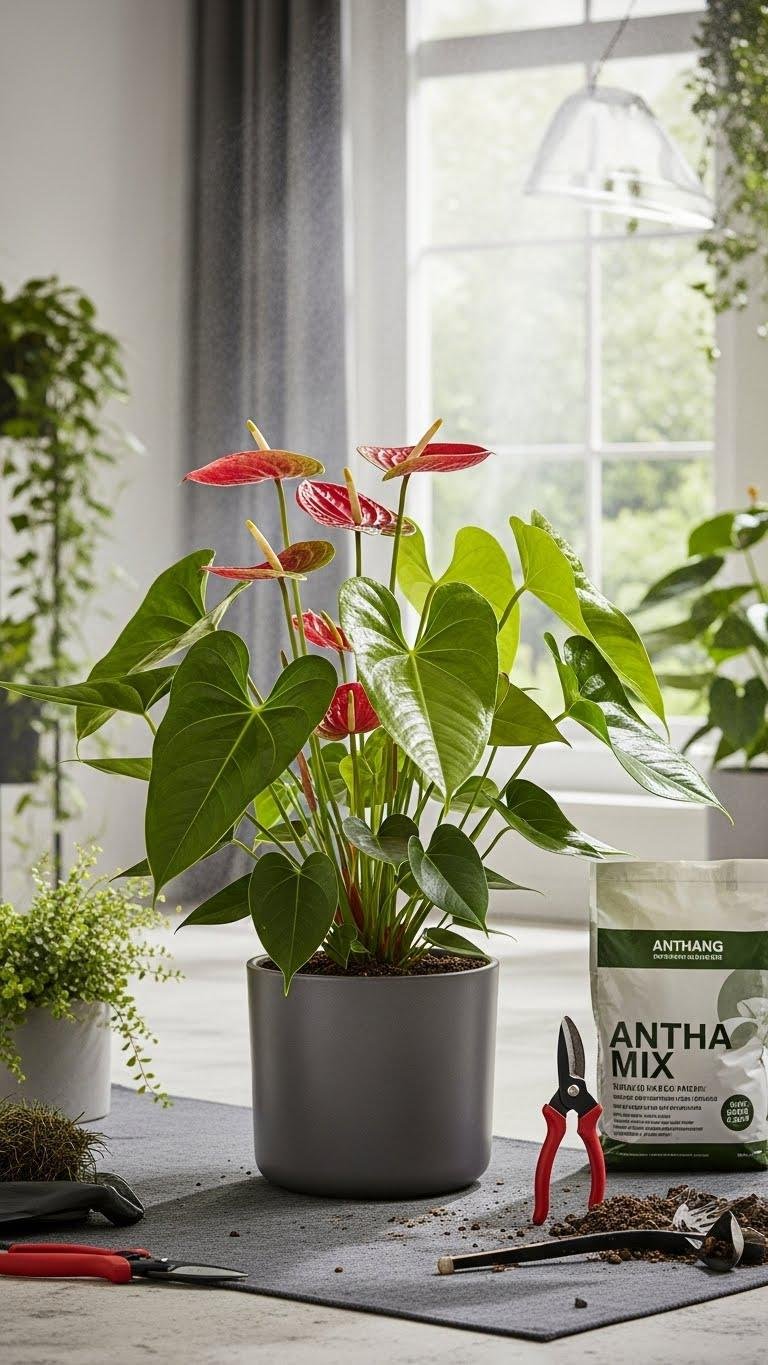
Boldness defines the anthurium’s appeal: glossy heart-shaped leaves and long-lasting, waxy spathes give you instant sculptural color in a small space. You’ll embrace Anthurium care by providing bright, indirect light, consistent humidity, and free-draining mix. Prune spent blooms, rotate the pot for even growth, and learn Blooming triggers—warmth plus stable conditions—to encourage repeat flowering and confident, liberated styling.
Hoya
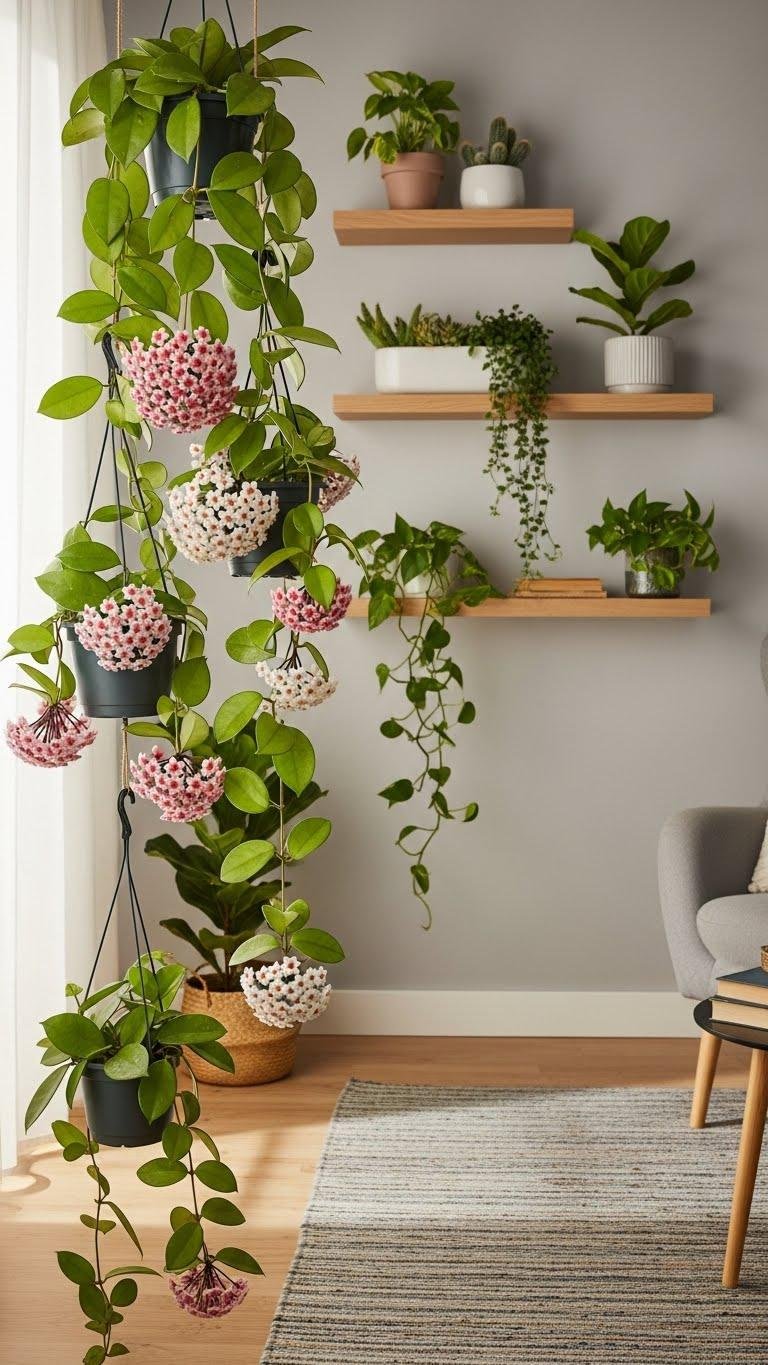
After enjoying the sculptural drama of anthuriums, you can bring a contrasting, relaxed vibe to your space with hoyas—trailing or vining succulents prized for their waxy, star-shaped blossoms and thick, glossy leaves.
You’ll love the low-maintenance wax plant or porcelain vine in hanging pots; a trailing hoya frees shelves, and a fragrant hoya rewards light with scented clusters—minimal fuss, maximum mood.
Kalanchoe
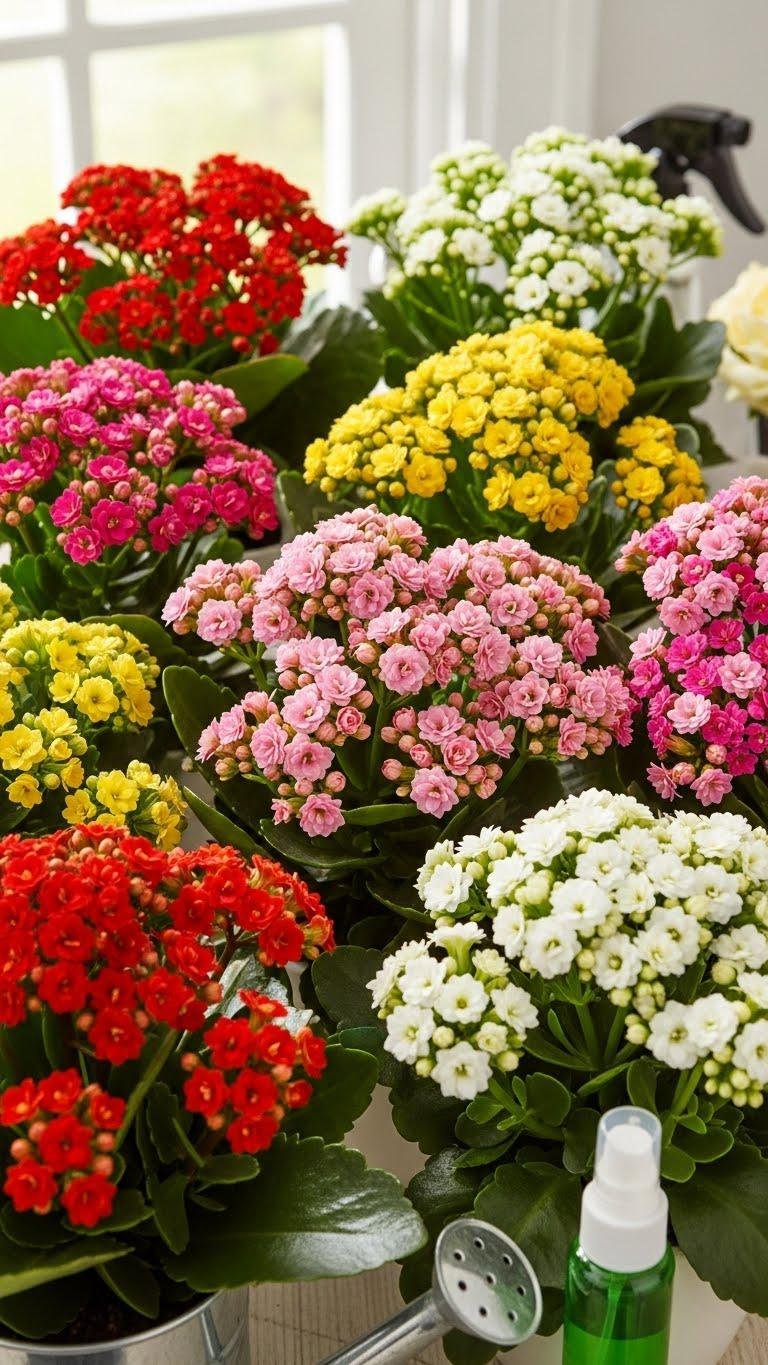
Succulents like kalanchoe make a bright, fuss-free addition to any room, thanks to their compact rosettes and long-lasting clusters of blooms that come in cheerful reds, pinks, yellows, and whites.
You’ll enjoy low-maintenance color: give bright indirect sun, moderate watering, and minimal fuss.
Check light requirements for placement and stay vigilant with simple pest management to protect leaves and blooms while keeping design freedom.
Orchid (Phalaenopsis)
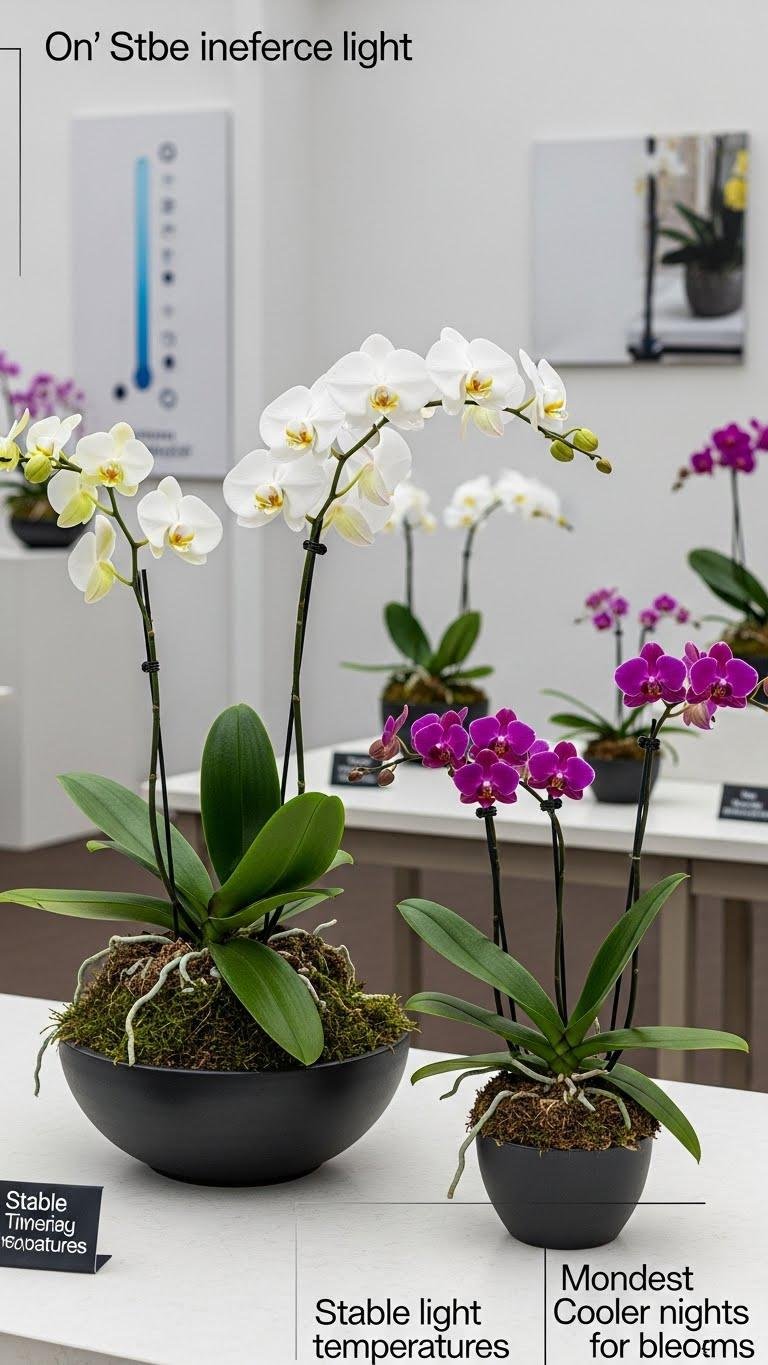
Often overlooked for their elegance, Phalaenopsis orchids bring a refined, sculptural touch to interiors and thrive where you can provide bright, indirect light and stable indoor temperatures.
You’ll enjoy minimalist display options; learn simple orchid care—well-draining mix, modest watering, humidity. Control bloom triggers with cooler nights and consistent light to encourage repeats. They free your space with lasting, architectural blooms.
Begonia (Flowering Varieties)

Begonias reliably brighten indoor spaces with lush foliage and abundant flowers, and their range—from ruffled, showy rex-type leaves to classic cane and wax varieties—lets you pick a look that suits your design. You’ll choose tuberous hybrids for bold blooms or compact begonias for window sills, monitor soil moisture to prevent leaf curl, and position specimens where they can roam and refresh a room.
Christmas Cactus
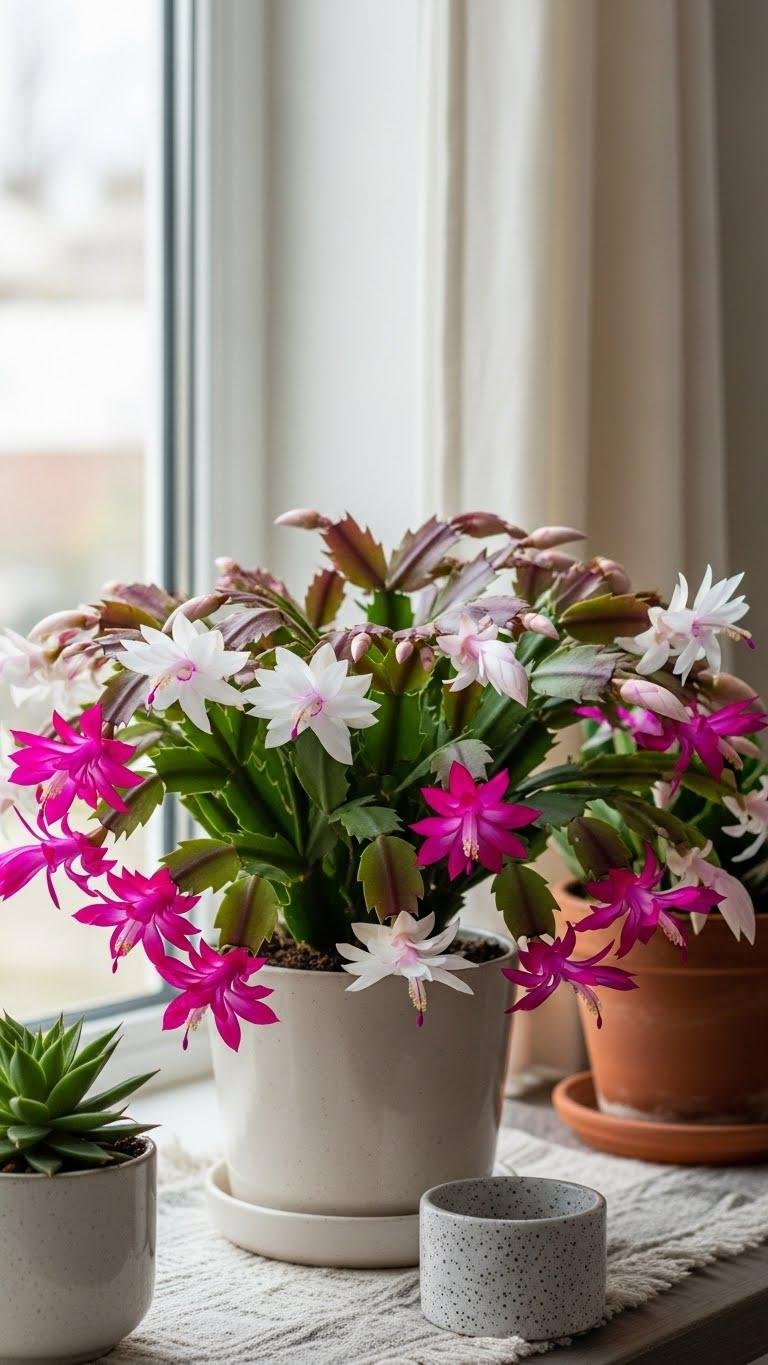
You’ll often spot Christmas cactus (Schlumbergera spp.) brightening holiday windows with its flat, segmented stems and late-season blooms that range from white to deep magenta.
You’ll appreciate its low-maintenance vibe: follow a consistent watering schedule, use airy, well-draining potting mix, provide bright indirect light, and allow cool nights to encourage buds.
It’s sculptural, freeing, and reliable in compact spaces.
Bromeliad
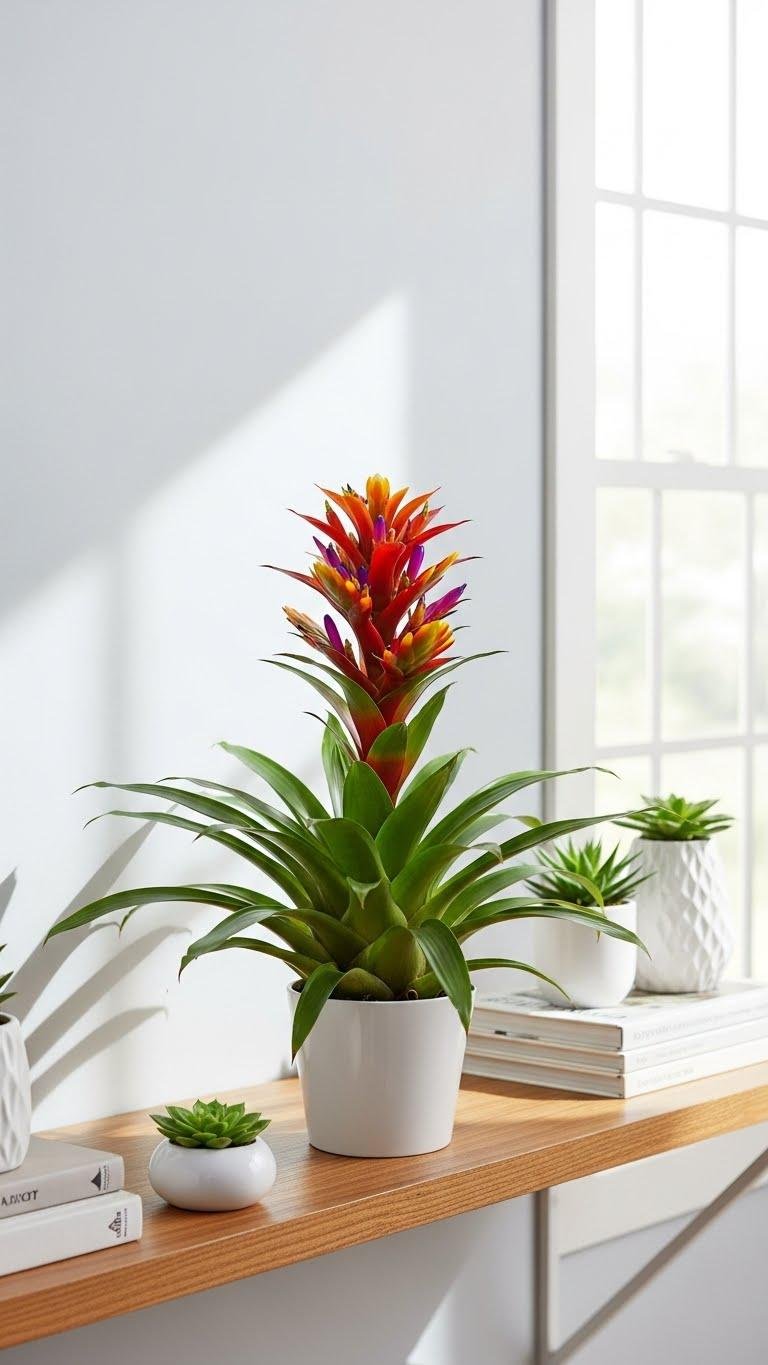
Bring bold color and architectural form to small spaces with a bromeliad — a low-fuss houseplant prized for its rosettes of stiff leaves and long-lasting central flower spikes.
You’ll enjoy air purifying benefits while styling shelves or desks. Place it in bright, indirect light, water the central cup, and follow simple care for propagation by removing pups once roots form to expand your indoor garden.
Cyclamen
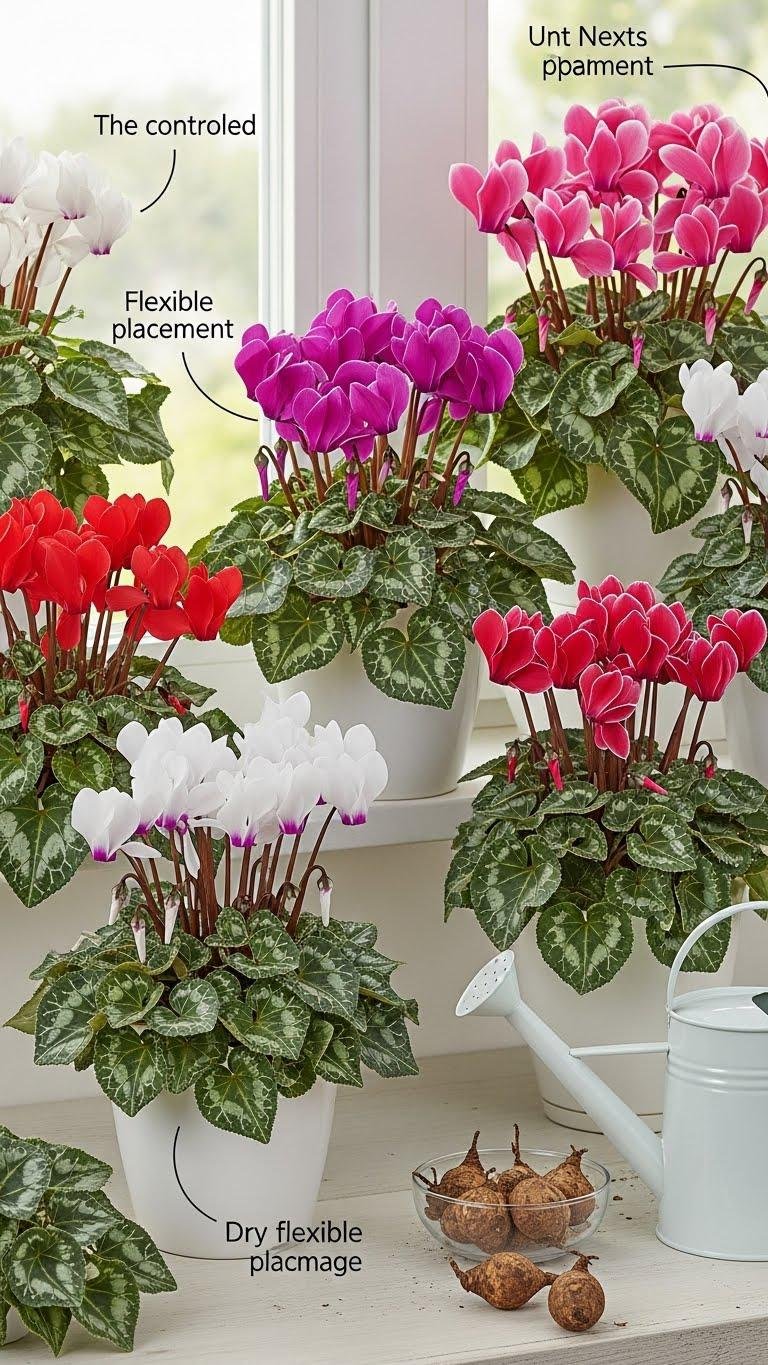
Paragraphs
Gardenia (Indoor Varieties)
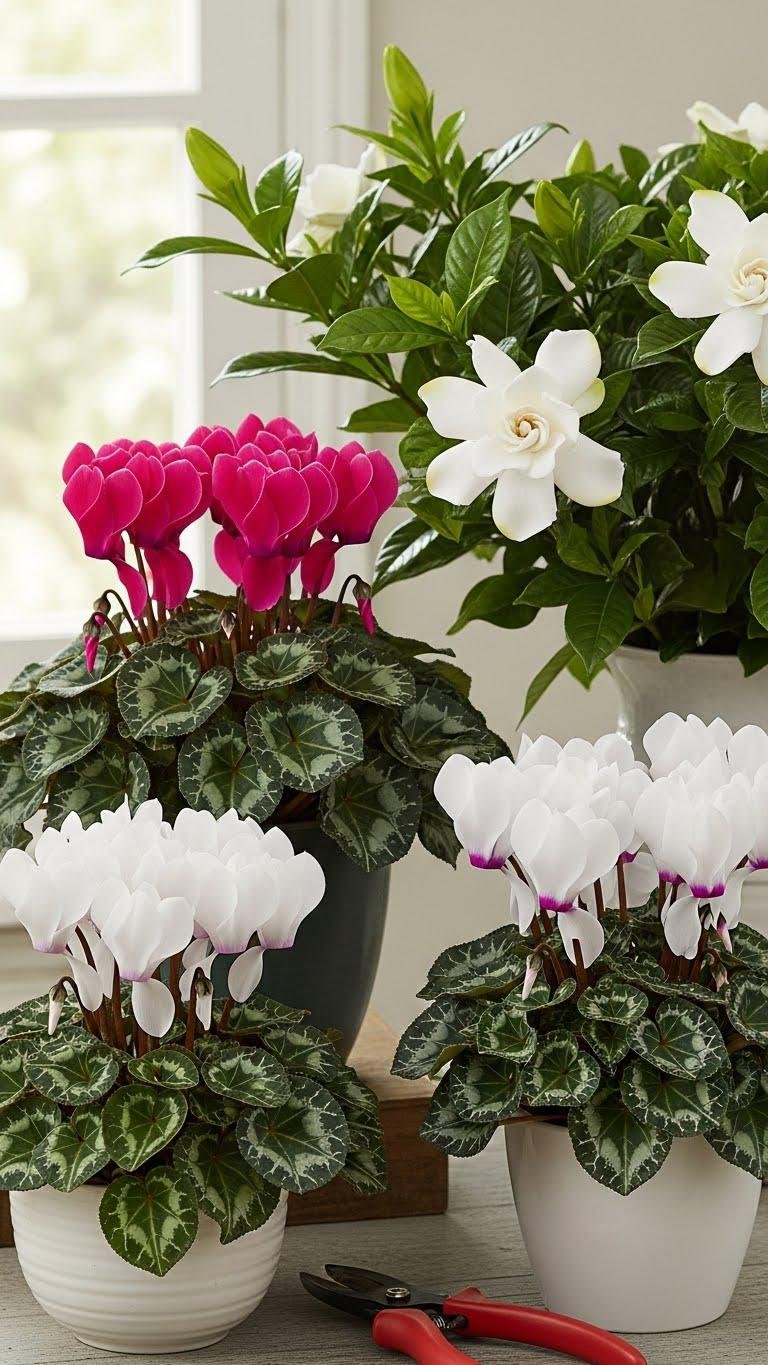
From the cool, patterned charm of cyclamen to the heady, glossy presence of gardenias, indoor flowering shifts from delicate form to bold fragrance and foliage.
You’ll place scented white blooms where they liberate a room without overwhelming; scent management means ventilation and selective positioning. Use disciplined pruning techniques to shape compact growth, encourage repeat blooms, and keep leaves glossy for a carefree, elegant display.
Lipstick Plant (Aeschynanthus)
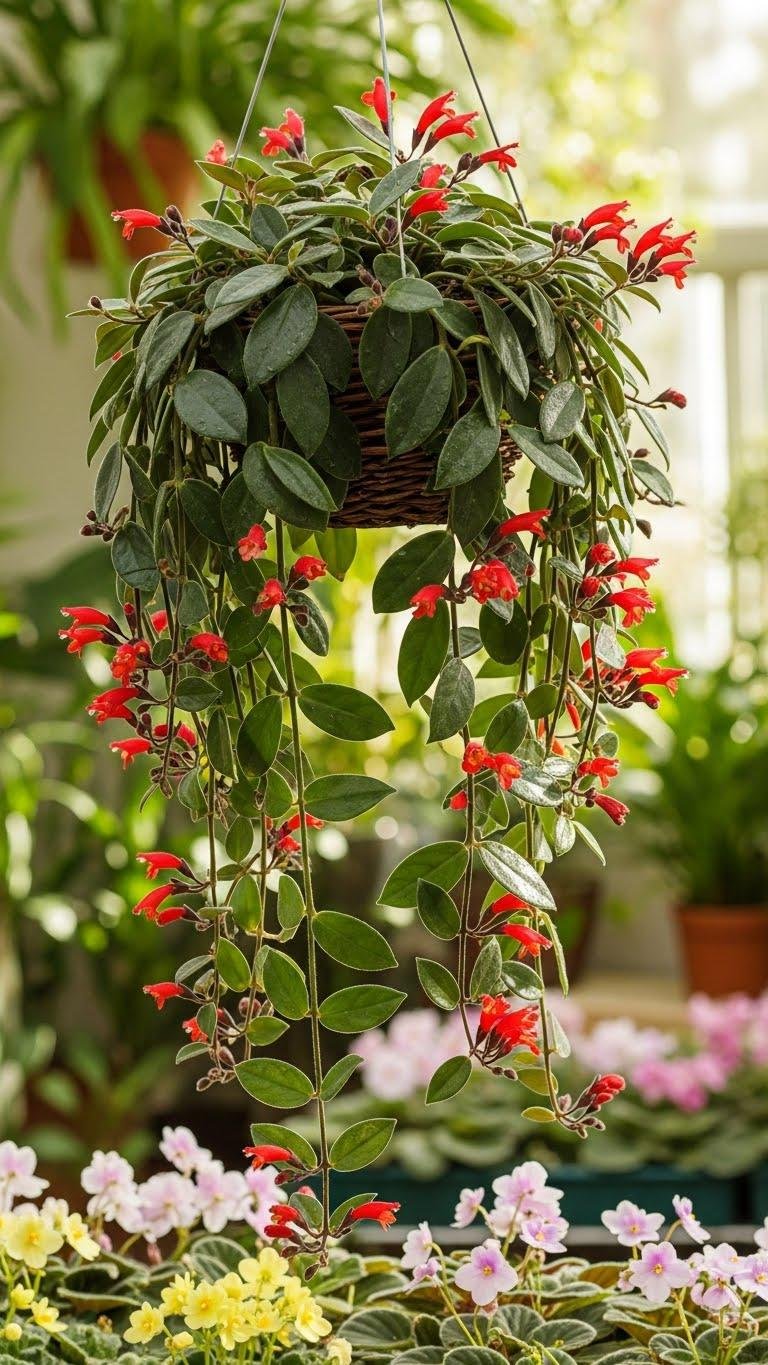
You’ll find the lipstick plant (Aeschynanthus) an ideal choice for hanging baskets or high shelves where its trailing stems and tubular, red-to-orange blooms can be showcased; its glossy, leathery leaves add architectural contrast to softer indoor flowers.
You’ll want bright, indirect light, steady warmth, and humid air; water when topsoil dries. Use well-draining mix, prune for shape, and let vines roam free.
Saintpaulia Hybrids
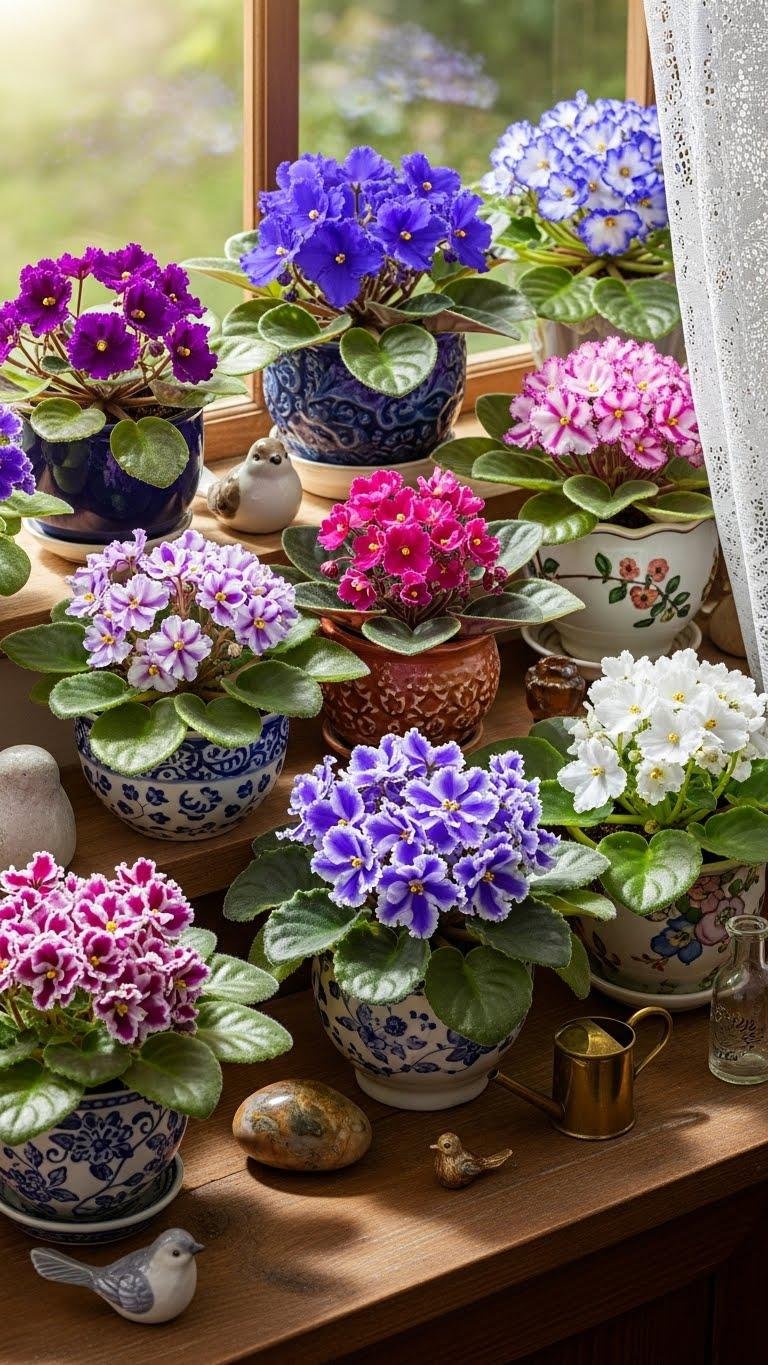
Think of Saintpaulia hybrids as compact color bombs you can tuck onto windowsills, shelves, or small tables to add instant, low-profile charm.
You’ll enjoy compact hybrids that reward simple light, moderate watering, and occasional feeding.
Arrange them in loose groupings to create joyful accents.
Embrace folklore cultivation tales as design-friendly inspiration, but stick to straightforward care so these violets stay vibrant and free.
Nertera (Coral Bead Plant)
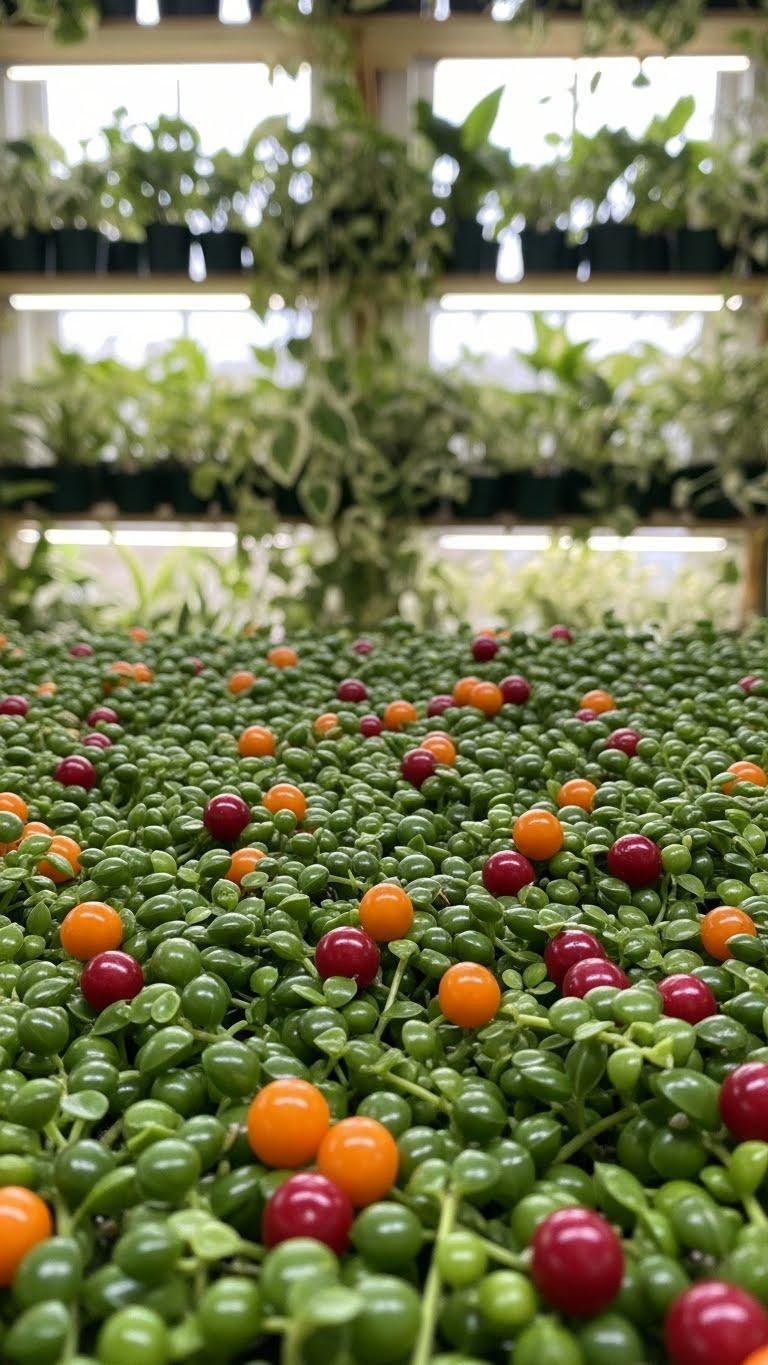
Often overlooked, Nertera (the coral bead plant) rewards attention with carpets of glossy green leaves dotted by bright orange or red berries that feel like living jewelry.
You’ll place it where bright, indirect light flatters its color.
Learn care requirements like consistent moisture and cool temps, and try simple propagation methods—stem cuttings or division—to expand freedom-filled displays across shelves and windowsills.
Streptocarpus (Cape Primrose)
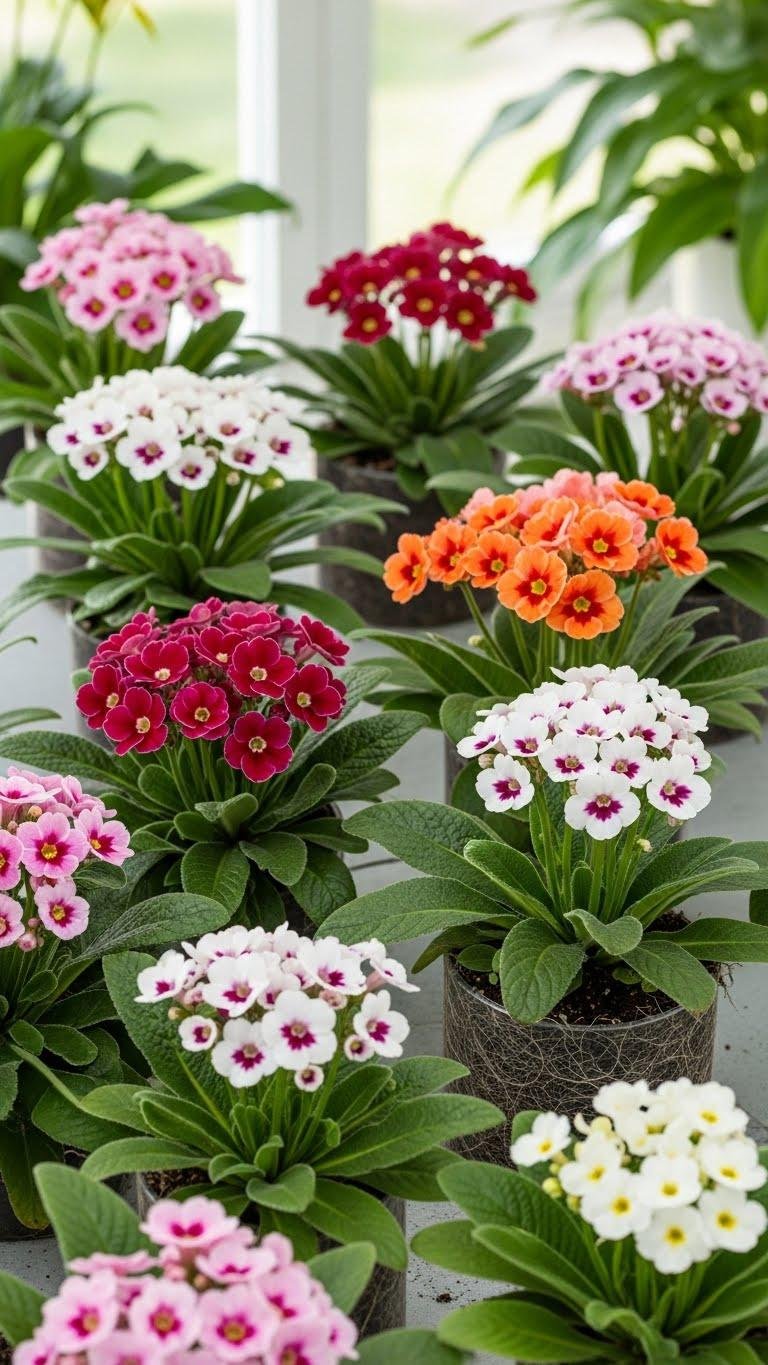
Frequently prized for their theatrical blooms and sculptural foliage, Streptocarpus (Cape primrose) bring long-lasting color to bright, indirect spots where you can appreciate individual rosettes like living ornaments.
You’ll love their effortless statement: practice strepocarpus care with light, airy soil, moderate watering, and deadheading. Choose hybrid selection for varied hues and compact forms that free your design choices while rewarding low-maintenance attention.
Jasmine (Indoor Jasmine)
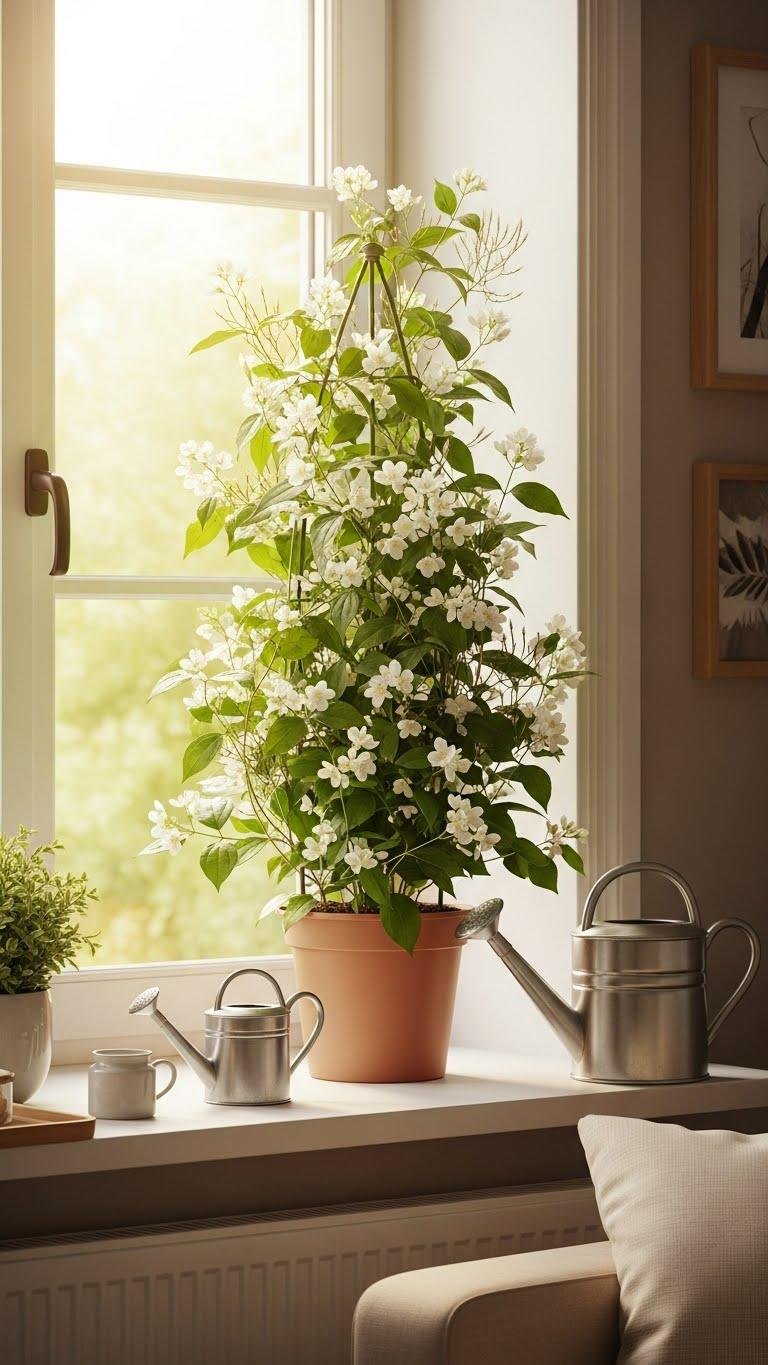
Usually prized for their intoxicating fragrance and elegant vines, indoor jasmines make a striking addition to bright windowsills or clipped into compact standards for tabletop drama.
You’ll enjoy fragrant training—trellises or stakes that let you shape growth while keeping air and light flowing.
Place near sun, water moderately, and expect a rewarding winter bloom that lifts mood and frees your rooms with scent.
Cape Primrose
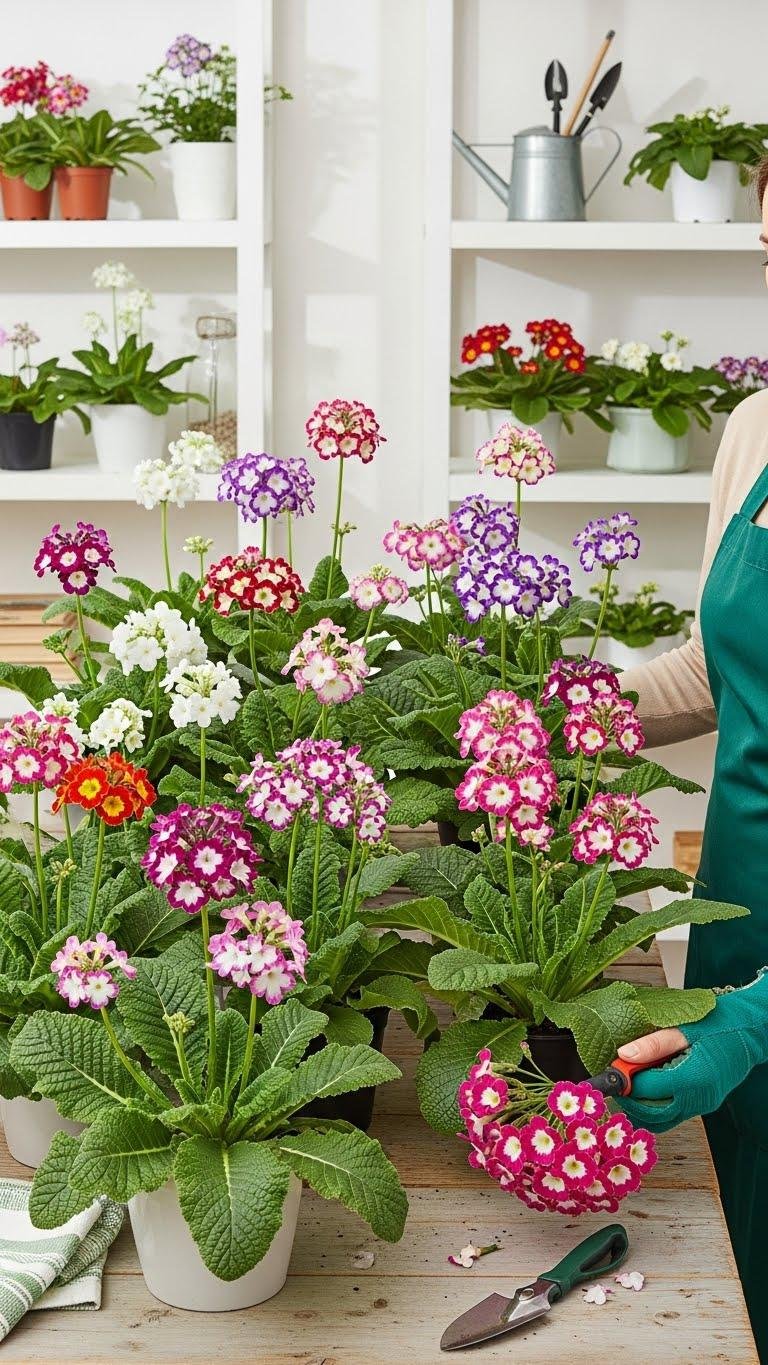
You’ll find Cape primroses (Streptocarpus and related Gesneriads) make compact, long-blooming additions to shelves and tabletops, prized for their trumpet-shaped flowers and attractive, often textured foliage.
You’ll appreciate these compact bloomers for effortless color; give bright, indirect light, well-draining mix, moderate watering, and mild humidity needs.
Rotate regularly and deadhead to extend blooms and maintain a free, uncluttered display.
Calceolaria (Pocketbook Plant)

Think of Calceolaria as a living pocket of theatrical color—those pouch-like flowers pop in bold yellows, oranges, and speckled reds, creating instant focal points on a shelf or tabletop.
You’ll enjoy compact care: bright blooms need cool, indirect light, consistent moisture, and airy soil.
Place it where you want joy without fuss, pruning spent flowers to keep the display fresh and free.
Guzmania
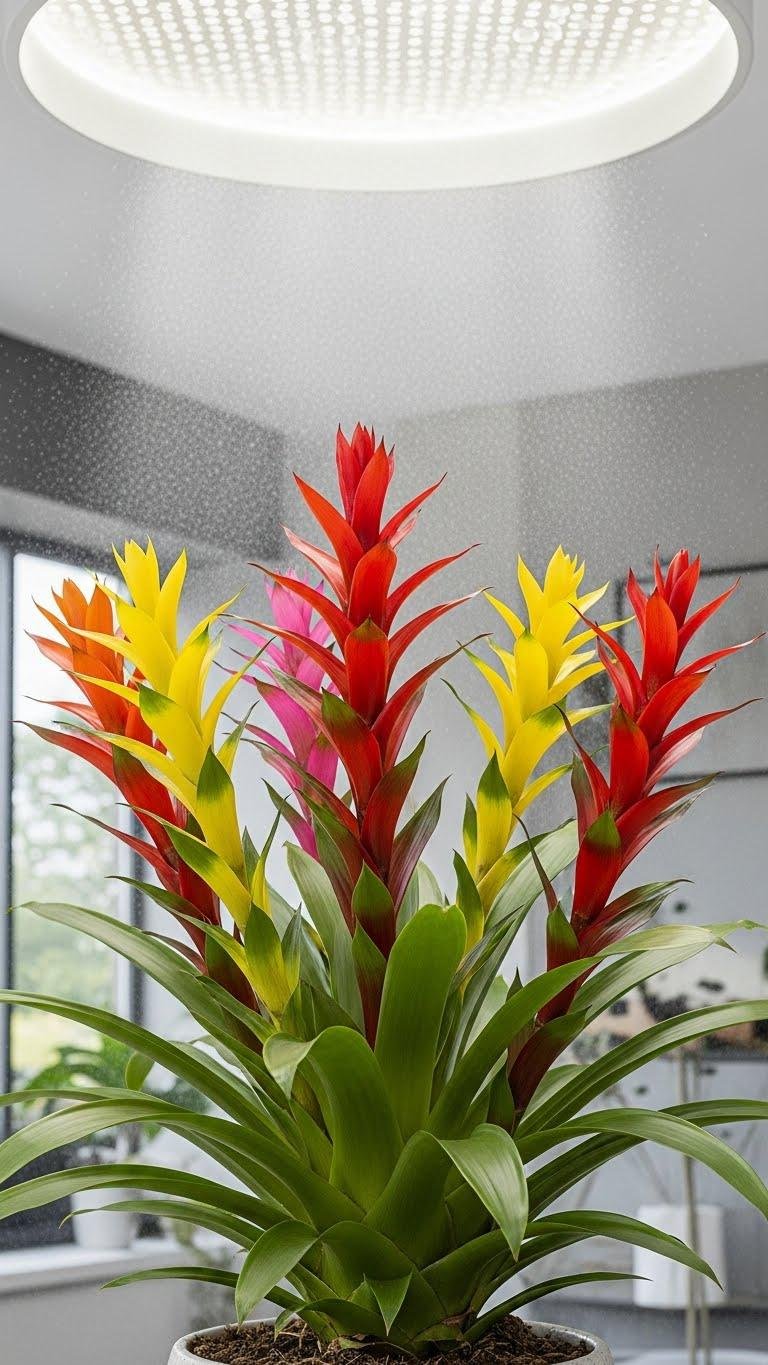
Often used as a color anchor in modern interiors, Guzmania brings long-lasting, architectural blooms in vivid reds, oranges, pinks, and yellows that sit above a rosette of glossy green leaves. You’ll place it where it gets bright, indirect light, mist to meet its humidity needs, and enjoy colorful bracts that last weeks. Feed lightly; rotate for even form.
Primrose (Primula)
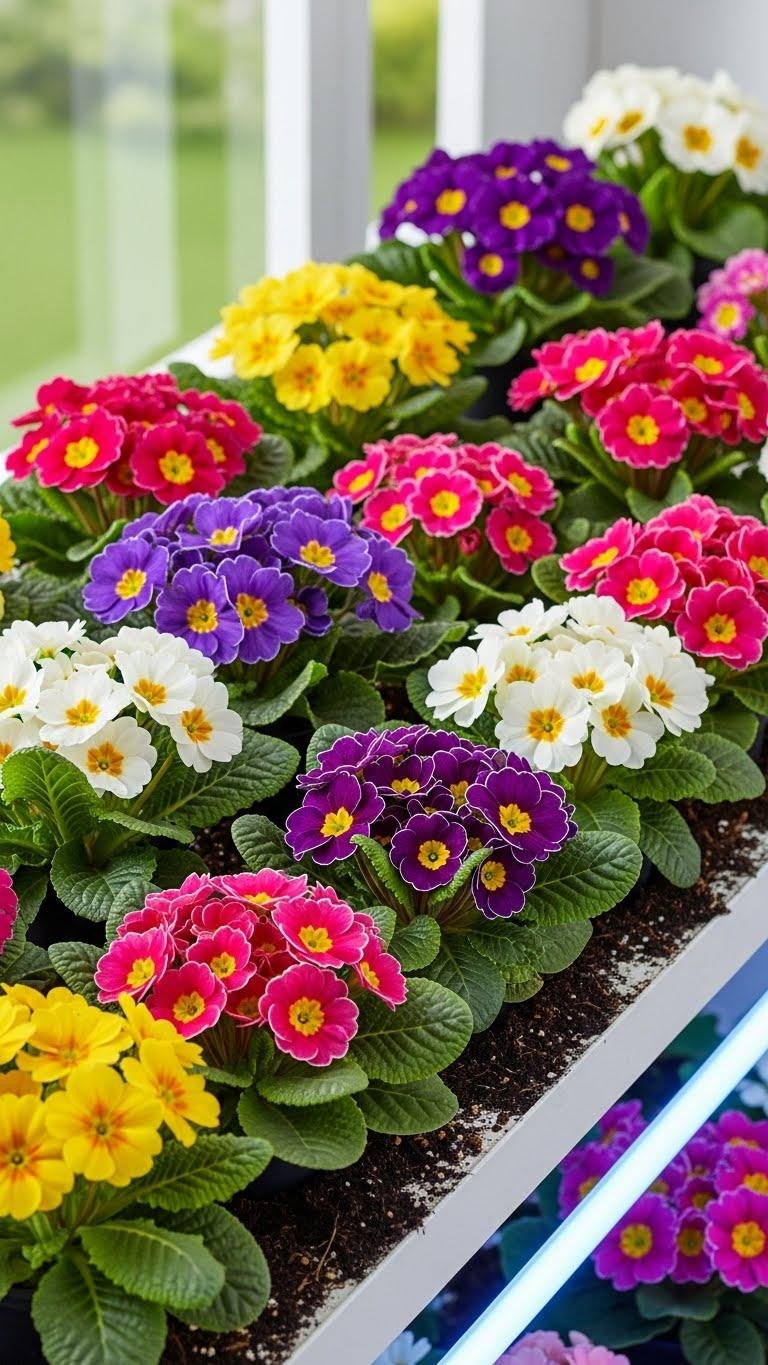
A burst of cottage-garden charm, primroses (Primula) bring compact rosettes of scalloped leaves topped with bright, cheerful flowers in pinks, purples, yellows, and white—perfect for edging a sunny windowsill or softening a modern shelf.
You’ll choose a free-draining soil mix, place plants in cool bright light, and stagger bloom timing with rotation and light control so displays stay lively.
Polka Dot Plant (Flowering Forms)
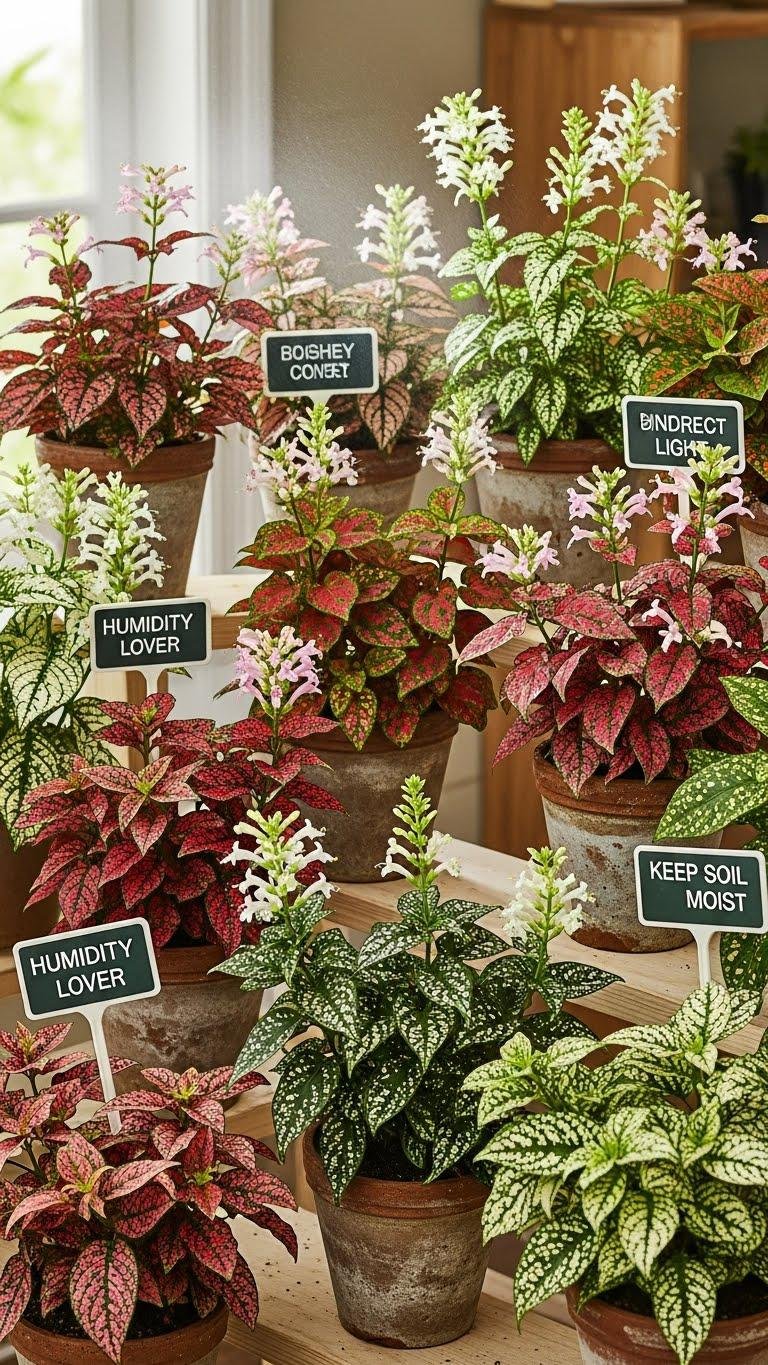
Frequently overlooked for their blooms, flowering polka dot plants (Hypoestes phyllostachya and related species) reward you with sprays of tiny, tubular flowers that sit above their colorful foliage and add a delicate, airy contrast to the leaves’ bold speckles.
Choose a variegated cultivar for extra interest; place in bright, indirect light, water evenly, pinch back for bushiness. Care tips: humidity, light balance.
Caladium (Flowering Tuber Varieties)
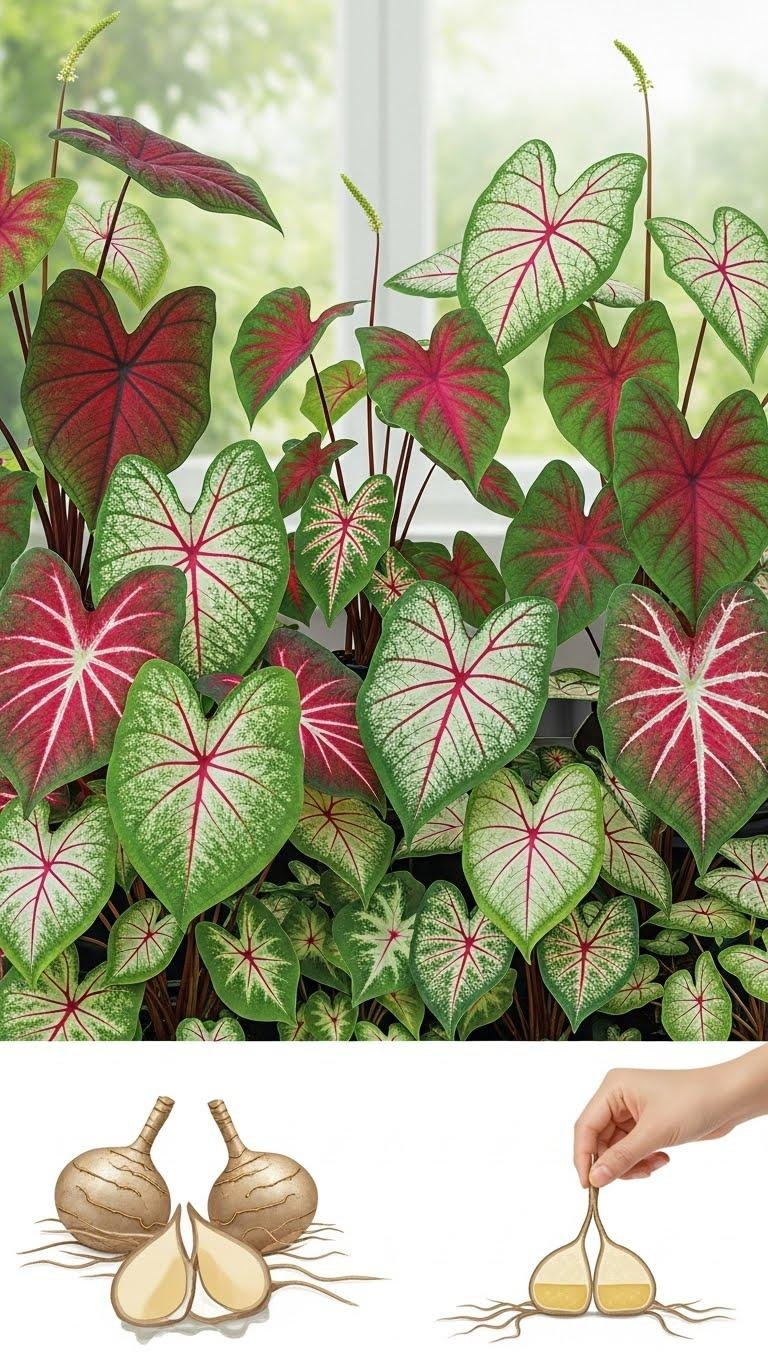
If you enjoyed the polka dot plant’s splashy foliage and delicate flowers, try caladiums for a bolder, architectural contrast—their heart-shaped leaves bring dramatic color and scale, and certain tuberous varieties will also produce inconspicuous but interesting flower spikes.
You’ll enjoy variegated care tips: bright, indirect light, consistent moisture, and cool rest. Divide tubers for confident tuber propagation and freer layering in your rooms.
Maidenhair Violet

Often overlooked, the Maidenhair Violet brings delicate charm to indoor gardens with its scalloped, heart-shaped leaves and tiny, fragrant flowers that bloom on low, wiry stems.
You’ll appreciate its compact habit, airy texture, and easy styling in small pots. Monitor humidity needs, position it in bright, indirect light, and try simple propagation techniques like division or leaf cuttings to expand your freedom.
Schlumbergera (Holiday Cactus)
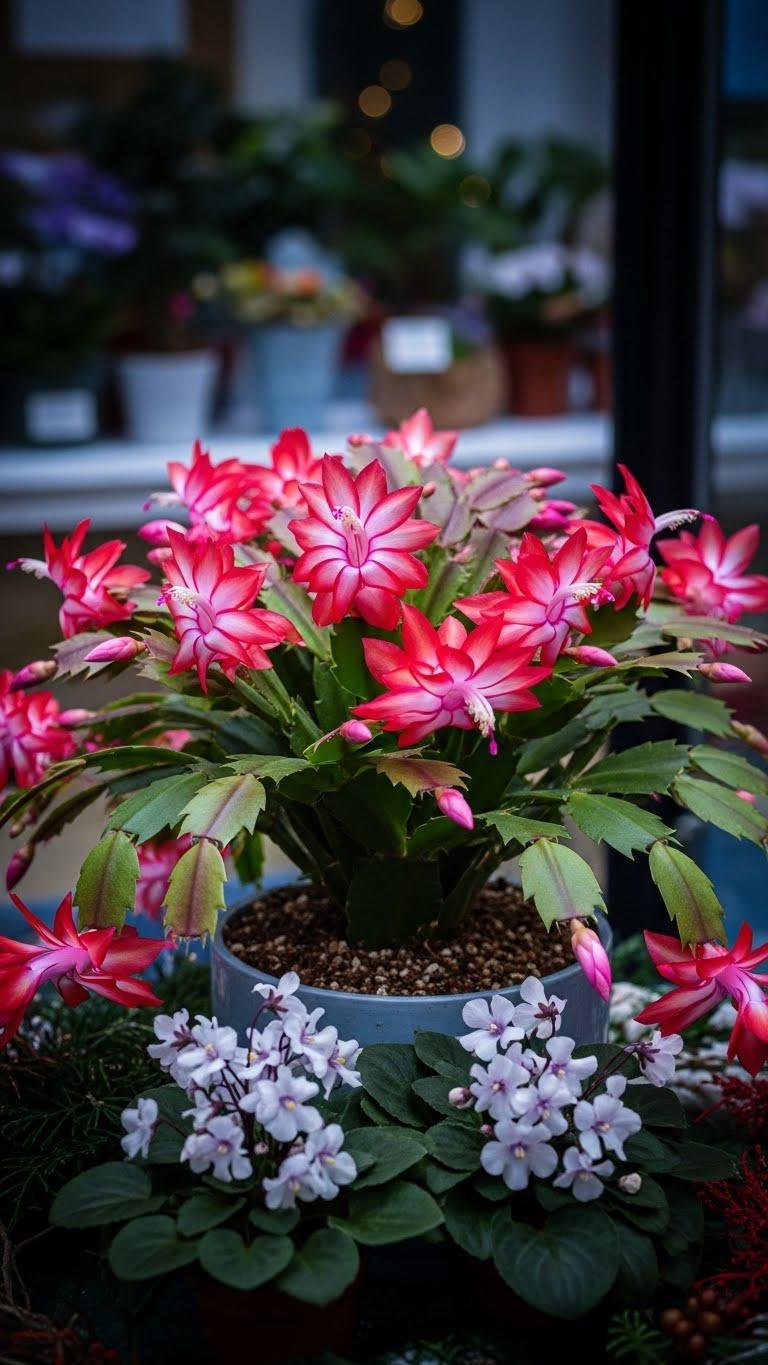
Switching from the delicate fronds of the Maidenhair Violet to a bolder seasonal performer, Schlumbergera—commonly called the holiday cactus—brings striking blooms and architectural form to indoor displays. You’ll control bloom triggering with cooler nights and reduced light; fine-tune light placement and a well-draining potting mix.
Follow a modest watering schedule, let soil dry slightly between waterings, and enjoy vibrant, carefree floral shows.
Pelargonium (Indoor Geranium)

Bring bold color and tidy form into your indoor collection with Pelargonium (indoor geranium), a workhorse of windowsills and sunrooms that rewards bright light and predictable care.
You’ll enjoy long bloom runs, variegated foliage options, and easy pruning for compact shapes. Rotate pots, monitor watering, and practice scent management to keep aromas pleasant.
These geraniums let you design freely with reliable impact.
Begonia Rex (Flowering Types)
You’ll find Begonia rex flowering types combine dramatic foliage with surprising blooms, giving you both texture and seasonal interest in a compact houseplant. You’ll appreciate varied leaf texture and bold patterns that act as living art. Place plants where light requirements are met—bright, indirect sun—and water sparingly to avoid rot. They free your space with sculptural color and low-maintenance temperament.
