
You want quick, reliable plants that give instant impact with minimal fuss, so pick species that germinate, shoot, or trail fast and tolerate common conditions. I’ll focus on practical choices—annuals, edibles, succulents, and easy houseplants—that establish quickly, fill space, and reward routine care. Think fast bloomers, vigorous vines, and quick-harvest greens; next I’ll list 26 specific plants and why each works for instant gardens.
String of Hearts (Ceropegia Woodii)
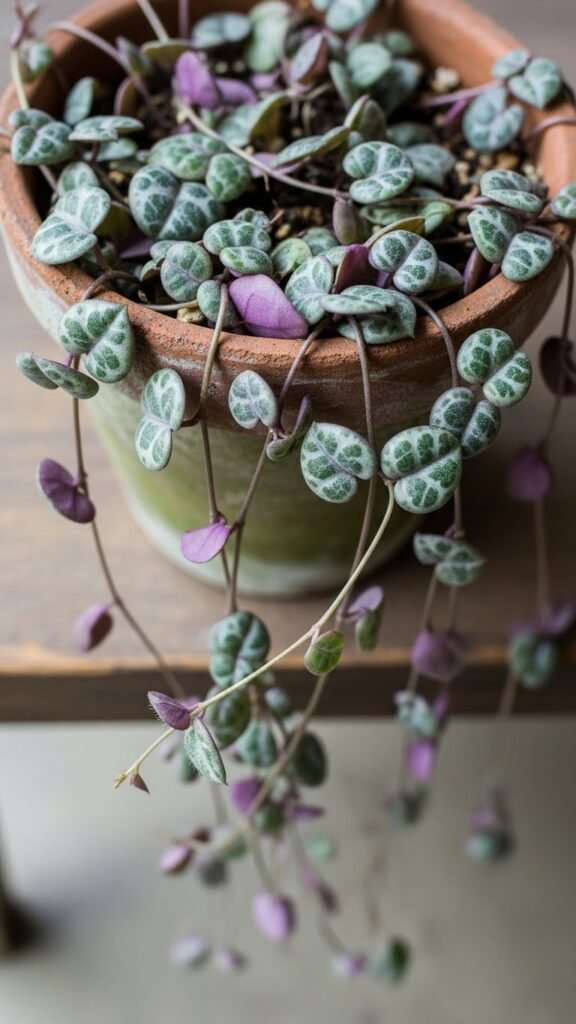
String of Hearts (Ceropegia woodii) is a trailing succulent vine you’ll find ideal for hanging baskets and high shelves, with heart-shaped, variegated leaves on wiry stems that can lengthen several feet in a single growing season.
You’ll propagate easily using stem cuttings; propagation tips include rooting in free-draining mix. Respect bright, indirect light preferences and allow soil to dry between waterings.
Tradescantia (Wandering Jew)
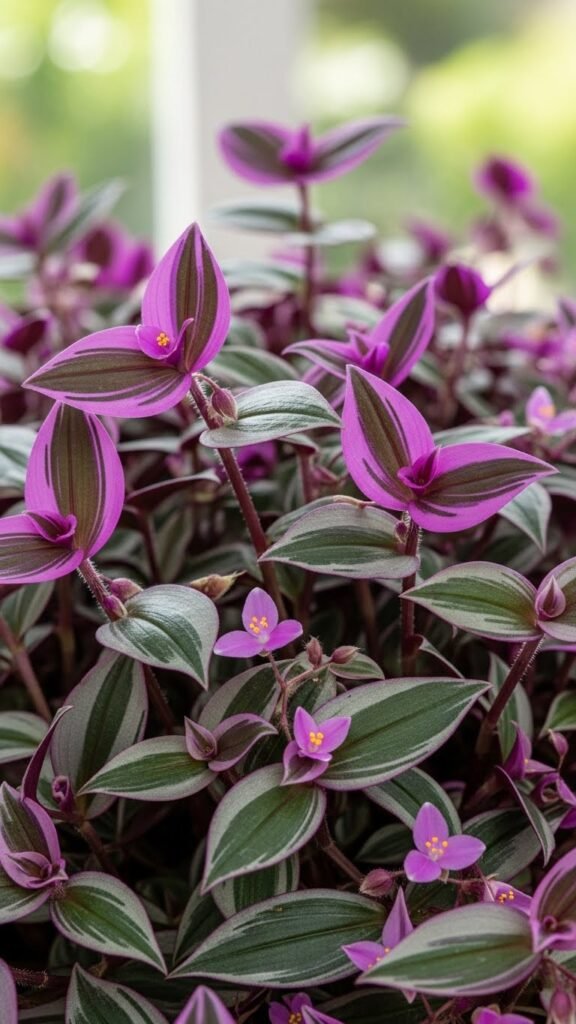
If you liked the trailing habit and easy propagation of Ceropegia, Tradescantia offers similarly vigorous growth with a different look: fleshy, often striped or purple-tinted leaves on fast-spreading stems that root at nodes.
You’ll enjoy low-maintenance care tips: bright indirect light, moderate watering, occasional pruning. Propagation methods are simple—snip stem tips, root in water or soil—letting freedom of placement flourish.
Bamboo Palm

Bamboo palms (Chamaedorea spp.) bring a graceful, clumping silhouette to indoor and shaded garden spots, with slender cane-like stems and feathery pinnate fronds that tolerate low light better than many other palms. You’ll place an indoor bamboo specimen where filtered light and consistent humidity prevail.
For reliable Palm care, water moderately, provide well-draining soil, occasional feeding, and prune spent fronds to maintain airy, liberated structure.
Lucky Bamboo (Dracaena Sanderiana)
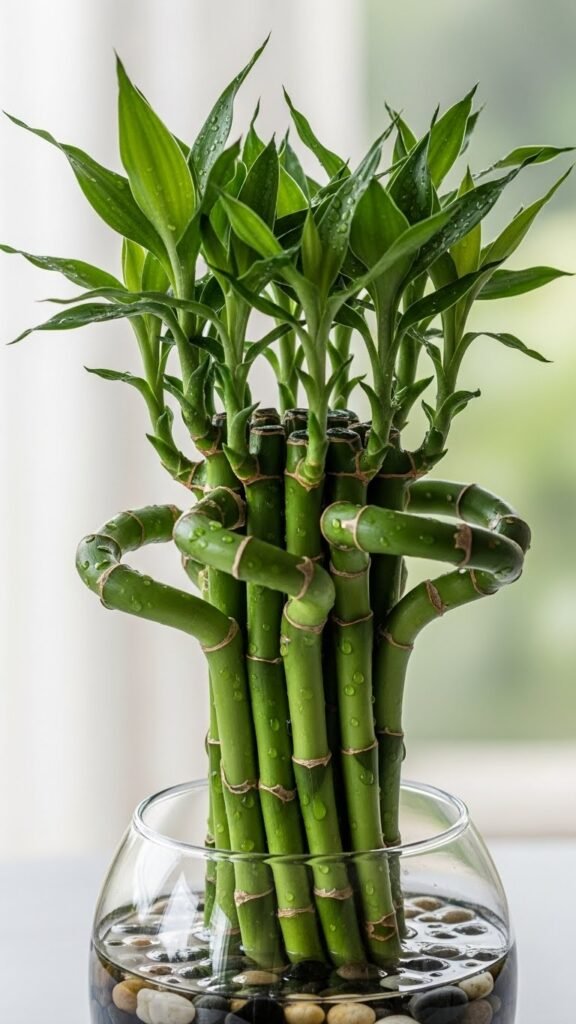
Moving from the feathery fronds of Chamaedorea, you’ll find Dracaena sanderiana brings a sharply different habit and care profile: it’s a cane-forming, evergreen species often grown in water or well-draining potting mix, prized for its resilience and sculptural stems.
You can propagate via water propagation, trim for shape, tolerate low light, and place it purposefully for Feng Shui balance.
Sunflower (Fast-Growing Varieties)

Often overlooked for their simplicity, fast-growing sunflower varieties give you big impact in a short season and are ideal when you want quick color, pollinator support, or a rapid screen.
You’ll select dwarf varieties for containers or tight beds, sow direct for speed, deadhead for continuous bloom, and can experiment with cutting propagation for specific cultivars, keeping stems dry to prevent rot.
Sweet Potato (Indoor Varieties)
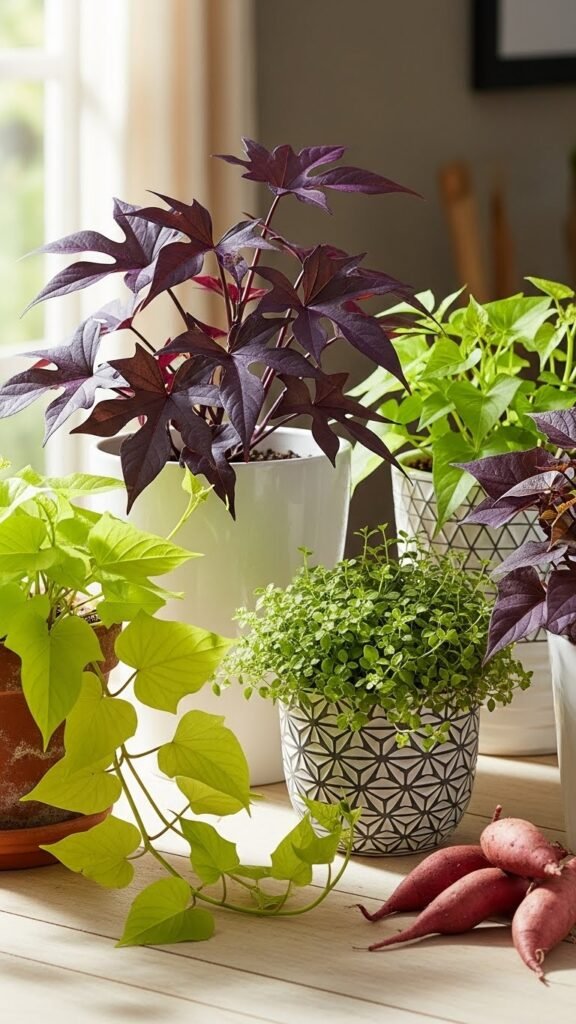
If you enjoyed the quick payoff of dwarf sunflowers outdoors, you’ll find indoor sweet potatoes offer similarly fast, leafy results with a different purpose: lush foliage and edible tubers you can start on a windowsill.
You’ll use slip propagation from a store tuber, choose an ornamental sweetpotato cultivar for color, provide bright light, well-draining mix, regular water, and occasional feeding to harvest vines and roots.
Petunia Supertunia Vista Series
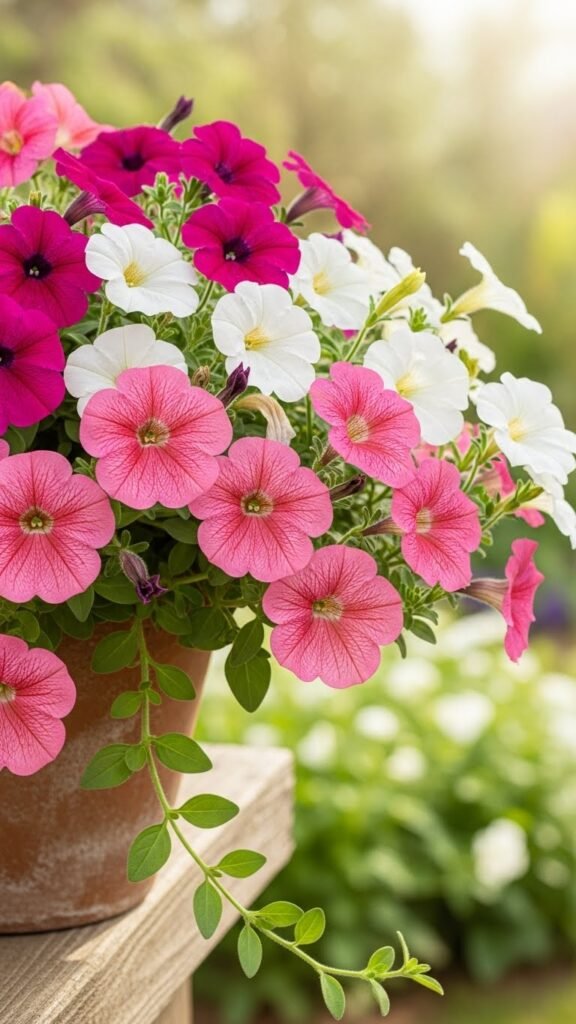
You’ll find the Petunia Supertunia Vista Series delivers vigorous, trailing habit and prolific blooms ideal for hanging baskets, containers, and bedding.
You’ll appreciate compact varieties bred for uniform spread, heat tolerance, and low maintenance. Plant in full sun, well-drained soil, and deadhead sparingly.
Expect continuous flowering; perform a fragrance comparison if scent matters, though many are selected for visual impact over perfume.
Loose-Leaf Lettuce
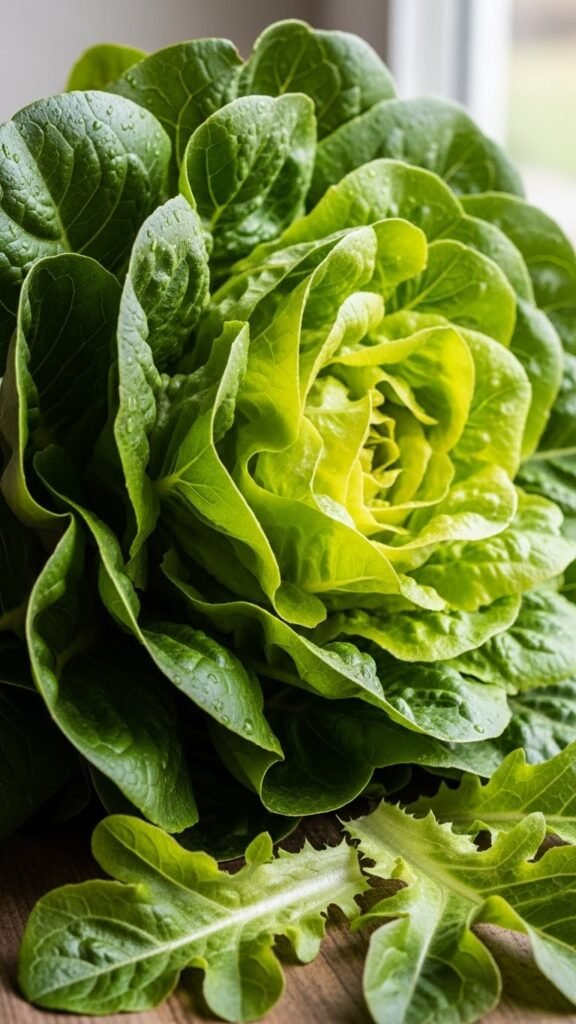
Often overlooked, loose-leaf lettuce gives you quick, continuous harvests with minimal fuss.
You sow shallow rows or planters, thin seedlings, and harvest outer leaves on a cut and come again schedule. It tolerates varied light, matures fast, and pairs well with hydroponic microgreens in compact systems. You’ll manage succession sowing to maximize freedom and steady salads.
Radish

Frequently harvested for their rapid turnaround, radishes give you edible roots in as little as three to six weeks and require minimal space and care. You’ll select radish varieties for flavor, size, and bolt resistance, sowing successive rows for continuous yield.
Monitor soil moisture and thinning to guarantee straight roots; note harvest timing precisely to avoid woody texture and maintain crispness.
Spinach (Bloomsdale Long Standing)
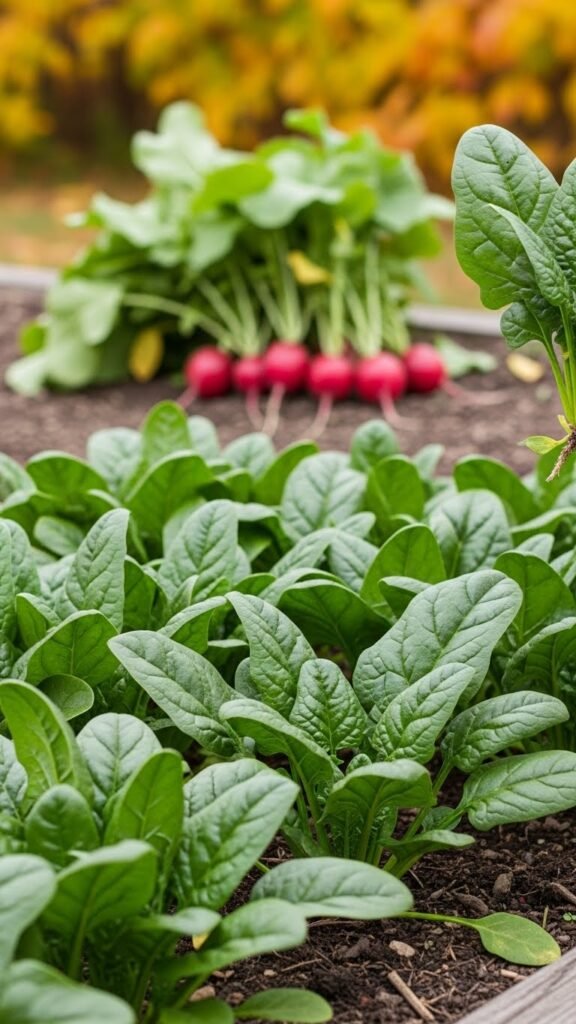
After enjoying quick radish harvests, you can fill nearby beds with Bloomsdale Long Standing spinach to keep fresh greens coming as temperatures cool.
Sow in loose soil with 2–3 inch seed spacing for steady stands. Thin to allow air and growth.
Its superior cold tolerance lets you extend harvests into early frost; harvest outer leaves to encourage regrowth and freedom at the table.
Tatsoi
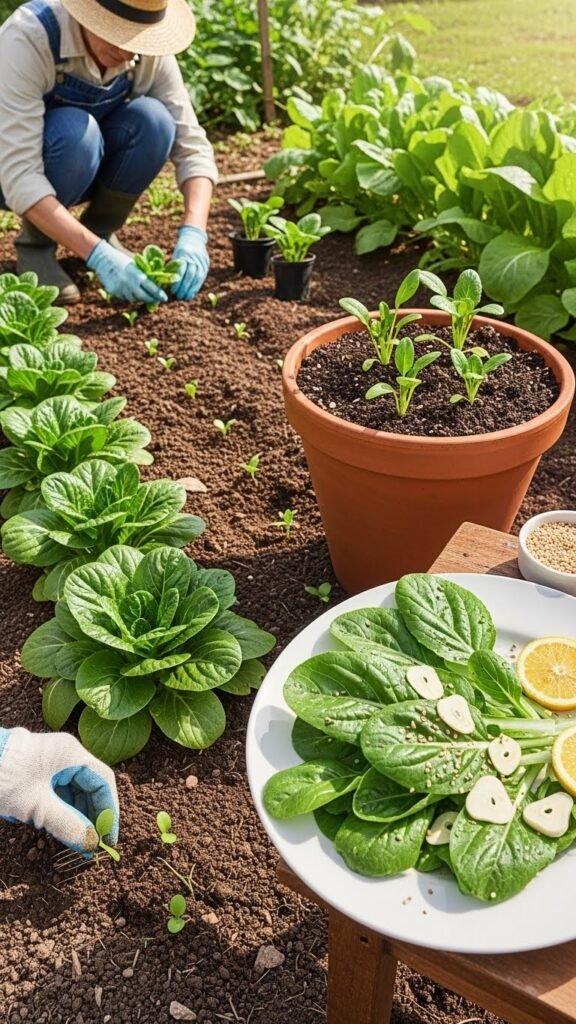
Sowing tatsoi now gives you a fast-maturing, cold-tolerant Asian green that thrives in loose, fertile soil and yields spoon-shaped, spooned rosettes in as little as 30–45 days.
You’ll sow shallow, thin seedlings, thin to allow airflow, and harvest outer leaves. Use container cultivation for quick access; pair its mild, mustardy flavor with sesame, garlic, or citrus for balanced flavor pairing.
Ligustrum Box Leaf Privet
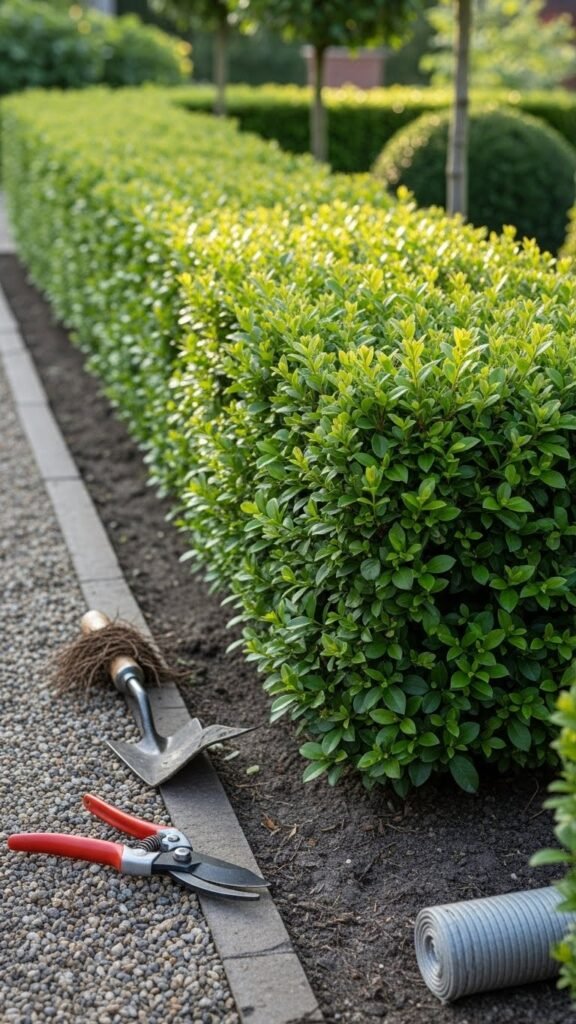
Ligustrum ‘Box Leaf’ privet is a compact, evergreen shrub prized for its dense, glossy foliage and quick, predictable growth habit, making it ideal for low hedges, formal borders, and container screening.
You’ll prune on schedule—pruning timing is spring and late summer—to keep form. Plant with root containment in mind; it tolerates clipping, prefers well‑drained soil, and rewards you with tidy, reliable structure.
Cupressus Leighton Green Conifer
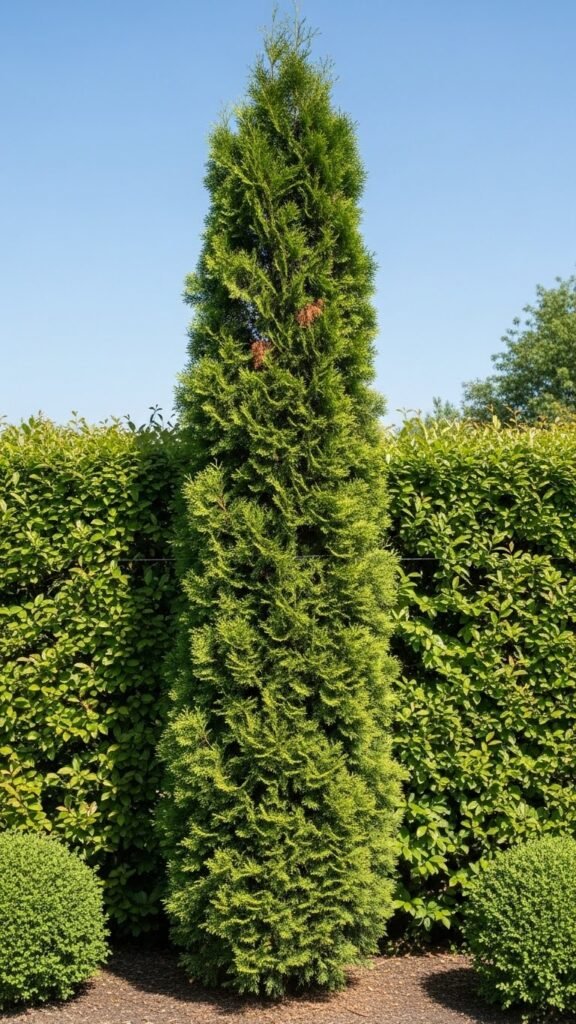
Often prized for its columnar habit and vivid evergreen color, Cupressus × leylandii ‘Leighton Green’ grows quickly into a narrow, formal screen that suits windbreaks, privacy hedges, and architectural borders.
You’ll plant it for rapid structure, noting its moderate drought tolerance and preference for full sun.
Follow disciplined pruning techniques to retain shape, control height, and encourage dense foliage for freedom of sightlines and shelter.
Populus Crows Nest Poplar
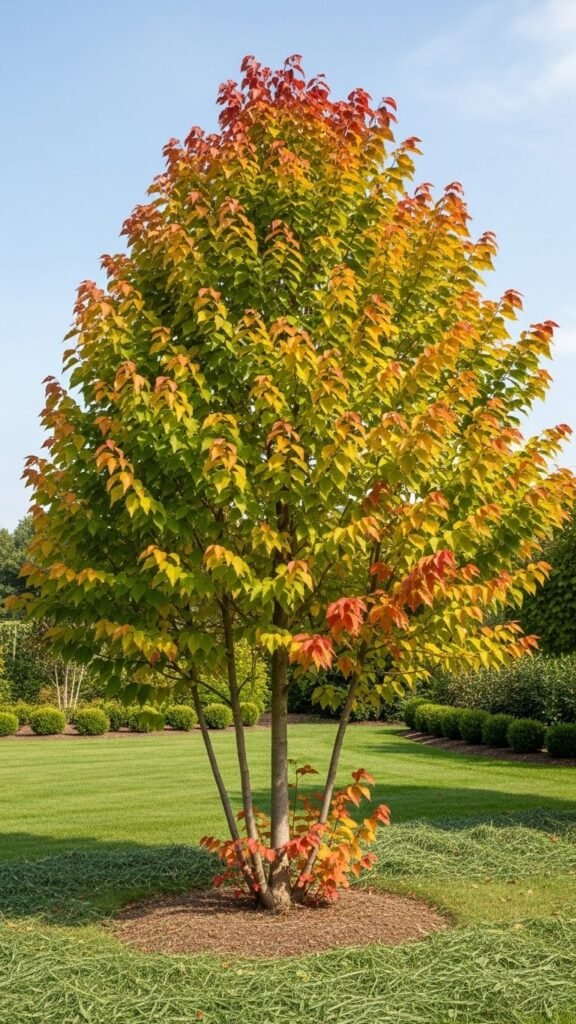
If you need a fast shade tree with striking seasonal contrast rather than a narrow evergreen screen, Populus × canadensis ‘Crows Nest’ offers rapid growth and bold presence.
You’ll get hybrid vigor for quick canopy development, adaptable soil tolerance, and crisp leaf color changes.
Watch for root suckering; manage suckers to protect beds and maintain your planting freedom and landscape control.
Alnus Evergreen Alder
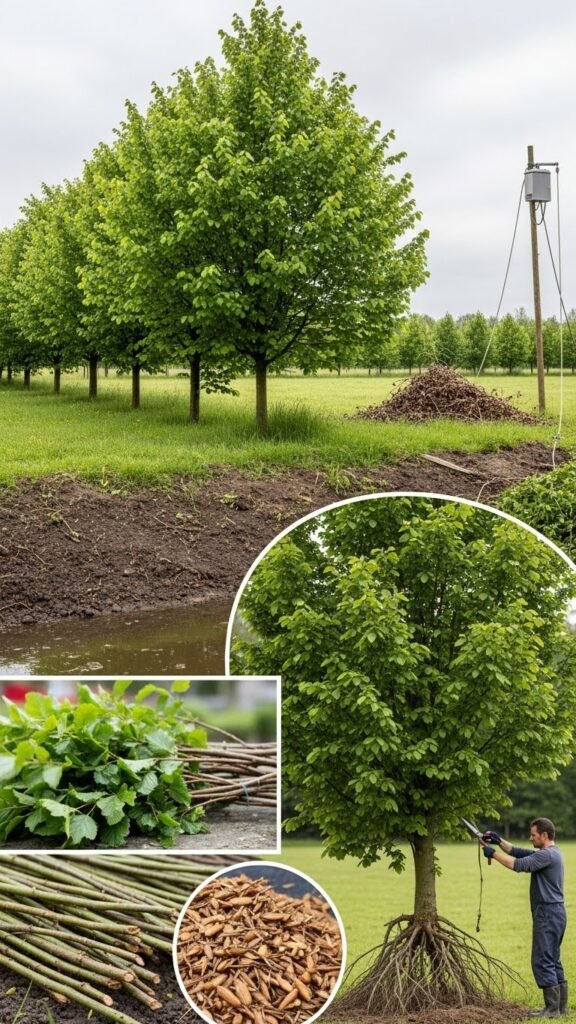
Alnus, the evergreen alder, gives you a fast-growing, nitrogen-fixing canopy that suits damp sites and stabilizes banks while improving soil fertility.
You’ll propagate easily from cuttings or seed—alder propagation’s straightforward—then prune for form.
Expect durable, low-water roots and quick cover.
Evergreen maintenance focuses on light pruning, debris removal, and monitoring pests so you keep freedom to shape borders and shelter.
Arborvitae (North Pole and Similar)

Where alder improves wet banks and soil nitrogen, arborvitae (Thuja ‘North Pole’ and similar cultivars) give you narrow, dense evergreen screens that perform well in wind-exposed sites and small urban gardens.
You’ll plant them with a root barrier near foundations, space for airflow, and expect modest fast vertical growth.
Schedule winter pruning to maintain columnar form and prevent snow damage while preserving natural foliage.
Juniper (Spartan and Similar Varieties)
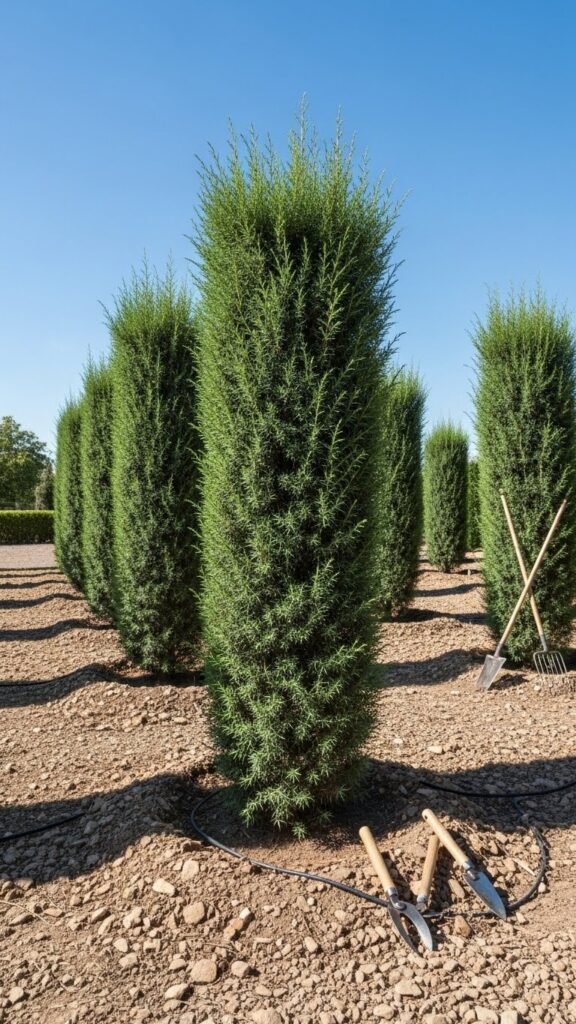
Frequently used in urban and xeric landscapes, Juniperus ‘Spartan’ and similar columnar junipers give you a narrow, upright evergreen that tolerates poor, dry soils and strong winds while requiring minimal maintenance.
You’ll appreciate their drought tolerance, low nutrient needs, and pest resilience. Plant with good drainage, space for air flow, and follow a simple pruning schedule to maintain form and freedom of movement.
Lilac (Syringa Spp.)
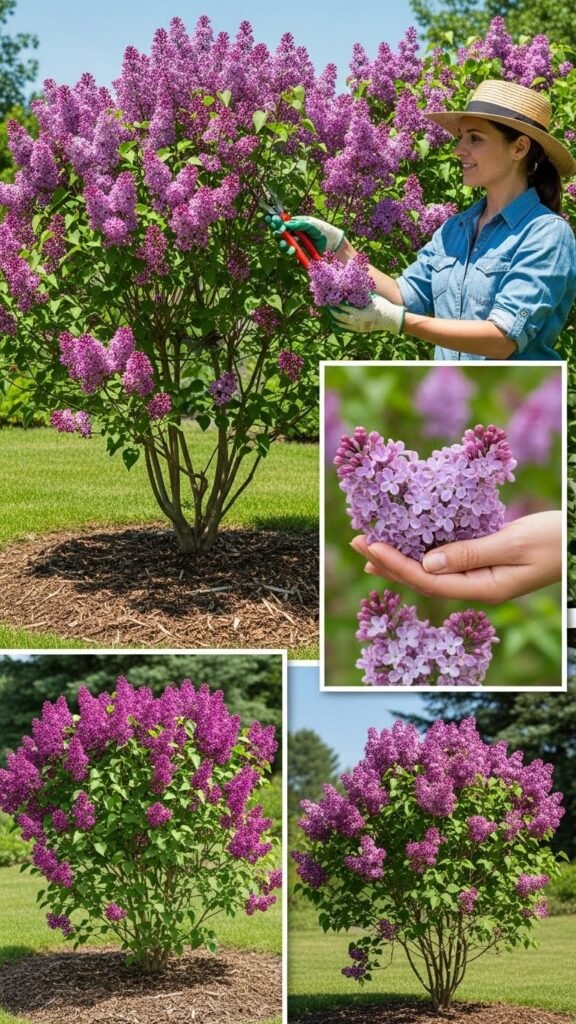
Plant lilacs (Syringa spp.) in full sun with well-drained soil to maximize their aromatic spring blooms and compact, woody growth habit. You’ll prune for shape and air, using fragrant pruning to encourage next year’s flower buds. Choose cultivars suited to your climate; note limited shade tolerance and cold hardiness. Mulch, water young plants, and let vigorous stems establish for effortless privacy and scent.
Weigela
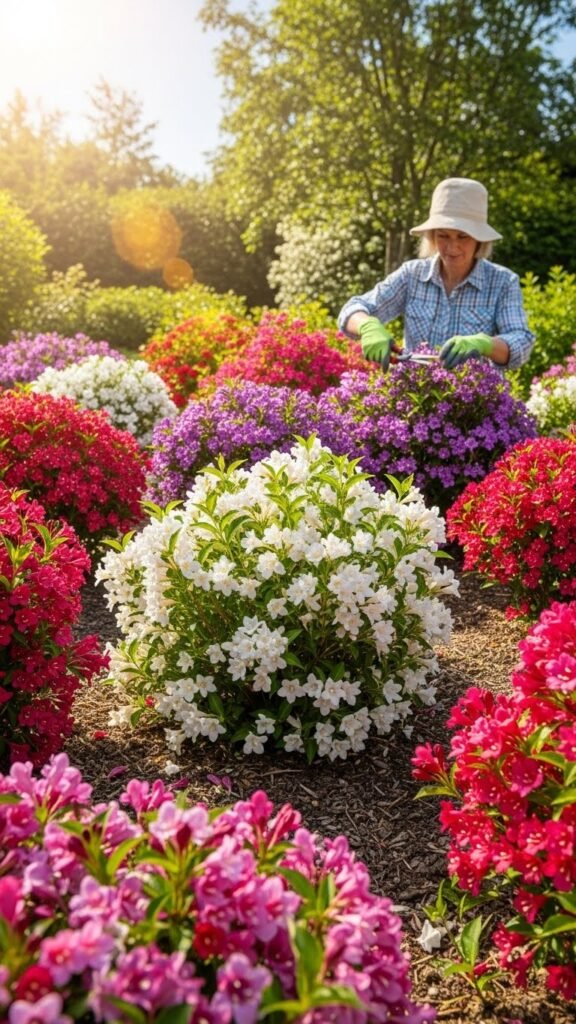
Bring Weigela into sunny garden beds for a burst of trumpet-shaped flowers and reliable spring-to-early-summer color. You’ll choose cultivars for size and foliage; plant in well-drained soil and full sun to extend flowering seasons.
Prune after bloom to shape and encourage new wood; follow pruning tips: remove dead wood, thin crowded stems, and keep a balanced airy framework for vigorous, low-maintenance growth.
Kale
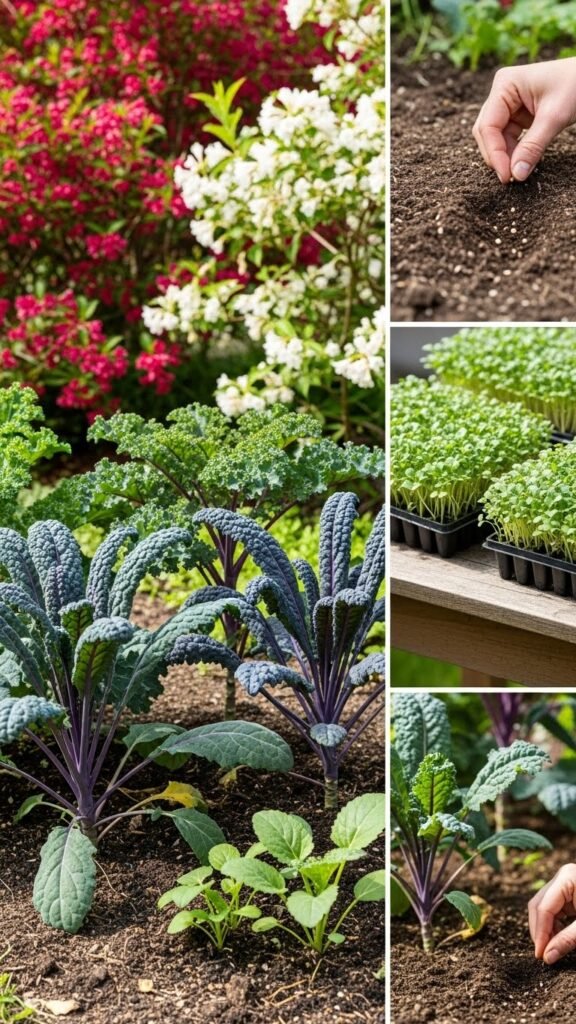
After enjoying the ornamental burst from Weigela, you can add edible interest by sowing kale into sunny beds or adjacent borders where soil is fertile and well drained. You’ll choose cold hardy kale for late-season resilience and thin-sow for continuous harvests. Practice firm seed contact, consistent moisture, and mild feeding.
For quick yields, grow microgreen kale in trays while larger plants mature.
Arugula
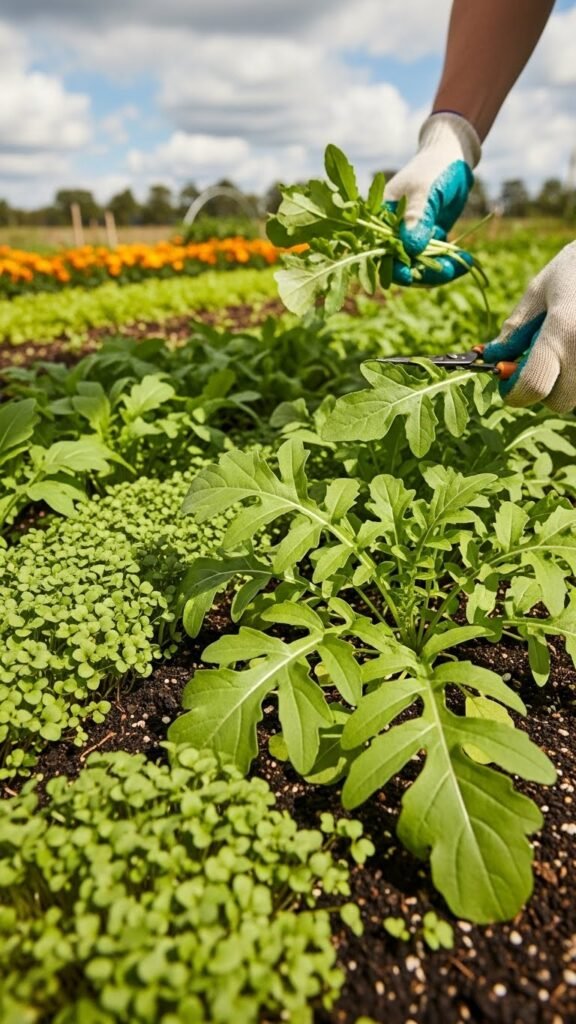
Often overlooked, arugula gives you a fast, spicy leaf crop that thrives in cool, sunny beds and tolerates light shade.
You’ll sow shallow rows, harvest young leaves for a microgreen harvest or cut-and-come-again salads, and let mature plants supply peppery pesto leaves. It resists pests, prefers well-drained soil, and rewards quick, repeated harvests—ideal if you value autonomy and rapid yield.
Squash (Including Baby Zucchini)
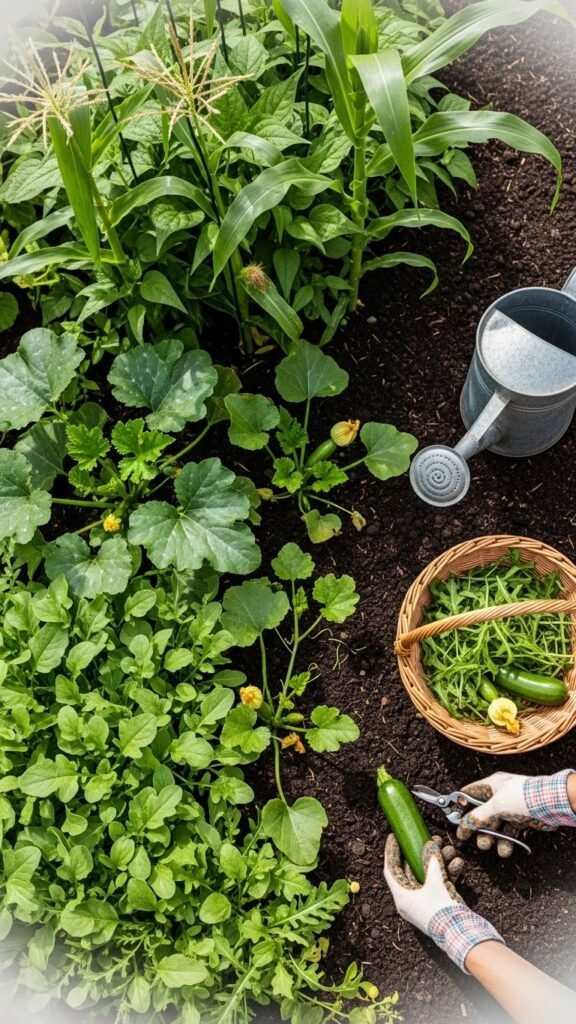
With arugula giving quick leafy returns, you can also add squash for fast, high-yield vegetables that fill midsummer beds. You’ll choose bush or vining baby zucchini for compactness, plan companion planting with corn or beans, and provide rich soil and steady water.
Monitor harvest timing closely; pick small fruits for tenderness and to prolong production, freeing you to eat, preserve, and share.
Stringing or Climbing Vines for Quick Coverage
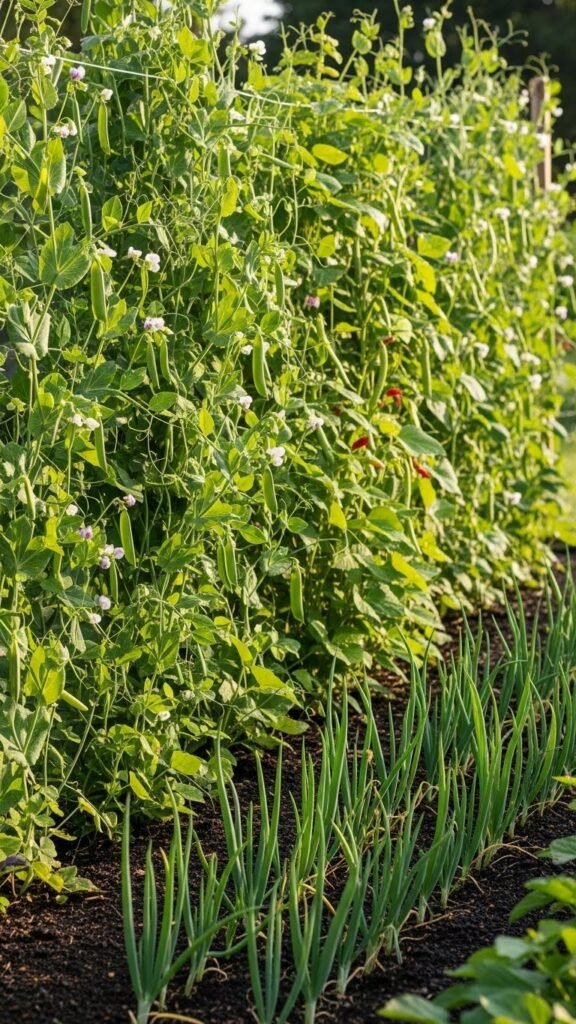
After you’ve got quick, edible returns from spring onions, consider stringing or training fast-climbing vines to cover vertical space and shade warm-season beds. You’ll choose species with rapid tendrils, plan a vertical espalier or angled trellis, and expect seasonal pruning.
Regular trellis maintenance prevents sagging and disease. This approach frees you to expand yields and create instant, living privacy screens.
Fast-Growing Container Herbs
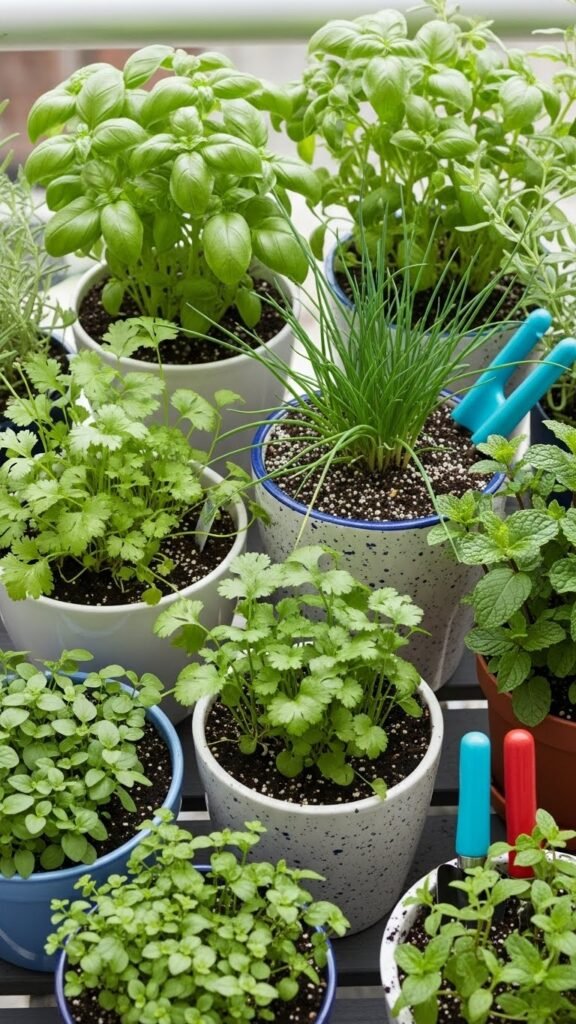
Try quick, small-water herbs like basil, cilantro, chives, and mint to get edible results in weeks rather than months. You’ll choose compact varieties, guarantee container drainage, and use light, well-aerated mix. Practice companion planting to deter pests and boost flavor; rotate pots and harvest regularly. You’ll free yourself with portable, high-yield herbs that suit balconies and spontaneous planting.