
You’ll find hardy, low-water choices that work in tight city plots or wide xeric landscapes, from architectural succulents like mangave to airy grasses and pollinator-loving perennials. Think sharp-draining soil, full sun, and plants that give year-round structure with minimal fuss. I’ll point out specific species, site tips, and design pairings so you can pick plants that won’t just survive—but look intentional—while saving time and water.
Stonecrop (Sedum)
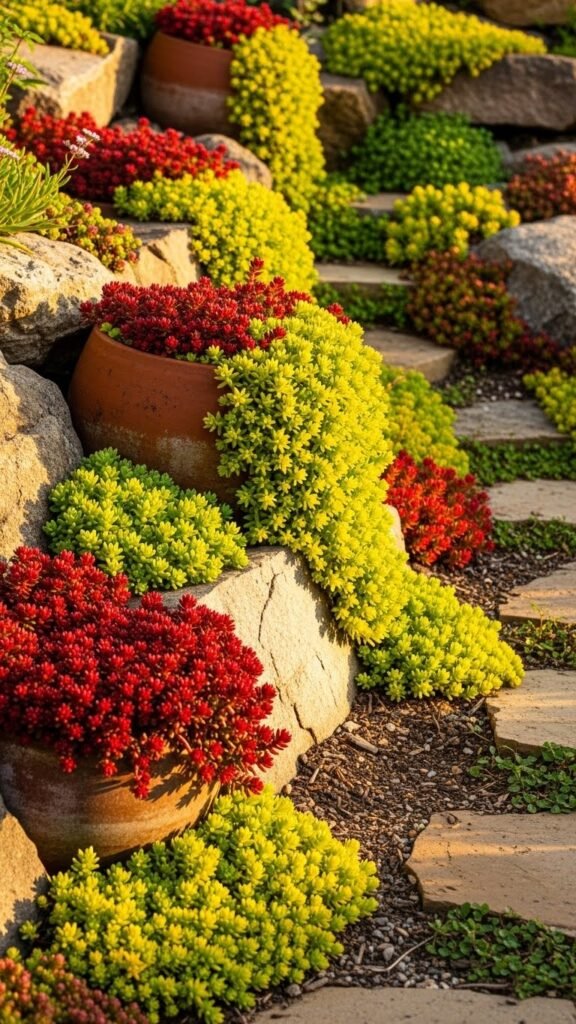
Stonecrop (Sedum) delivers reliable drought resistance and easy maintenance, making it a go-to for sunny rock gardens, containers, and xeriscapes.
You’ll plant low-maintenance clumps that tolerate poor soil and infrequent watering; drought care is simple: deep, rare watering and full sun.
Use sedum to edge paths, spill from pots, or knit into rock gardens, freeing your design to roam.
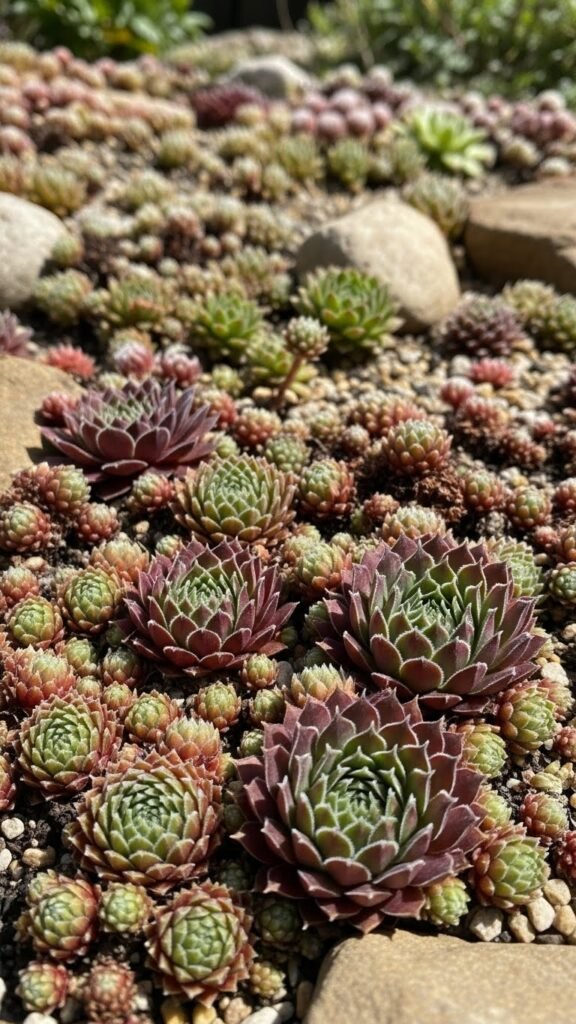
Hens and Chicks (Sempervivum)
Prickly Pear Cactus (Opuntia)
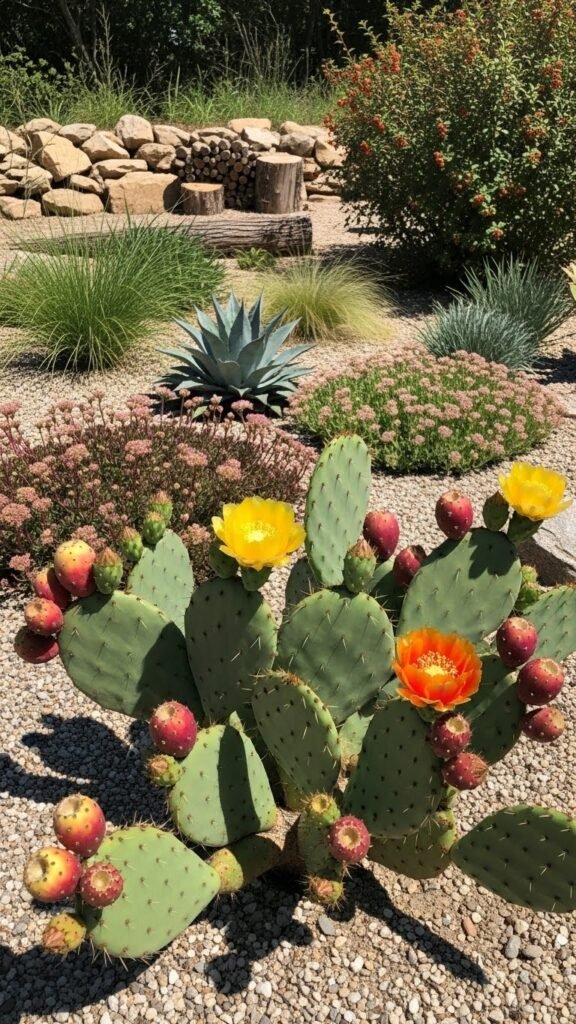
Moving from the low, tight rosettes of hens and chicks, you can add a bolder vertical element with prickly pear cactus (Opuntia). You’ll enjoy sculptural pads that store water, edible pads you can harvest, and vibrant flowers.
Plant in sharp-draining soil, give full sun, and space for growth. Opuntia also creates wildlife shelter, requiring minimal care while freeing your landscape.
Blue Chalksticks
Add a cool, architectural contrast to sunny, drought-tolerant beds with blue chalksticks (Senecio serpens). You’ll appreciate their powdery blue stems, low maintenance and excellent drought resilience.
Plant them in well-drained soil or use container growth for portability and freedom to rearrange. Trim sparingly to shape mats or upright stakes. They pair with gravel, succulents and modern hardscapes for bold, carefree design.
Mangave
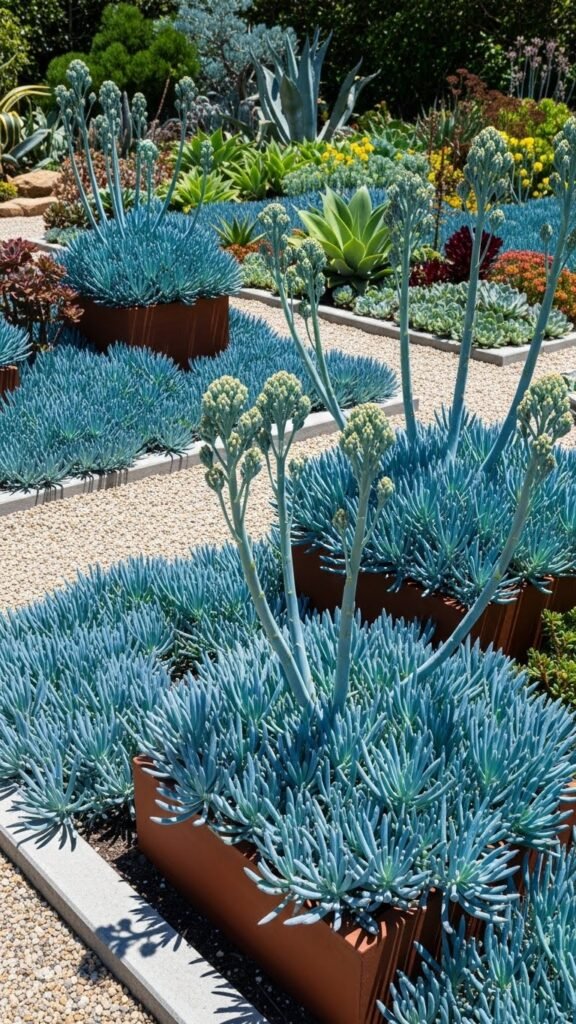
If you like the architectural look of blue chalksticks, you’ll appreciate mangaves for their bold, sculptural rosettes and hybrid vigor. You’ll choose mangaves for low-water landscapes, tough containers, and instant focal points. Follow simple Mangave care: sharp soil, full sun to light shade, minimal feeding. Explore hybrid varieties for varied color and texture; they give freedom to design resilient, statement plantings.
[Image Prompt: An artistic arrangement of various mangave plants showcasing their bold, sculptural rosettes in a low-water landscape setting, with a background of bright sunlight and light shade, surrounded by decorative containers. Include a variety of hybrid mangave colors and textures to highlight their design potential.]
Catmint (Nepeta)
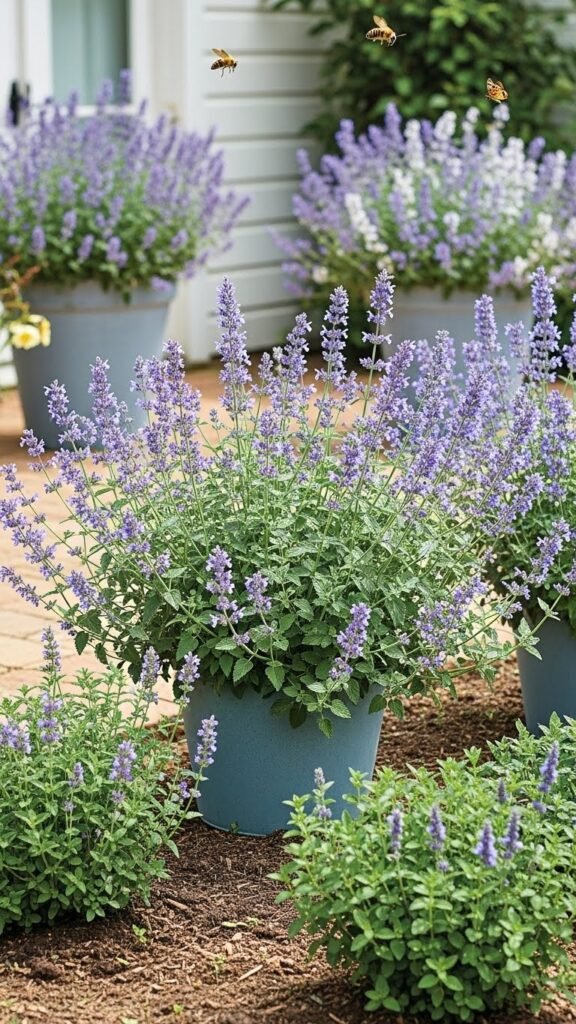
Often underestimated, catmint (Nepeta) is a durable, low-water perennial that brings long-lasting gray-green foliage and spikes of lavender, blue, or white flowers to drought-tolerant gardens.
You’ll plant container catmint for patios or tuck culinary catmint near herb beds. It tolerates poor soil, self-seeds sparingly, trims back after bloom to stay compact, and attracts pollinators without demanding fuss.
Coneflower (Echinacea)
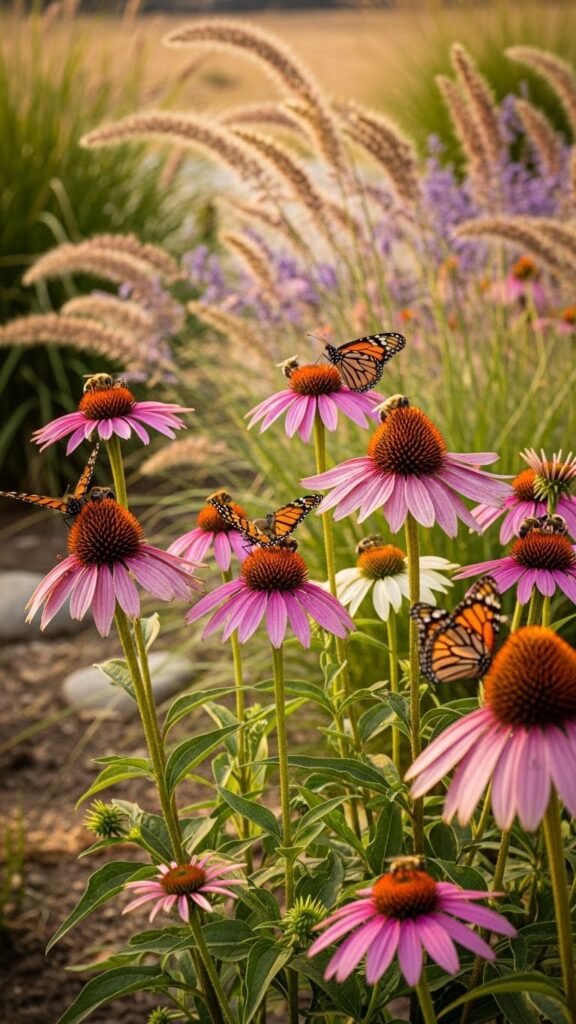
While coneflowers (Echinacea) thrive in hot, dry sites, they’re surprisingly versatile — you can use them as sturdy focal points, pollinator magnets, or cut-flower producers in a low-water garden.
You’ll get strong structure, long bloom, and clear Pollinator benefits. Sow for Echinacea propagation or divide clumps to expand beds. Pair with airy grasses for effortless, free-feeling design.
Yarrow (Achillea)
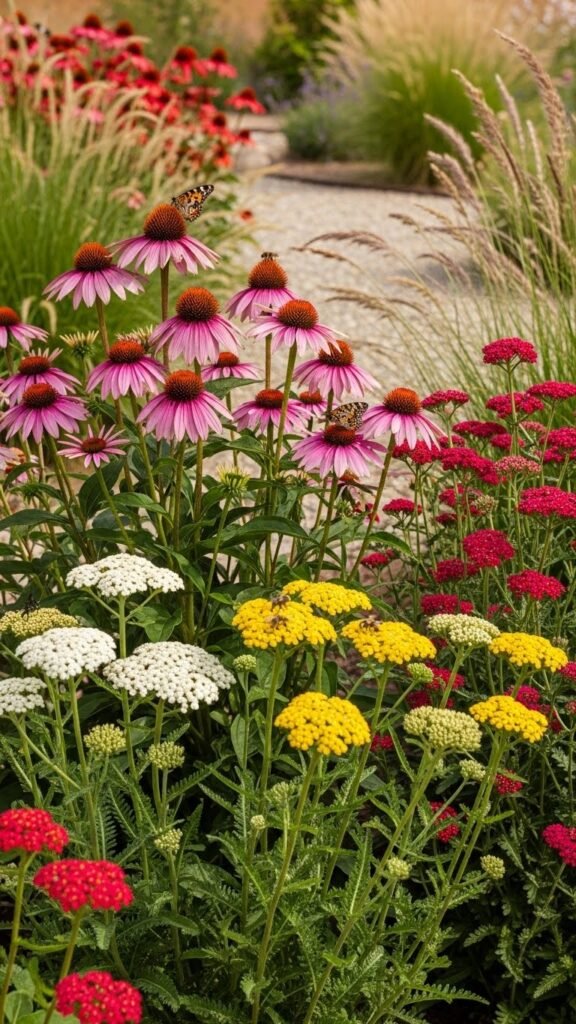
Yarrow (Achillea) is a tough, low-water perennial that gives you flat-topped flower clusters in white, yellow, pink, and red, lasting weeks on upright, ferny foliage.
You’ll appreciate its drought physiology — deep roots, hairy leaves — and how it anchors gravel gardens. Use it for structure, cut flowers, and companion planting with grasses and pollinator magnets to create a free, low-maintenance palette.
Salvia (Sage)

Versatility makes Salvia a standout in drought-tolerant gardens: these sages give you long-blooming spikes of nectar-rich flowers, aromatic foliage, and a range of sizes and colors that fit everything from gravel beds to mixed borders.
You’ll use Salvia for structure and season-long color, relying on its drought physiology for low water demand and strong pollinator attraction while keeping maintenance minimal and design flexible.
Coreopsis (Tickseed)
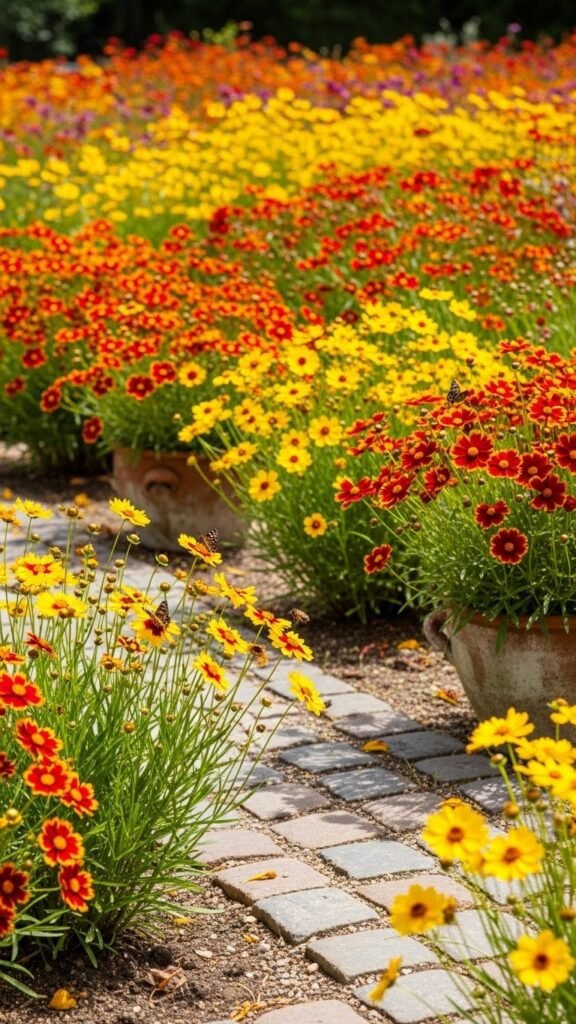
Plant Coreopsis for long-lasting, low-water color: these cheerful perennials and annuals produce daisy-like blooms on wiry stems that keep flowering through heat and drought with minimal fuss.
You’ll enjoy bold color, easy maintenance, and strong pollinator attraction. Choose well-drained, lean soil; soil preferences lean toward gritty mixes.
Place in sunny borders, containers, or meadows to create free, resilient landscapes.
Maiden Grass (Miscanthus)
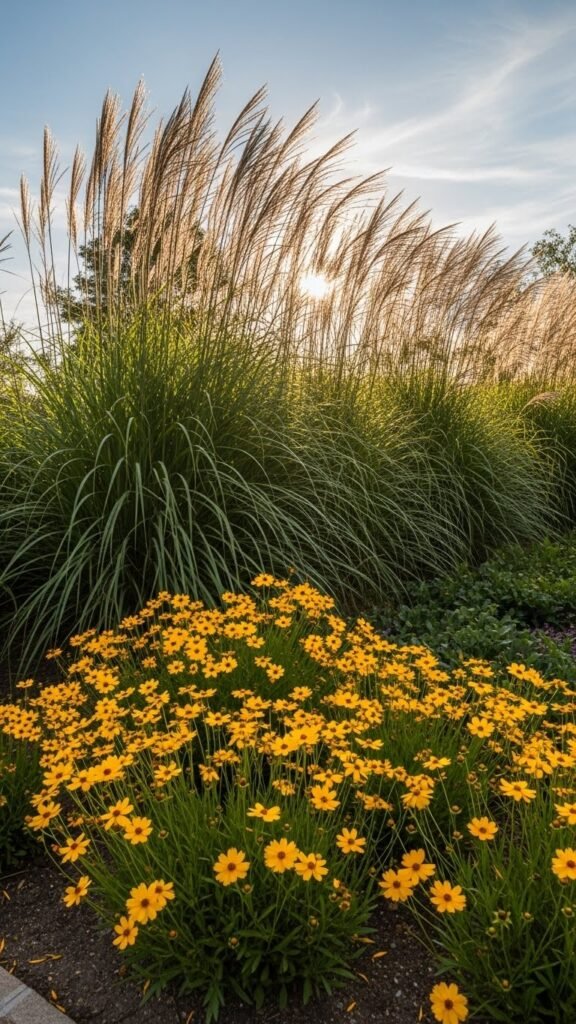
After the bright, low-growing cheer of Coreopsis, taller structure can pull a drought-tolerant scheme together — enter Maiden Grass (Miscanthus).
You’ll appreciate ornamental miscanthus for its sculptural plumes, low-water needs, and windproof form. Use native miscanthus where appropriate to support local ecology. Plant in bold drifts as a privacy screen, calming year-round movement and freeing you from constant maintenance.
Muhly Grass (Muhlenbergia)
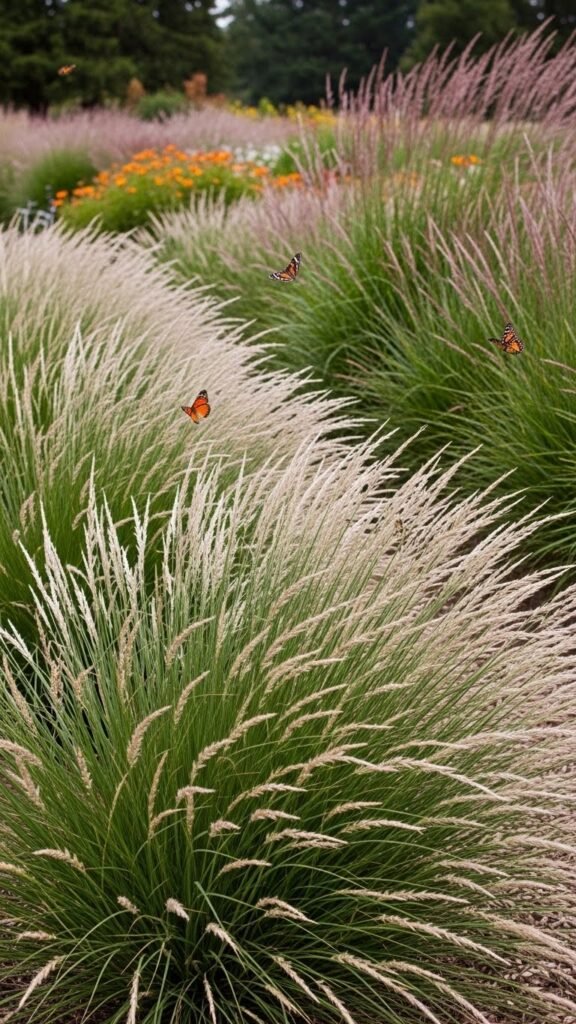
Often planted for its airy, season-long show, Muhly Grass (Muhlenbergia) gives drought-tolerant landscapes a fine-textured counterpoint to bolder grasses like Miscanthus.
You’ll plant it for low water needs, airy ornamental seedheads and movement. Position clumps for contrast, let them define paths, and attract native pollinators.
You’ll enjoy minimal maintenance, bold seasonal color, and the freedom to shape open, resilient spaces.
Switchgrass (Panicum Virgatum)
Russian Sage (Perovskia)
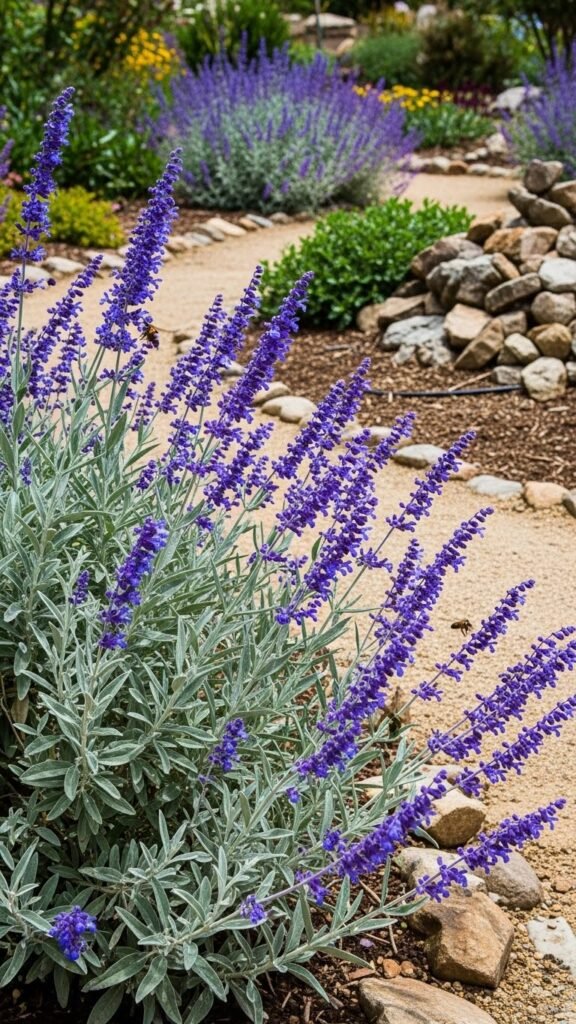
Aromatic and airy, Russian sage (Perovskia) brings silvery foliage and long-lasting spikes of lilac-blue flowers that thrive in hot, dry sites and lean soils.
You’ll plant it for low-maintenance structure, drought resistant pollinators visits, and effortless repetition. Place it near pathways or rock gardens, cut back with clear pruning timing in spring, and enjoy an unfussy, freeing textural anchor.
Butterfly Bush
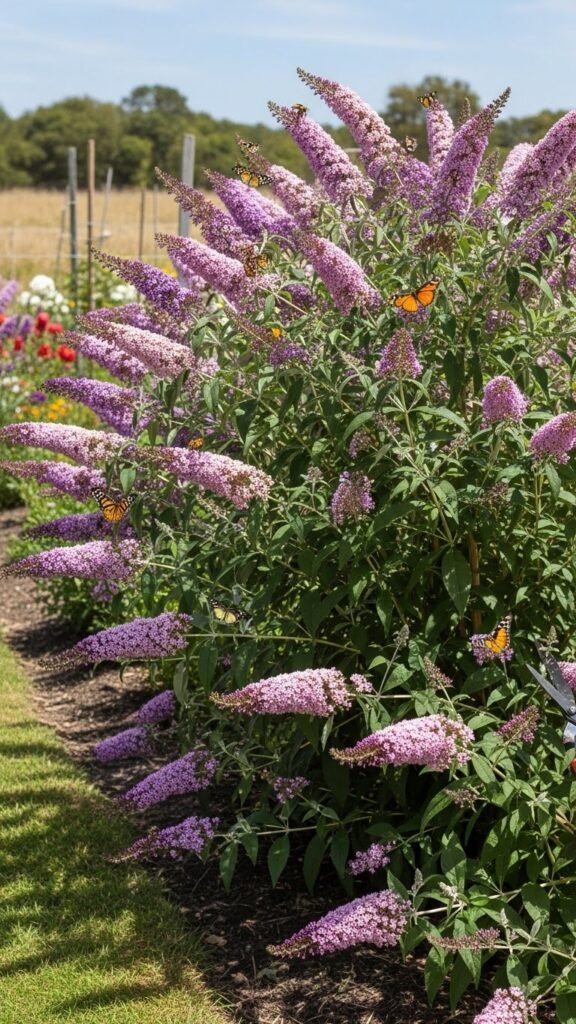
Frequently found humming with pollinators, butterfly bush (Buddleja) gives you long, nectar-rich flower spikes that flourish in hot, dry sites and poor soils, making it a reliable midsummer-to-fall focal point.
You’ll use it for bold structure, choose varieties for scent and color, follow pruning timing to encourage rebloom, and place it as a nectar guide in sunny, low-water borders where you want effortless freedom.
Marina Strawberry Tree
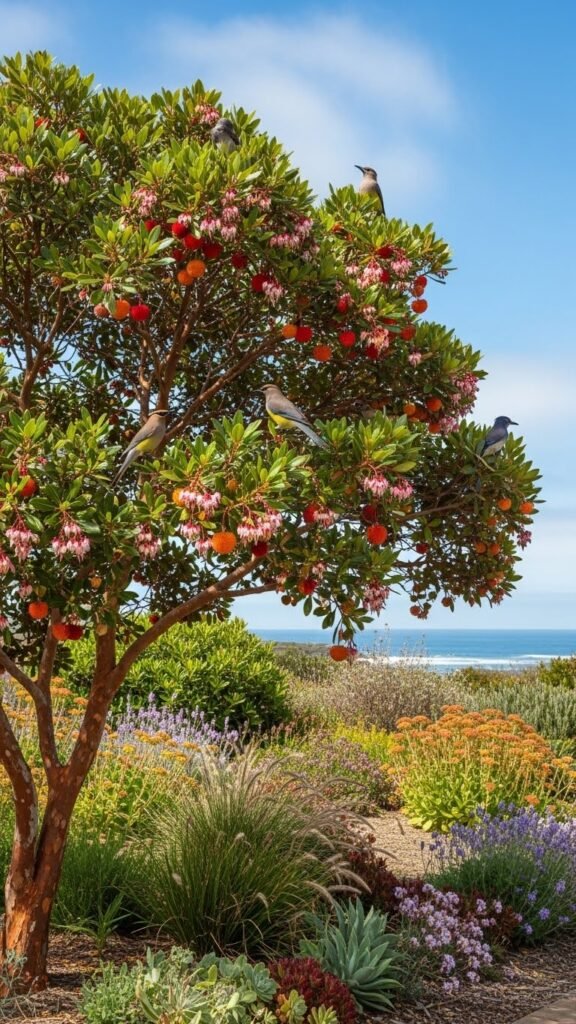
If you liked the butterfly bush for its wildlife value and low-water demands, you’ll appreciate the Marina strawberry tree (Arbutus ‘Marina’) for the same reasons with added year-round structure.
You’ll plant it for coastal landscaping resilience, glossy evergreen foliage, exfoliating bark and clusters of urn flowers that attract pollinators. Prune selectively for form; expect small edible fruiting that birds and you can enjoy without fuss.
Lavender Cotton (Santolina)
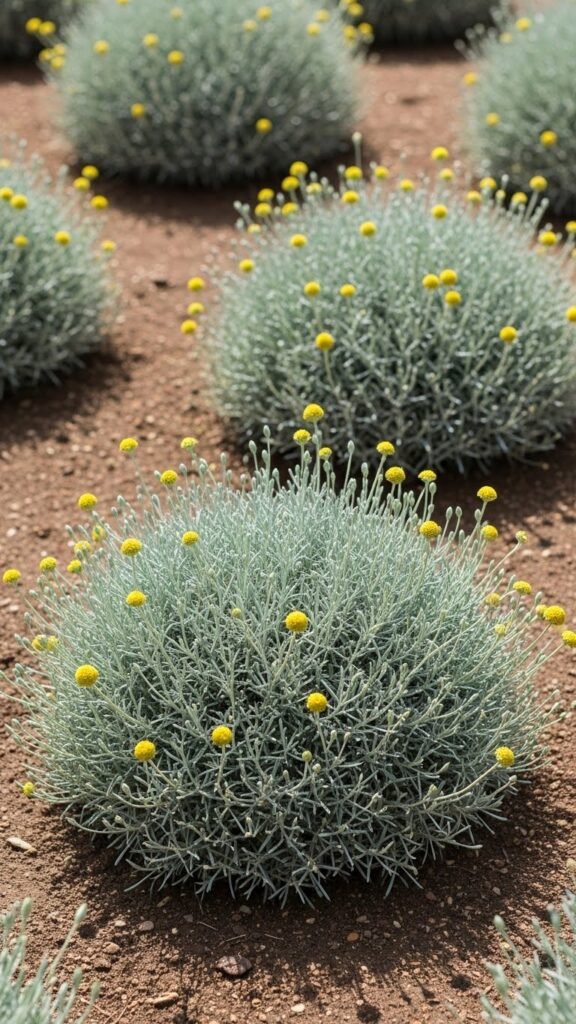
Add Santolina (lavender cotton) where you want low-maintenance structure and silvery contrast: this compact, evergreen shrub forms neat mounds of fine, aromatic foliage and produces tight yellow button blooms that attract pollinators without getting leggy.
You’ll plant it in hot, free-draining soil, trim lightly for shape, and enjoy its drought resilience; minimal care preserves clean lines and carefree, mediterranean style.
Aster (Symphyotrichum)
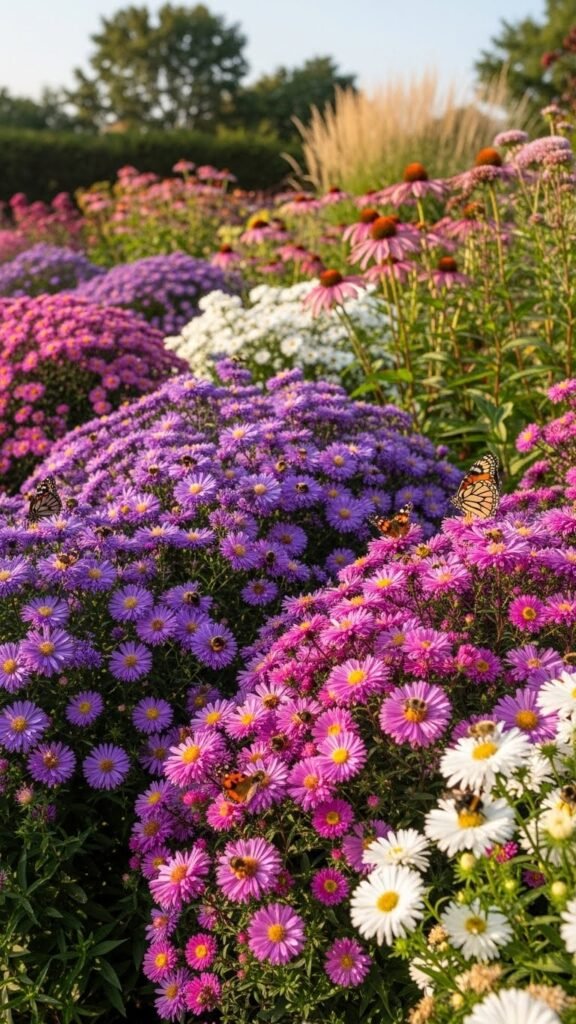
Often overlooked in summer beds, asters (Symphyotrichum) reward you with late-season color and pollinator activity when many other perennials are winding down.
You’ll plant clumps for bold swaths, rely on their drought tolerance, and enjoy reliable fall bloom timing that extends the season.
Their appeal to native pollinators supports resilient gardens, and you can mix sizes for effortless, free-flowing borders.
Beardtongue (Penstemon)

Plant penstemons (beardtongues) where they’ll get sun and fast-draining soil, and you’ll be rewarded with upright spikes of tubular flowers that thrive in dry conditions and attract hummingbirds and bees.
You’ll place them in rock gardens, mass or mix them for structure, and rely on low maintenance. They support native pollinators, tolerate heat, and free you to craft bold, droughtwise designs.
Milkweed (Asclepias)

After enjoying the vertical drama and pollinator magnetism of penstemons, you’ll want milkweeds for steady nectar flow and habitat value. You’ll plant Asclepias in sunny, well-drained beds where monarch habitat thrives.
Choose species with low soil specificity to free your design — swamp milkweed for damp spots, showier blends for dry slopes. Prune after seed set to keep tidy, vigorous patches.
Blanket Flower (Gaillardia)

A handful of Gaillardia cultivars will bring long-lasting, sun-loving color to dry beds and slopes, and they’ll reward you with nonstop blooms from late spring into fall.
You’ll choose hybrid varieties for extended color and vigor, place plants in full sun, use gritty soil, and practice minimal flower care. Their bold form suits free, informal borders and low-maintenance pollinator pockets.
Lavender
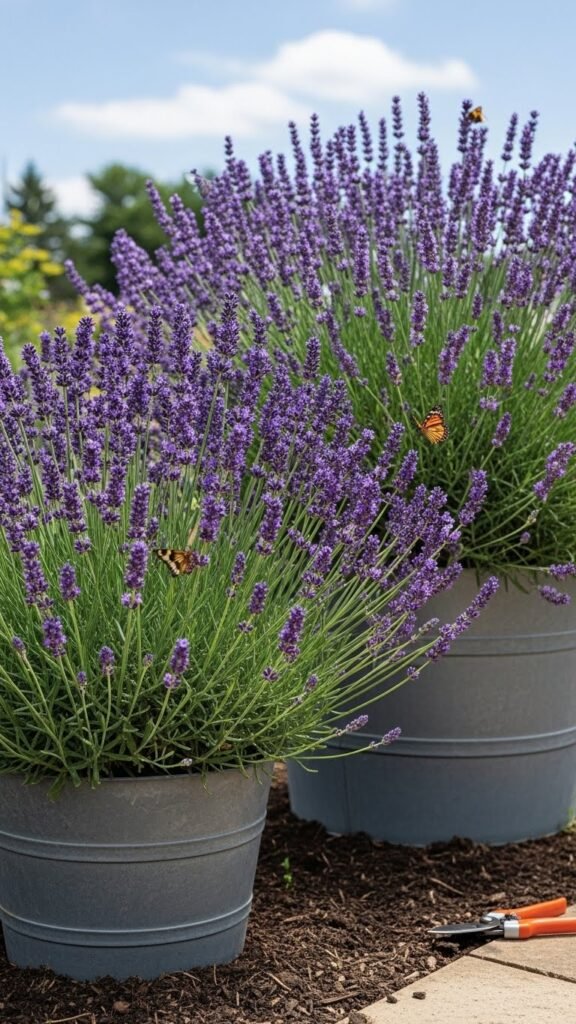
If you loved the gaillardia’s sun-soaked color and low fuss, lavender offers a similarly bold, drought-tolerant option with a more formal shape and calming scent.
You’ll plant it in poor, well-drained soil, prune for airflow, and harvest blooms for culinary uses. It creates structured borders, fragrant containers, and reliable pollinator habitat, giving you low-maintenance beauty and freedom to travel without worry.