
You can bring a fragrant garden into your home with 24 herbs that release clear, pleasant scents—citrus, floral, camphor, or minty—when you touch, crush, or warm their leaves. I’ll focus on varieties that fit pots and bright windows, note any toxicity or allergy risks, and give simple care tips to keep aromas strong. Start with a few hardy choices, and you’ll soon know which scents suit your space and routine.
Lavender (Munstead, Hidcote and Other Dwarf Varieties)
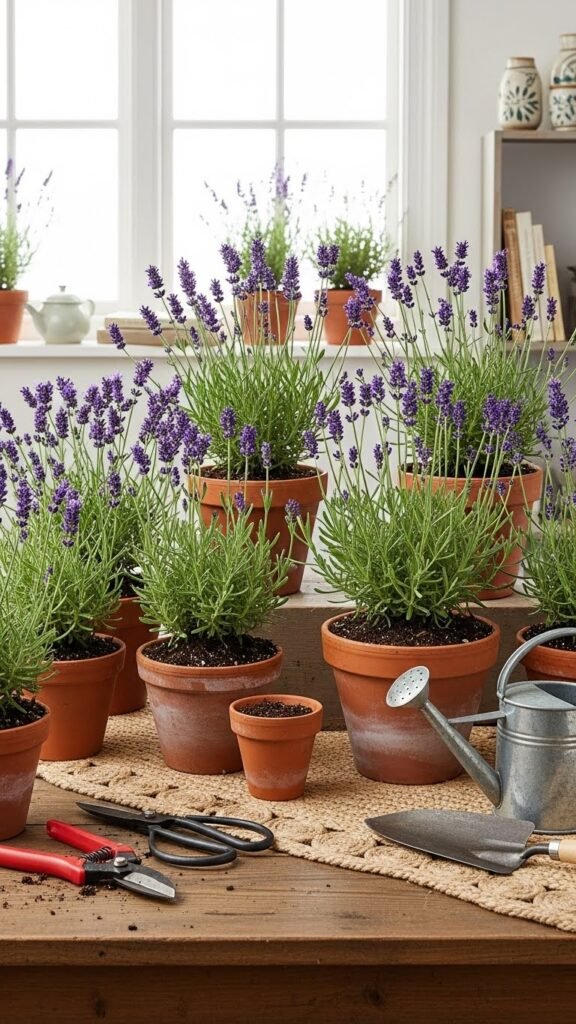
Lavender varieties like Munstead and Hidcote often thrive indoors when you give them bright light, good air circulation, and a gritty, well-draining mix that mimics their native soils.
You’ll follow evidence-based care: monitor potting mix moisture, schedule dwarf pruning to shape plants, and track flowering timing to boost aroma intensity.
Handle soil and trims safely to avoid mold and irritation.
Rosemary
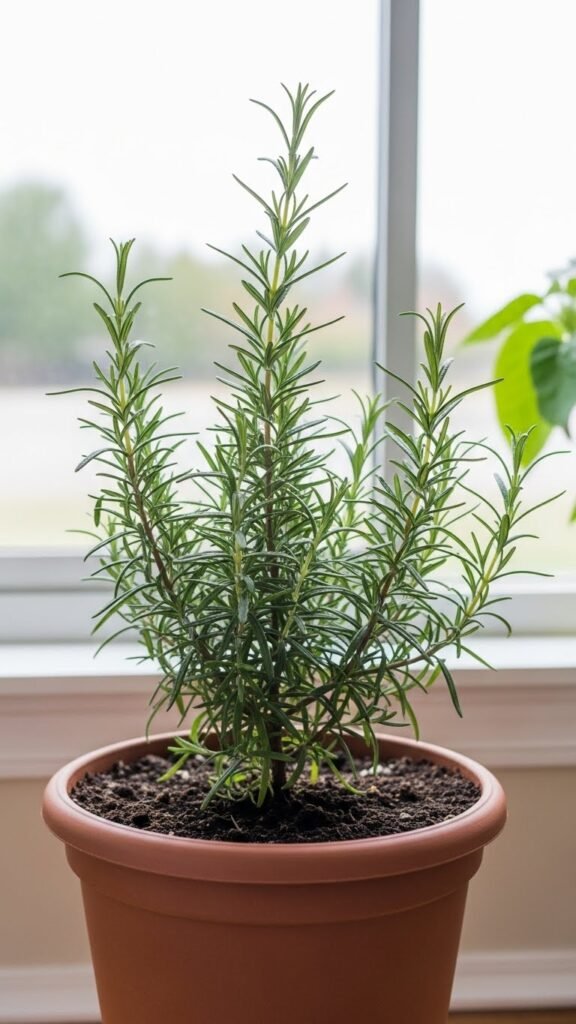
Bring a pot of rosemary inside and you’ll notice its sharp, piney scent and needle-like leaves respond quickly to light and airflow; grown indoors, rosemary needs bright, direct sun (at least 6 hours), brisk air circulation, and a freely draining, slightly alkaline mix to stay healthy.
You’ll manage watering schedule, container soil, indoor humidity, pruning techniques, companion plants and pest management with confident, safety-minded care.
Thyme
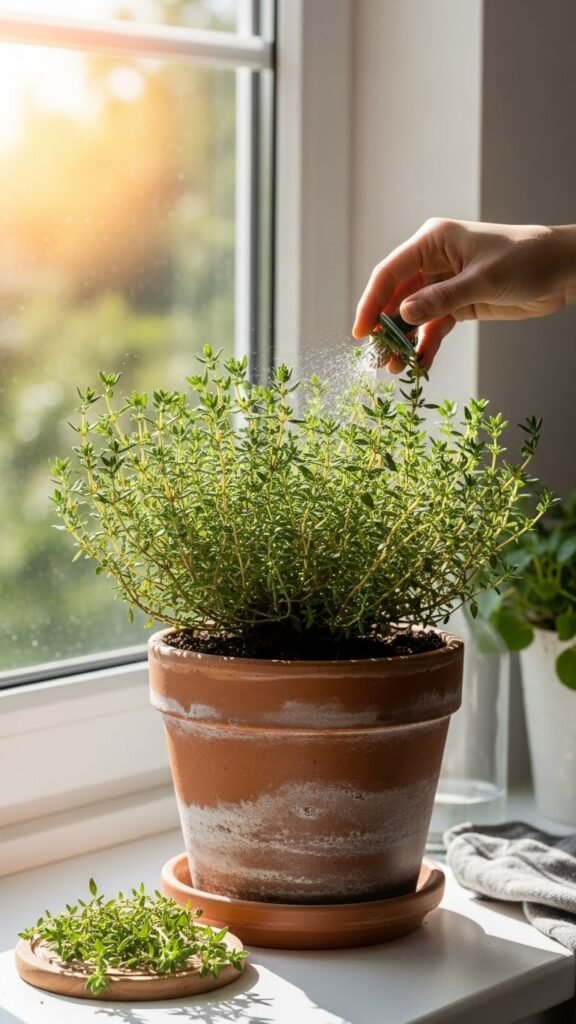
Tuck a pot of thyme on a sunny sill and you’ll quickly notice its low, woody stems and small, aromatic leaves that release a warm, slightly peppery scent when brushed; grown indoors, thyme prefers at least 5–6 hours of direct light, excellent drainage, and moderate airflow to prevent fungal issues.
Snip sprigs for culinary pairing, note medicinal uses cautiously, and avoid overwatering to keep scent and health robust.
Mint (Spearmint, Peppermint)
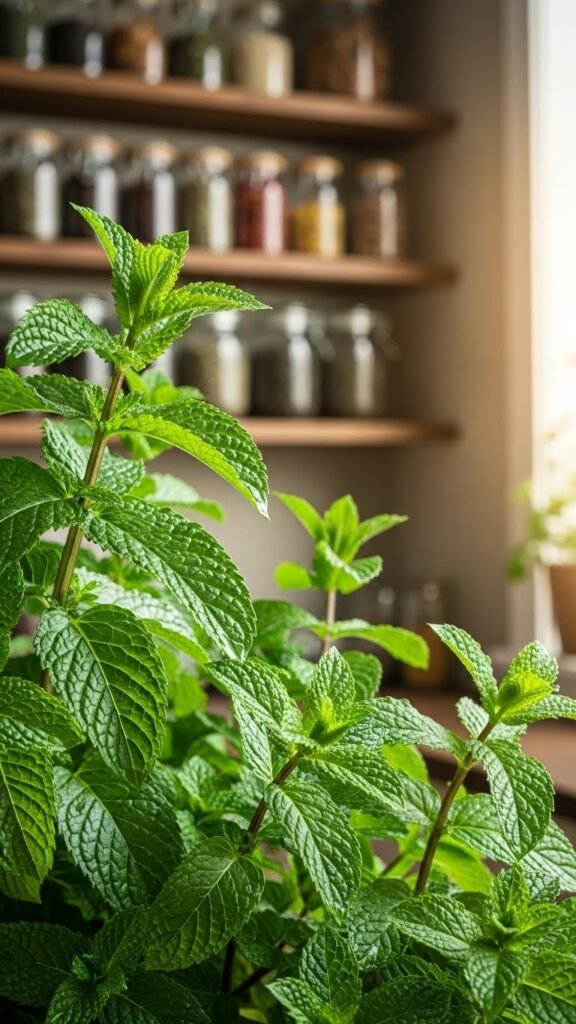
Mint shoots up with an unmistakable cool, bright aroma—spearmint’s sweet, fruity notes and peppermint’s sharp menthol bite—that you’ll notice as soon as you brush its serrated leaves.
You’ll find growing spearmint and peppermint in container varieties restrains spread, aids companion planting, and supports safe essential oil extraction at home. Harvest for tea blends, but label plants and avoid ingestion if pregnant or medicated.
Eucalyptus (Small Container-Suitable Varieties)
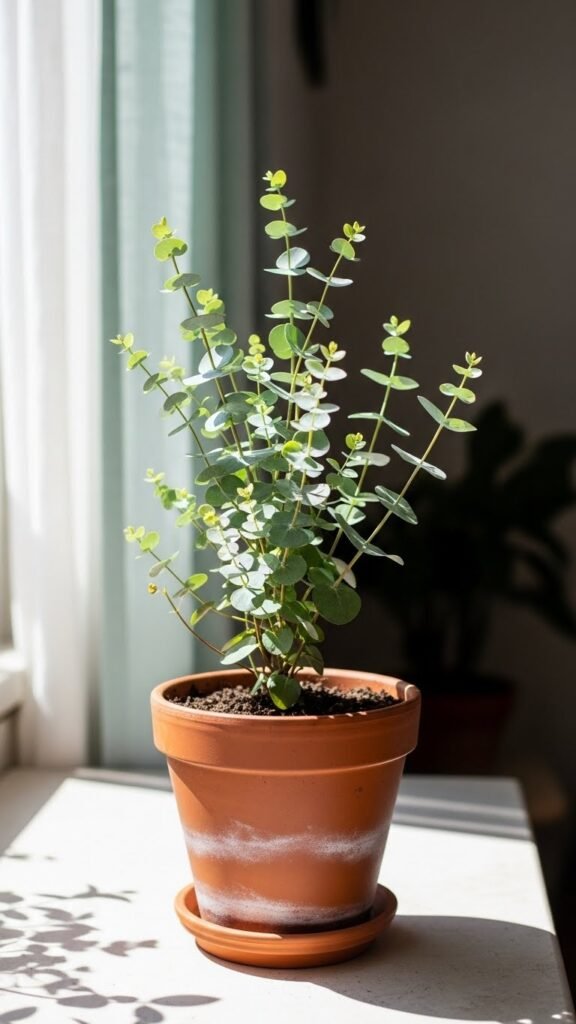
Often overlooked for indoor growing, dwarf eucalyptus varieties like Eucalyptus gunnii ‘Azur’ and E. pulverulenta ‘Baby Blue’ can thrive in containers if you control light, humidity, and pruning.
You’ll enjoy crisp, menthol aroma from compact eucalyptus while monitoring oil exposure—keep leaves away from pets and kids.
For urban eucalyptus living, provide bright light, good drainage, and regular airflow to prevent mold and stress.
Basil (Neapolitan and Other Culinary Types)
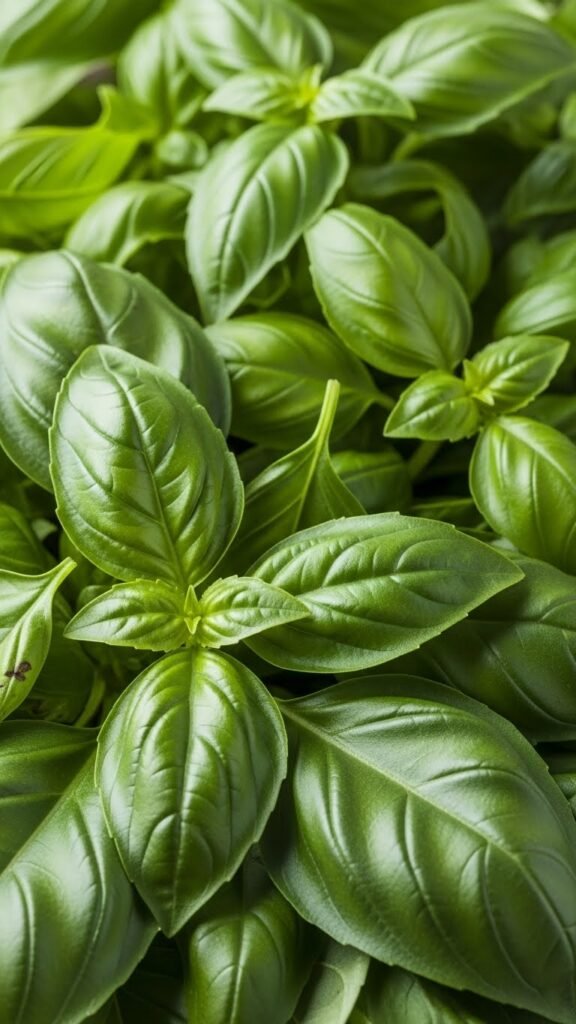
Grow basil where it gets at least 6–8 hours of bright light and good air circulation, and you’ll be rewarded with glossy leaves, a pungent sweet-anise aroma, and rapid regrowth after harvesting.
You’ll learn precise watering, pinch back regularly to prevent bolting, and use basil for companion planting. Taste guides and flavor pairing charts help you confidently blend fresh leaves while avoiding pesticide residue for safe indoor use.
Lemon Balm
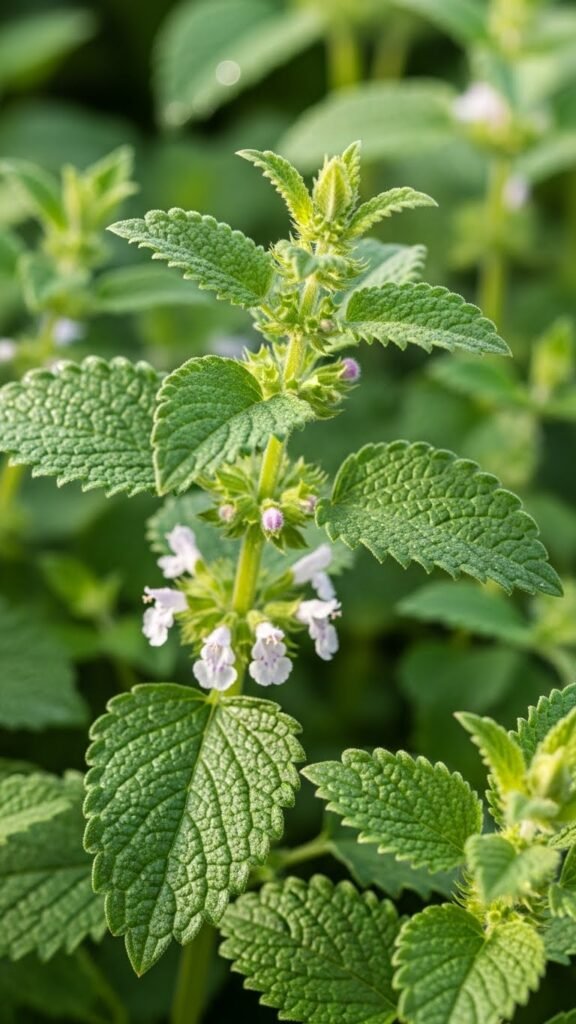
With its bright lemon-scented leaves and a vigorous, bushy habit, lemon balm gives you a reliable, calming herb for windowsill gardens and herbal teas.
You’ll notice citrusy, minty aroma when you crush a leaf.
Evidence suggests mild anxiolytic effects; use cautiously with medications.
Respect container folklore about vigorous spread—prune and choose pots.
Try simple culinary pairing with berries or yogurt.
Sage (Common and Culinary Varieties)
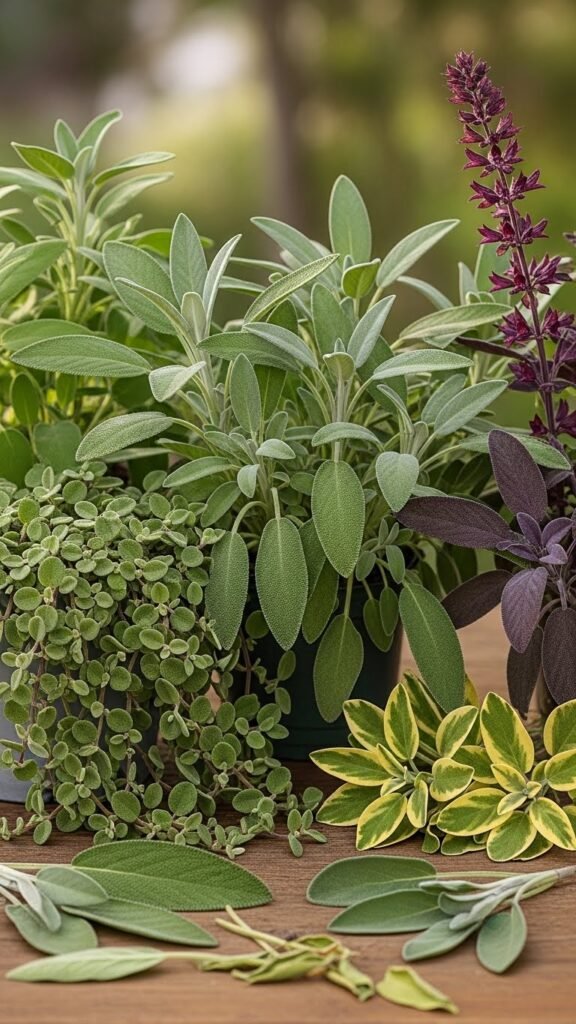
If you enjoyed lemon balm’s bright citrus notes, sage brings a sturdier, woodier scent and a different set of uses for your windowsill garden. You’ll notice leathery leaves and savory aroma; studies show volatile oils vary by variety.
Respect sage folklore but follow evidence: watch humidity, guarantee airflow, and observe pruning timing to promote growth. Don’t ingest medicinal doses without professional guidance.
Oregano
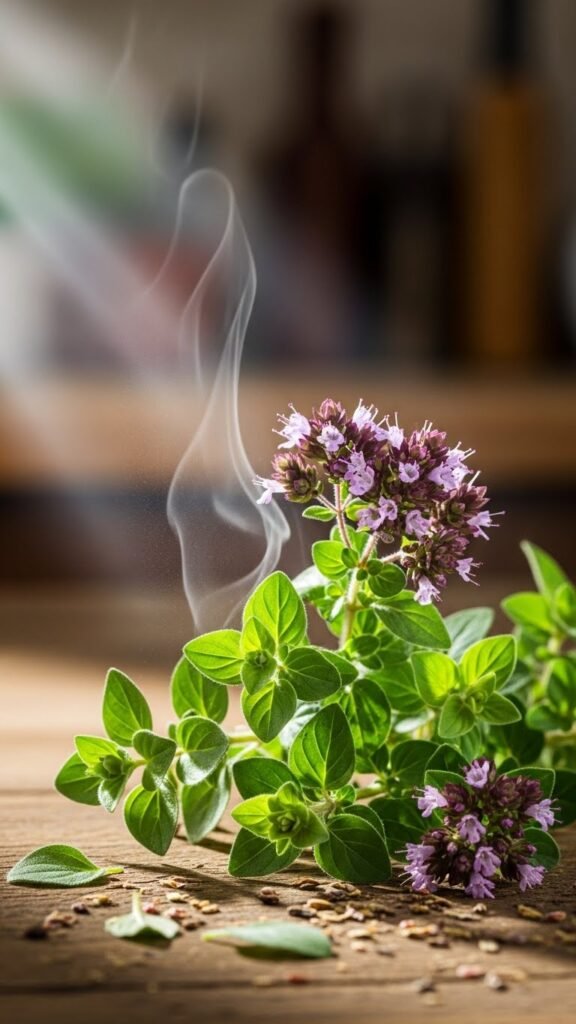
Snip a sprig and you’ll notice oregano’s warm, camphor-like aroma that concentrates as leaves dry, reflecting high levels of phenolic oils like carvacrol and thymol documented in chemical analyses.
You can grow container oregano or choose ornamental oregano for scent and looks. Smell guides use, but test skin sensitivity, avoid inhalation overload, and ventilate—enjoy fragrant freedom while staying safe and evidence-minded.
Marjoram
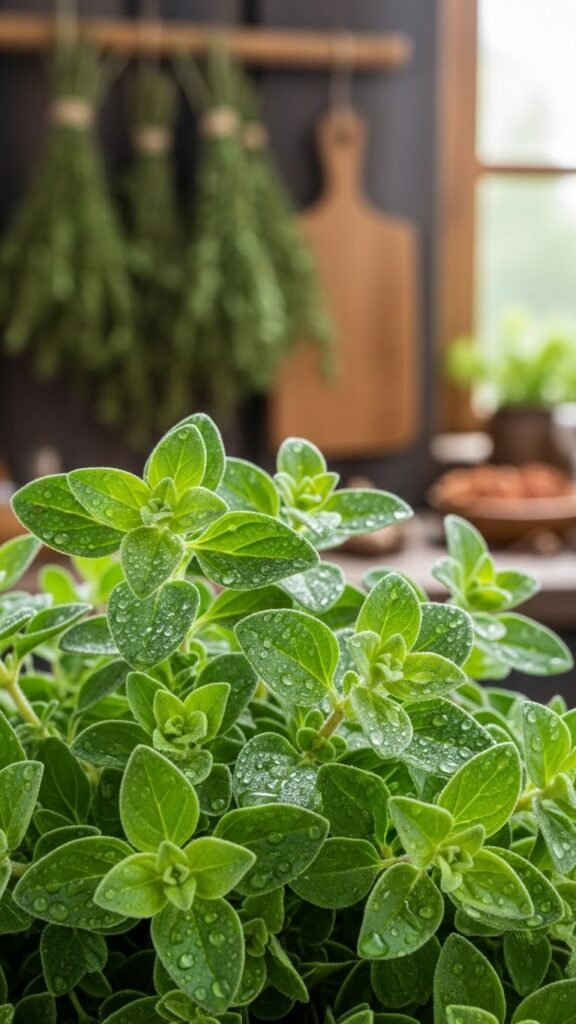
Marjoram offers a sweet, piney aroma with floral undertones that softens when leaves are crushed or dried, reflecting its rich linalool and terpene profile shown in phytochemical studies. You’ll enjoy its warm scent and culinary history, but you’ll also practice container pruning and light ventilation to preserve fragrance and reduce mold. Use small amounts, test skin sensitivity, and store leaves properly for safety.
Bergamot (Monarda)

Though it’s often called bergamot for its citrusy aroma, Monarda offers a more complex scent profile—bright, minty, and slightly floral—that’s backed by studies showing high concentrations of thymol, carvacrol, and various terpenes; you’ll notice its leaves release a lively, tangy fragrance when brushed or crushed.
For bergamot propagation, choose divisions or seed from trusted monarda varieties, monitor humidity, and avoid overcrowding to reduce mildew risk.
Lemon Verbena

Because lemon verbena gives off an unmistakable bright, citrus aroma when you rub its narrow leaves between your fingers, it’s a top choice for indoor herb gardens where scent matters as much as flavor.
You’ll enjoy its air purifying qualities and verified calming scent; use leaves sparingly in tea or desserts for proven culinary uses.
Keep pets safe and monitor skin sensitivity.
Chamomile

Plant chamomile where you can easily harvest its delicate, daisy-like flowers—when steeped they release a mild apple‑like scent and proven calming compounds like apigenin that support relaxation. You’ll grow organic chamomile to scent a room, sip safe, low‑dose infusions, and add blooms to mindful sleep rituals.
Test for allergies, avoid mixing medicines, and label jars so you stay free and safe.
Bay Laurel
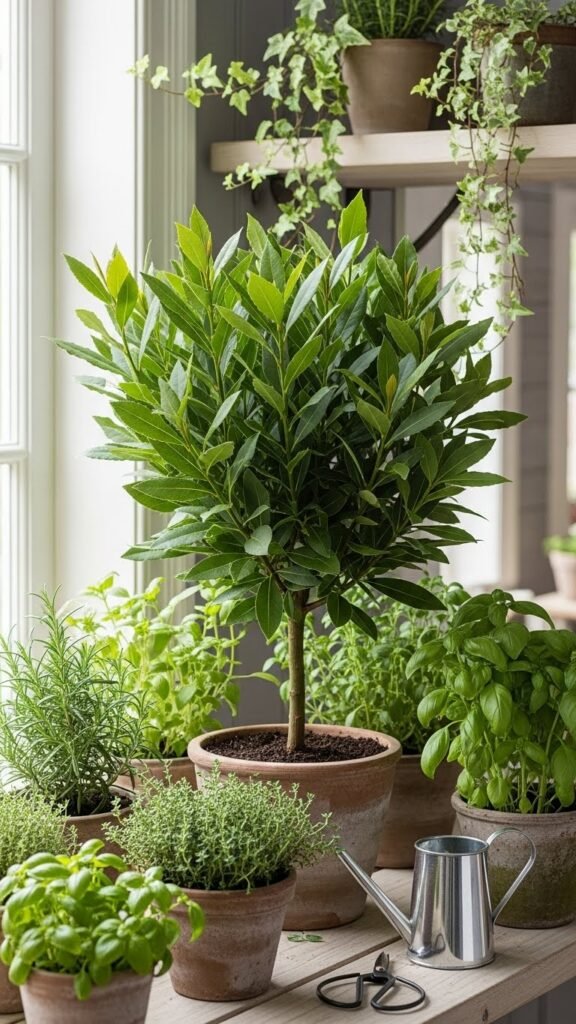
Bay laurel’s glossy, lance-shaped leaves release a warm, slightly piney aroma when you crush them, making them a staple for indoor herb gardens and kitchen windowsills. You’ll appreciate evidence-based fragrance profiles showing linalool and cineole notes.
Respect leaf symbolism in culinary rituals, practice careful container pruning to control size, and avoid ingesting large quantities — safety-conscious handling preserves freedom to enjoy scent and flavor.
Tarragon
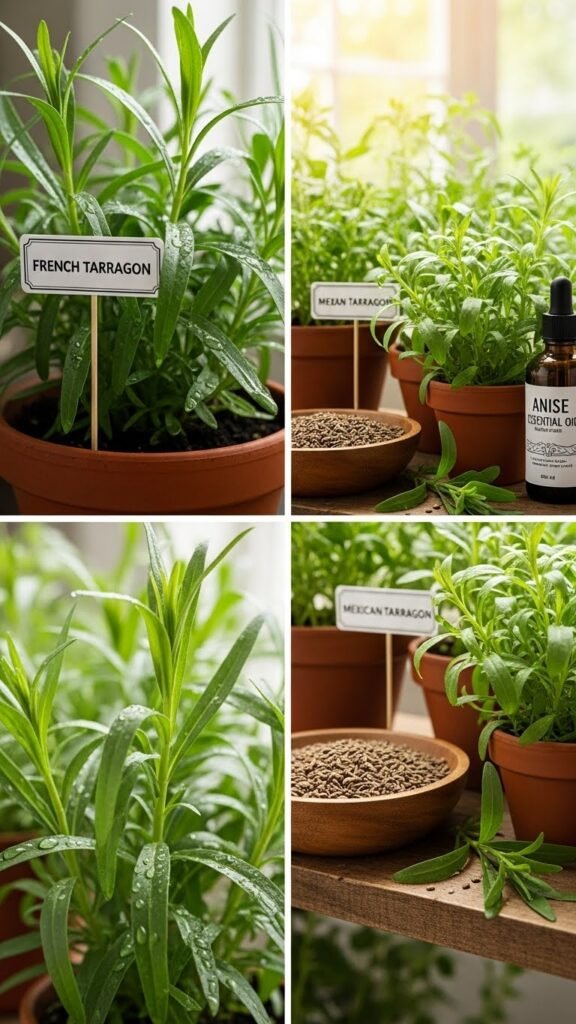
Though often subtle, tarragon’s anise-like scent and bittersweet leaf flavor make it a distinctive companion for indoor herb gardens and kitchen use.
You can grow French tarragon for classic culinary uses or Mexican tarragon for a resilient, peppery alternative.
Smell and taste guide harvest timing; wash leaves before eating.
Note possible allergies and consult sources if pregnant or medicated.
Catnip
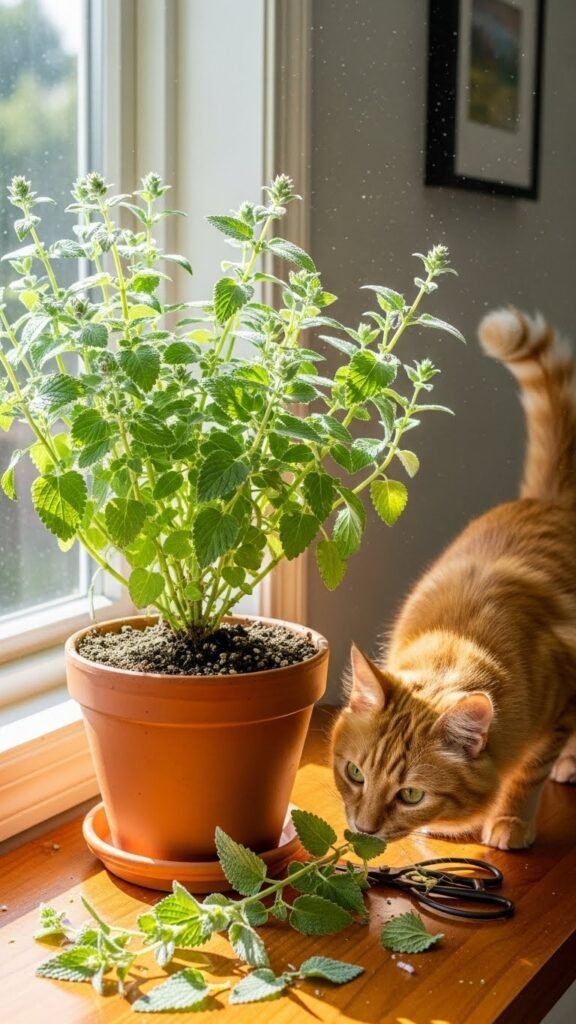
How will you know when your indoor catnip is thriving? You’ll see dense, fragrant foliage and sturdy stems — signs backed by research linking robust growth to essential oil production.
Snip leaves for scent without stripping the plant; this supports catnip cultivation and safe, measured feline enrichment.
Keep soil well-drained, light bright, and monitor pets’ interactions to maintain both aroma and safety indoors.
Stevia
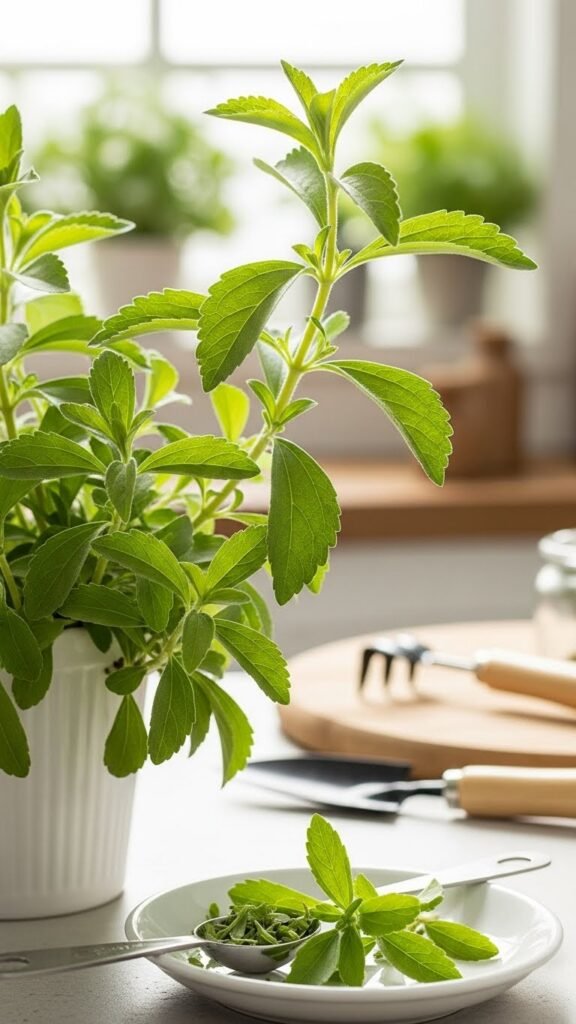
Grow stevia in bright, indirect light and you’ll notice its glossy, serrated leaves developing a sweet, slightly licorice aroma when crushed — a sensory sign that the steviol glycosides responsible for intense sweetness are accumulating.
You can harvest safely for a calorie free sweetener, follow stevia cultivation tips for drought-tolerant vigor, use as a gentle natural insect repellent, and explore stevia culinary uses with measured dosing.
Lemon Thyme
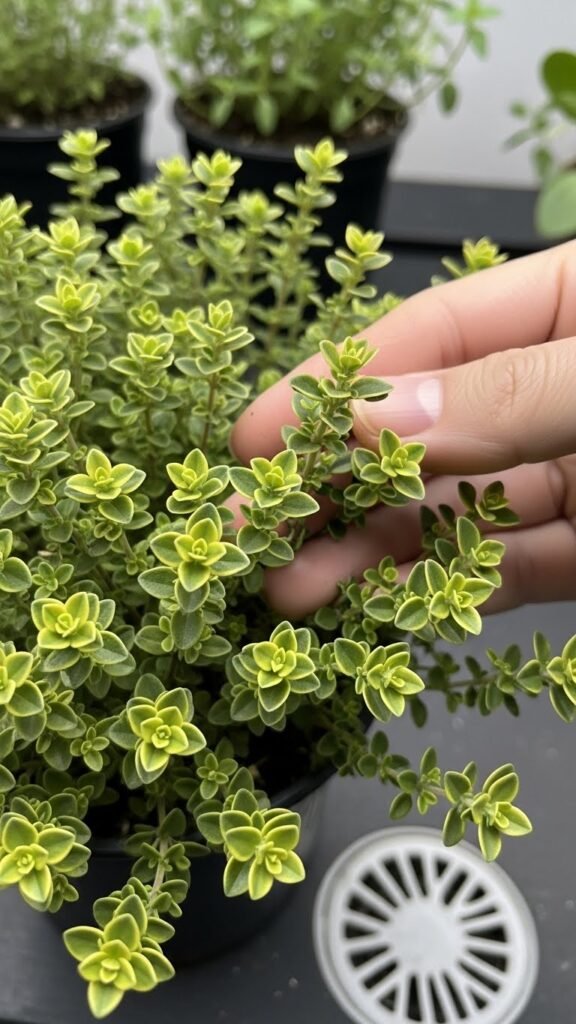
Lemon thyme offers a bright, citrusy fragrance and compact habit that makes it ideal for indoor herb gardens; when you rub its tiny, velvety leaves you’ll smell a sharp lemon top note layered over warm, savory thyme — an aromatic cue that the essential oils are present.
You’ll note leaf shape differences for pruning, choose container pairing for drainage, and avoid ingesting unknown varieties.
Scented Geranium (Pelargonium)
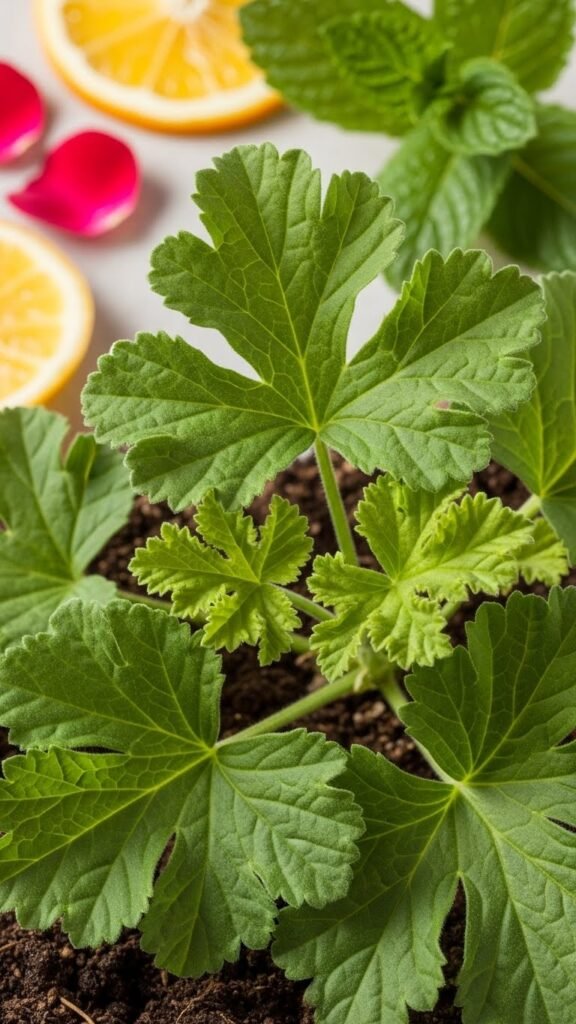
Reach for a scented geranium and you’ll immediately notice its fragrant foliage — leaves that release distinct citrus, rose, or minty notes when lightly crushed, thanks to concentrated essential oils studies have identified in Pelargonium species.
You’ll appreciate varied leaf texture among hybrid varieties; sniff, rub gently, and test skin patch-wise to avoid irritation.
Grow in bright light, well-draining soil for reliable scent.
Sweet Cicely

Sweet cicely (Myrrhis odorata) brings anise-scented, fern-like foliage that releases a sweet licorice aroma when crushed, thanks to its volatile oils identified in phytochemical analyses. You’ll enjoy fresh, subtle scent indoors; learn culinary uses like sweetening desserts and easing digestion, but test for sensitivities. Note documented folklore associations and handle with care—keep children and pets supervised to avoid accidental ingestion